
Bulbous Nose Rhinoplasty: Techniques Surgeons Use to Refine the Nasal Tip
A bulbous nasal tip is one of the most frequent concerns among rhinoplasty patients—and one of the most misunderstood. Unlike […]
Dental implants are often considered the gold standard for replacing missing teeth. They are durable, stable, and natural-looking. However, not […]
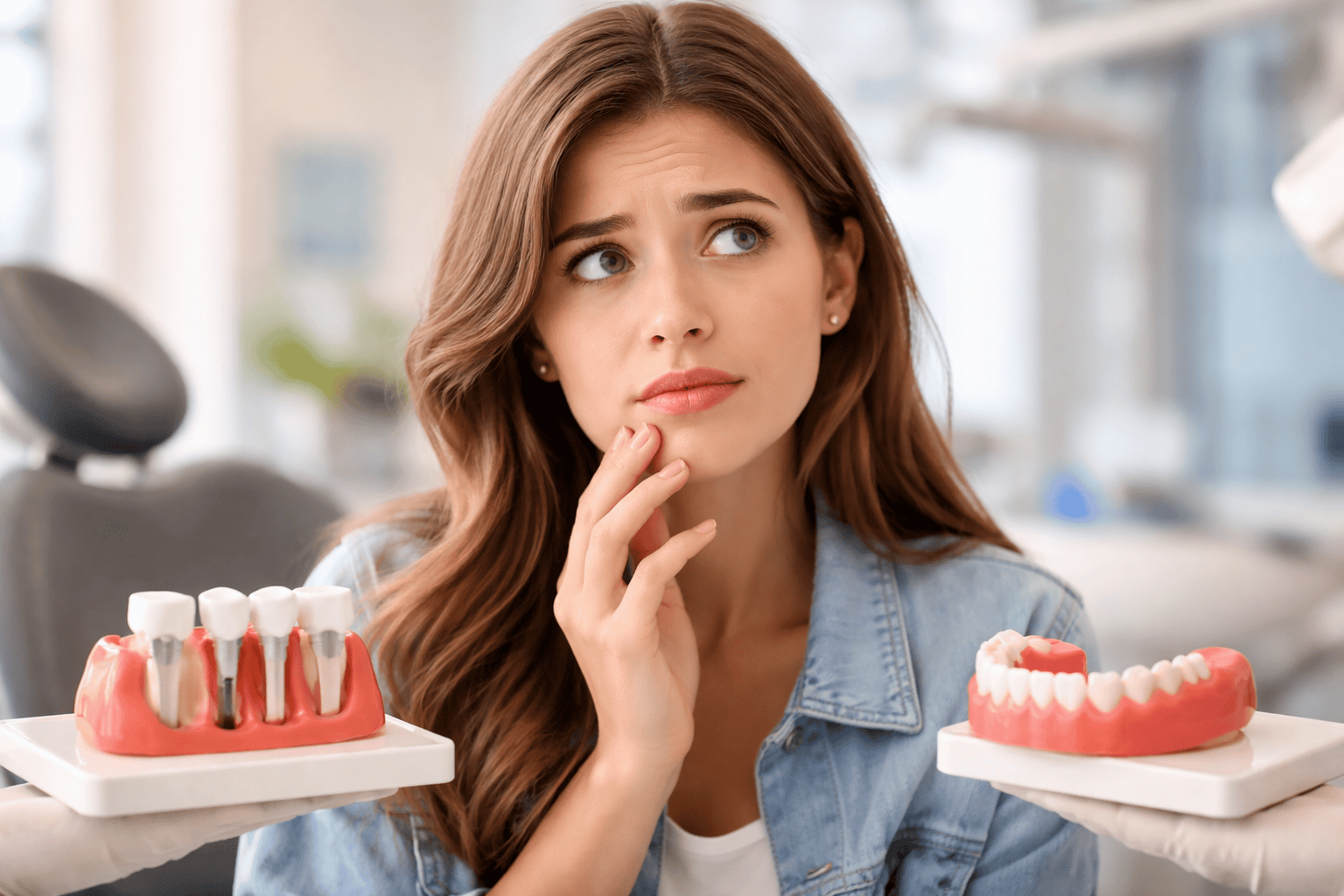
Dental implants are often considered the gold standard for replacing missing teeth. They are durable, stable, and natural-looking. However, not everyone is an ideal candidate for implants. Some patients may have insufficient bone density, certain medical conditions, or simply prefer a more affordable or non-surgical option.
If you’re wondering, “What can I get instead of dental implants?” — this comprehensive guide explains the 7 best alternatives to dental implants, including their pros, cons, and cost considerations.
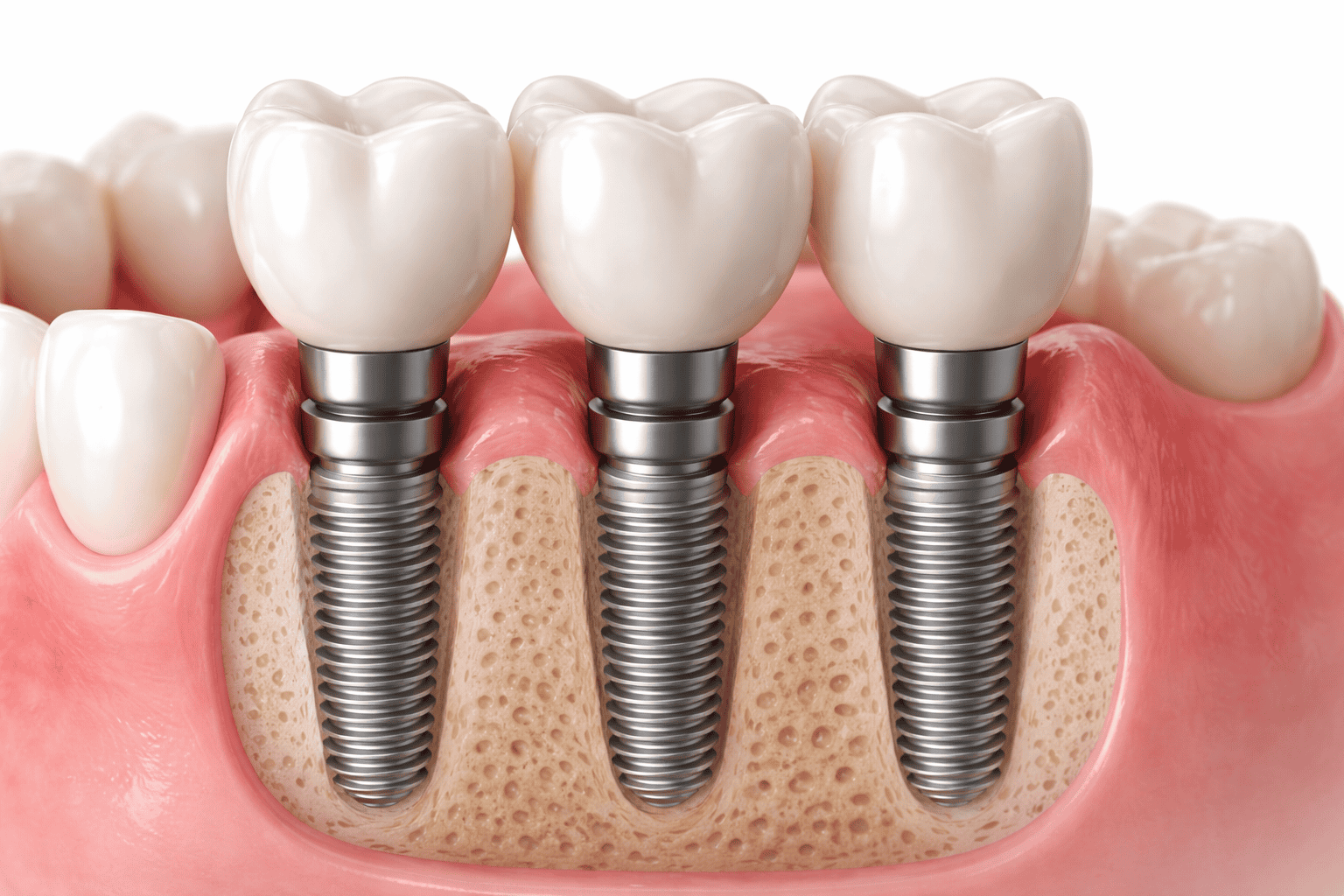
While dental implants have a high success rate (over 90–95% in healthy individuals) (Albrektsson et al., 1986; Esposito et al., 2010), they may not be suitable for everyone due to:
Bone loss in the jaw
Chronic health conditions (e.g., uncontrolled diabetes)
Smoking
High cost
Fear of surgery
Long treatment duration
Fortunately, several effective alternatives exist.
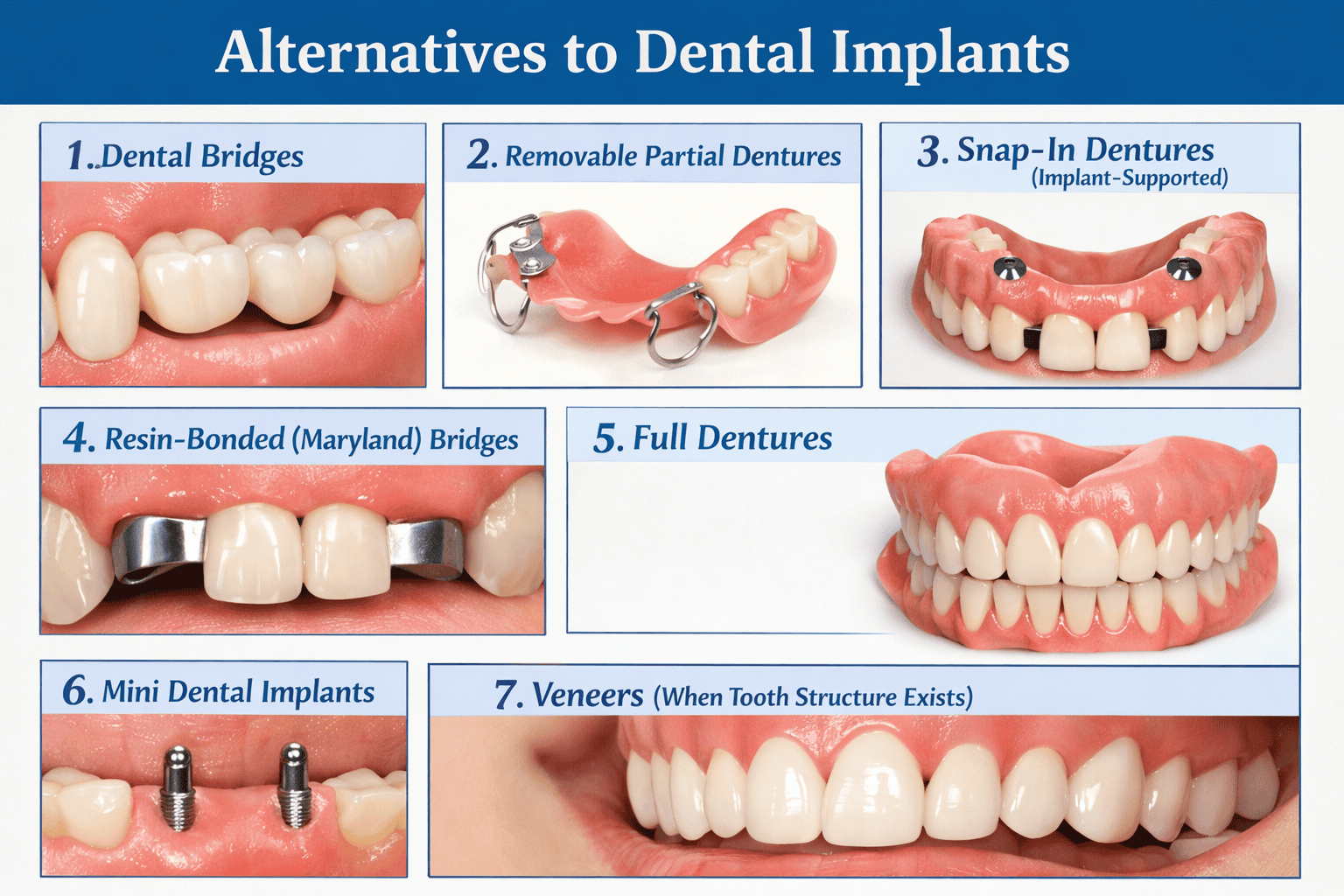
A dental bridge replaces a missing tooth by anchoring a prosthetic tooth to adjacent natural teeth.
✔ More affordable than implants
✔ Faster treatment (1–2 weeks)
✔ No surgery required
✘ Requires reshaping healthy neighboring teeth
✘ Does not prevent bone loss
✘ Typically lasts 10–15 years
| Treatment | USA | Turkey | UAE |
|---|---|---|---|
| Dental Implant | $3,000–$5,000 | $600–$1,200 | $1,800–$3,500 |
| Dental Bridge | $1,500–$3,000 | $300–$800 | $1,000–$2,000 |
Bridges are often 40–60% cheaper than implants.
A removable appliance replacing one or multiple missing teeth.
✔ Most affordable option
✔ Non-invasive
✔ Easily adjustable
✘ Less stable
✘ May affect speech initially
✘ Requires daily removal
$500–$2,000 depending on materials and country.
A middle-ground option using fewer implants to stabilize dentures.
Approximately 30–50% less expensive than full-arch implant restoration.
Ideal for patients seeking improved stability without the cost of full implants.
Best suited for front teeth with minimal bite pressure.
Generally 20–40% less than traditional bridges.
Recommended for patients missing all teeth in one arch.
| Country | Average Cost |
|---|---|
| USA | $1,000–$3,000 per arch |
| Turkey | $400–$900 |
| UAE | $1,200–$2,500 |
Full dentures are significantly cheaper than full-mouth implants.
Smaller implants requiring less bone density.
Usually 20–30% less expensive than traditional implants.
Shorter healing time but not suitable for all bite forces.
Veneers are often misunderstood as an alternative to implants. They are not a replacement for missing teeth, but they can be an alternative when:
The tooth is present but damaged
The issue is cosmetic
A smile makeover is desired
One of the most common questions patients ask is:
“Should I get dental implants or veneers?”
The answer depends entirely on whether the problem is functional (missing tooth) or cosmetic (appearance issue).
Although both treatments improve your smile, they serve completely different purposes.
Dental implants are designed to replace a missing tooth entirely, including the root. A titanium post is surgically placed into the jawbone, and a crown is attached on top. This restores both function and appearance.
Implants are recommended when:
A tooth is completely missing
A tooth must be extracted
There is severe structural damage
Clinical studies show implant survival rates above 90–95% over 10–15 years in healthy patients (Esposito et al., 2010).
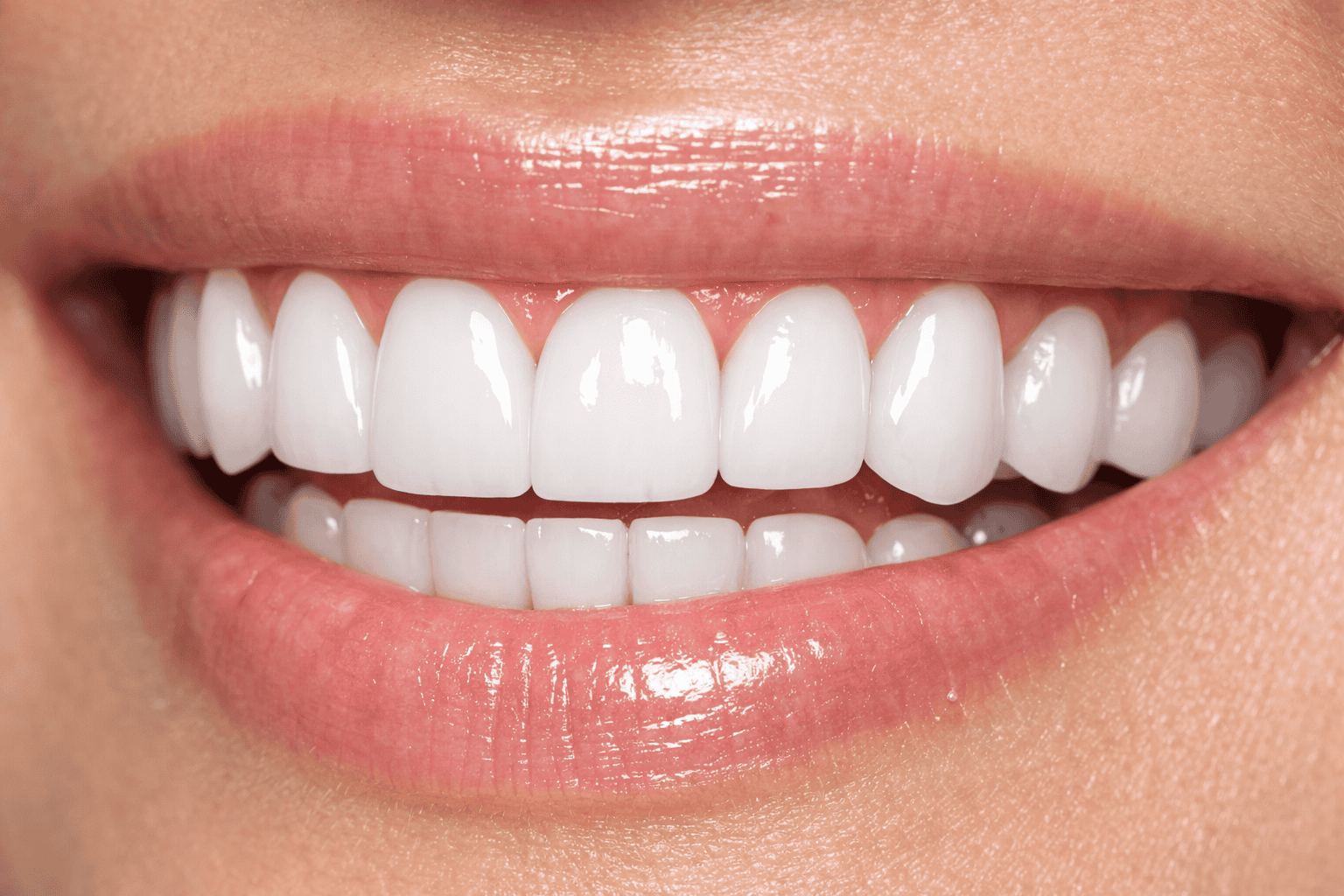
Veneers are thin shells (usually porcelain or composite) bonded to the front surface of existing teeth. They do not replace missing teeth — they improve the appearance of teeth that are:
Discolored
Chipped
Slightly misaligned
Worn down
Uneven in shape
Veneers are ideal for cosmetic smile transformations but cannot restore chewing function if the tooth is absent.
| Treatment | Surgery Required? |
|---|---|
| Dental Implants | ✔ Yes |
| Veneers | ✘ No |
Implants involve minor oral surgery and a healing period (osseointegration) of several months.
Veneers are minimally invasive and usually completed within 1–2 visits.
For patients who want to avoid surgery, veneers may feel less intimidating — but only if the natural tooth structure remains intact.
This is where implants have a major advantage.
When a tooth is lost, the jawbone begins to shrink due to lack of stimulation. Dental implants help preserve bone because they function like natural tooth roots.
Research confirms that implant placement significantly reduces bone resorption compared to leaving a gap untreated (Albrektsson et al., 1986).
Veneers do not influence bone levels because the natural tooth root remains in place. If a tooth is missing, veneers cannot prevent bone loss.
Dental Implants: 15–25+ years (often lifelong with proper care)
Porcelain Veneers: 10–15 years
Composite Veneers: 5–7 years
Implants are generally more durable under heavy bite forces. Veneers, while strong, are primarily cosmetic restorations.
Dental implants are typically more expensive upfront due to surgery, materials, and lab work.
However, veneers may need replacement sooner, which can increase long-term cost.
In medical tourism destinations (Turkey, UAE, Iran), implants may cost significantly less than in Western countries, making them more accessible.
| Treatment | USA | Turkey | UAE |
|---|---|---|---|
| Dental Implant | $3,000–$5,000 | $600–$1,200 | $1,800–$3,500 |
| Porcelain Veneer | $800–$2,500 | $250–$600 | $700–$1,500 |
Veneers may be preferable when:
The tooth is present but cosmetically flawed
The patient wants a fast smile makeover
The issue is color or shape, not structure
Budget or time constraints exist
Implants are necessary when:
A tooth is completely missing
There is severe root damage
A bridge is not ideal
Long-term structural stability is required
Veneers cannot replace a missing tooth.
Most prosthodontists agree:
If the tooth root is healthy → consider veneers.
If the tooth is missing → implants or bridges are required.
If bone loss is present → bone grafting or mini implants may be needed.
Treatment planning should always involve radiographic imaging and professional consultation.
| Factor | Dental Implants | Veneers |
|---|---|---|
| Replace missing tooth | ✔ Yes | ✘ No |
| Improve color & shape | ✔ Yes (with crown) | ✔ Yes |
| Preserve bone | ✔ Yes | ✘ No |
| Surgery required | ✔ Yes | ✘ No |
| Longevity | Very high | Moderate |
| Best for | Missing teeth | Cosmetic enhancement |
If your tooth is missing, veneers are not an alternative — they cannot restore function.
If your tooth is present but aesthetically imperfect, veneers may provide a faster and less invasive solution.
The decision should be based on:
Clinical examination
Bone condition
Bite alignment
Long-term goals
Budget
A personalized consultation with a qualified dental specialist is essential.
Patients increasingly travel to countries like Turkey, UAE, and Iran for dental care due to:
Lower treatment costs
Accredited dental clinics
Experienced prosthodontists
Modern technology
Cost differences can exceed 60–70% compared to Western markets.
Choosing between dental implants and veneers is only part of the process. The most important factor in achieving long-lasting, safe results is selecting an experienced dental specialist.
Implant placement typically requires advanced training in oral surgery or prosthodontics, while veneer treatments demand precision in cosmetic and restorative dentistry. A proper evaluation often includes digital imaging, bone density assessment, and a customized treatment plan tailored to your oral health condition.
If you’re exploring treatment options in different countries, comparing verified professionals can help you make a more confident decision. On Tabeebo, you can browse qualified dental specialists across destinations such as Turkey, the UAE, and Iran, review their profiles, specialties, and clinic details, and choose the option that aligns with your medical and budget needs.
👉 You can explore available dental specialists here.
Whether you are considering implants, veneers, bridges, or other restorative solutions, consulting with a certified dentist is the safest way to determine the right treatment plan for your smile.
Dental implants remain the most comprehensive solution for missing teeth, but they are not the only option.
Bridges, dentures, mini implants, and veneers all have roles depending on:
Clinical condition
Budget
Cosmetic goals
Bone health
Treatment timeline
The best choice is always personalized and should be made after professional consultation and radiographic evaluation.
A bulbous nasal tip is one of the most frequent concerns among rhinoplasty patients—and one of the most misunderstood. Unlike […]

An upturned nose, often referred to as a celestial nose, is one of the most recognizable and debated nasal shapes […]

The Roman nose—also known as the aquiline nose—is one of the most recognizable and historically significant nose shapes. Characterized by […]

A fleshy nose is one of the most misunderstood nose types in facial aesthetics. Many people with this nasal structure […]

The Greek nose is one of the most recognizable and historically admired nose shapes in the world. Often associated with […]

A crooked nose is one of the most common facial concerns seen in both cosmetic and functional rhinoplasty consultations. While […]
Summary
