Introduction
In the past decade, the Middle East has witnessed a massive rise in fertility tourism. Countries like Turkey, Iran, and the United Arab Emirates (UAE) have emerged as some of the most trusted and rapidly growing destinations for couples seeking in vitro fertilization (IVF).
While Europe and the U.S. remain well-known for fertility care, patients increasingly choose the Middle East for cost efficiency, high success rates, advanced embryology labs, modern regulations, shorter waiting times, and experienced infertility specialists.
In this article, we explore why IVF in Turkey, Iran, and the UAE is becoming a global trend — and why the region may shape the future of reproductive medicine.
1. Advanced Medical Expertise and Internationally Trained Specialists
A major driver of Middle Eastern IVF growth is the presence of highly trained reproductive endocrinologists and embryologists. Many specialists in these countries have completed fellowships in:
-
The United Kingdom
-
Germany
-
Australia
-
United States
-
Canada
Turkey stands out with over 150 IVF centers staffed by internationally board-certified experts.
Iran has a long history of reproductive medicine, being one of the first nations in the region to legalize and embrace IVF in the 1990s.
The UAE, particularly Dubai and Abu Dhabi, attracts global doctors due to strong healthcare investment and state-of-the-art fertility facilities.
Why this matters for patients:
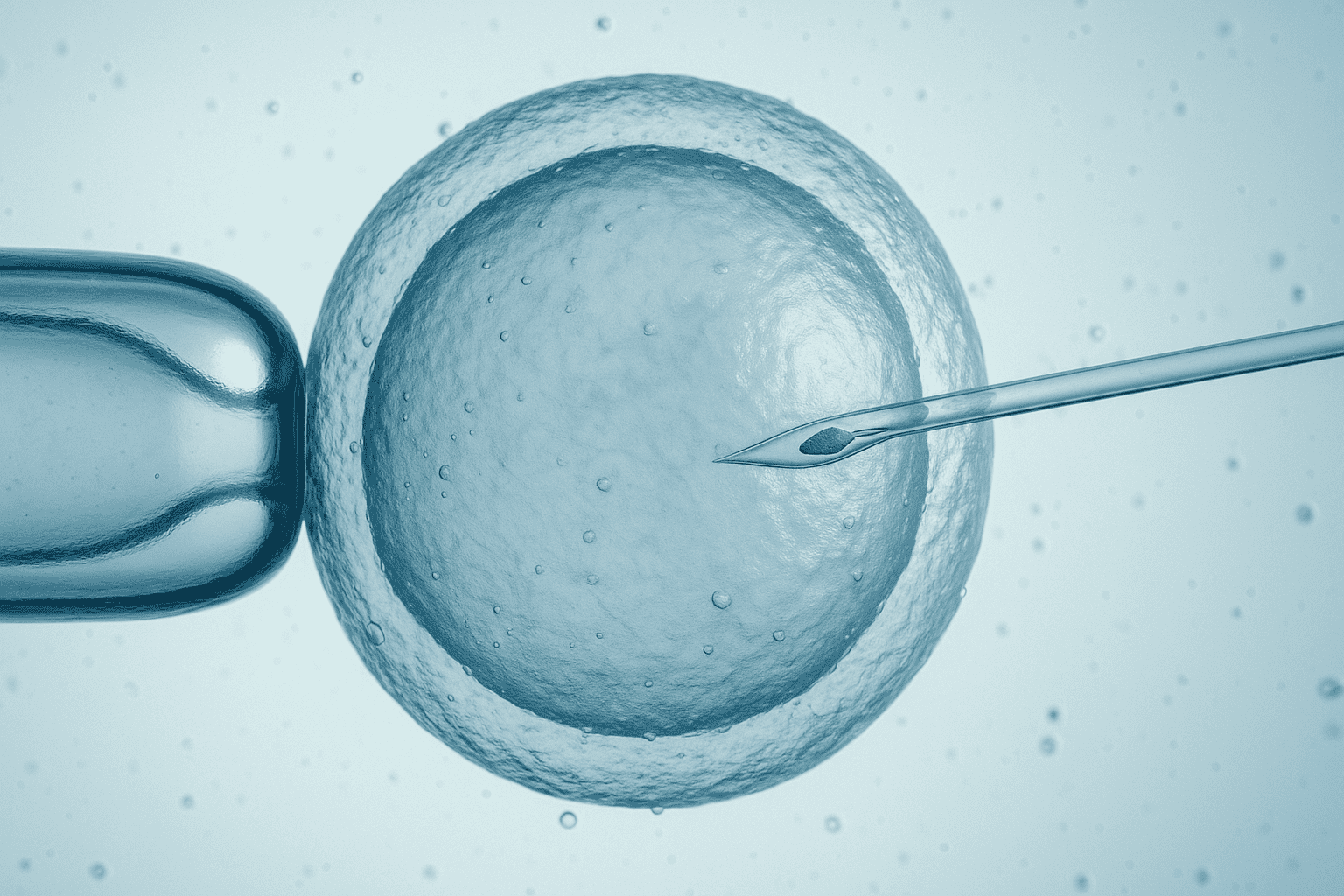
Experienced specialists increase success rates and reduce risks associated with embryo transfer, egg retrieval, and ICSI (Intracytoplasmic Sperm Injection).
External authority reference:
ASRM – American Society for Reproductive Medicine offers global benchmarks that many Middle Eastern clinics follow.
2. Significantly Higher IVF Success Rates Compared to Global Averages
Success rates are a core deciding factor for international patients. Clinics in Turkey, Iran, and the UAE have achieved competitive — and often higher — success rates due to:
-
High lab quality
-
Better embryo culture techniques
-
Adoption of new technologies (e.g., blastocyst culture, PGT-A testing)
-
Embryologists trained abroad
-
Use of advanced incubators and AI-assisted embryo selection
Estimated success rates (varies per clinic):
-
Turkey: 50–65% per cycle
-
Iran: 45–60% per cycle
-
UAE: 50–70% per cycle
Compared to the global average of ~40–50% for women under 35, these results make the Middle East a competitive IVF destination.
External authority reference:
CDC IVF Success Rate Reports
3. More Affordable IVF Treatment (Without Compromising Quality)
IVF is extremely expensive in Western countries.
Average cycle costs:
-
USA: $15,000–$25,000 per cycle
-
UK: £6,000–£10,000 per cycle (not including medications)
Meanwhile, Middle Eastern countries offer world-class IVF at a fraction of the cost:
Average IVF Cost Comparison (2025 Estimates)
| Country | Average IVF Cost |
|---|---|
| Turkey | $2,800–$5,000 |
| Iran | $1,500–$3,000 |
| UAE | $4,500–$7,000 |
Iran and Turkey, in particular, attract thousands of patients annually due to price transparency and competitive medical packages.
Why prices are lower:
-
Favorable currency exchange
-
Government support for fertility programs
-
Lower clinical overheads
-
High treatment volume reduces per-cycle cost
4. Strong Legal Framework & Patient-Friendly Fertility Regulations
Unlike many Western countries, where rules are restrictive, the Middle East offers more flexible fertility laws — especially for married couples.
Turkey: Known for clear, structured regulations
-
Egg freezing allowed (with medical and non-medical indications)
-
High-quality laboratory standards
-
Strict screening and patient safety guidelines
Iran: Progressive fertility laws
Iran is known worldwide for its pioneering stance on fertility treatment, including:
-
Legalized egg donation
-
Supported embryo donation
-
Government recognition of fertility centers
This makes Iran one of the most open countries for couples who require advanced reproductive options.
UAE: Rapidly evolving, modern regulatory environment
The UAE has created a balanced system combining:
-
Strict clinical quality regulations
-
Flexible treatment pathways for expatriates
-
Strong oversight of IVF laboratories
Clinical note:
Patients from countries such as Germany, France, Canada, and Italy often choose Middle Eastern IVF because their home countries restrict donor eggs, embryo freezing, or genetic testing.
5. Reduced Waiting Times and Fast Treatment Access
In countries like Canada, UK, or Scandinavia, couples often face waiting lists of 6–18 months for fertility treatment.
In contrast:
-
Turkey: Many clinics offer immediate cycle start
-
Iran: Short waiting times and high treatment capacity
-
UAE: Fast access thanks to private care infrastructure
Fast access increases success chances, especially for women over 35 where timing is critical.
6. Medical Tourism Infrastructure Designed for International Patients
The Middle East has heavily invested in medical tourism, making travel seamless:
-
Airport-to-clinic transportation
-
Multilingual staff
-
IVF coordinators
-
Hotel + treatment packages
-
Modern private hospitals
-
International insurance partnerships
Cities like Istanbul, Tehran, Shiraz, Tabriz, Dubai, Abu Dhabi, and Antalya have become global fertility destinations.
Why this matters:
Stress reduction before IVF improves hormonal balance and increases implantation success.
7. Cultural Comfort, Privacy, and Patient Respect
Many couples from:
-
Middle East
-
North Africa
-
Central Asia
-
Eastern Europe
-
Gulf Countries
prefer seeking IVF in culturally familiar environments.
Reasons include:
-
Language compatibility (Arabic, Persian, Turkish, English)
-
Respect for religious/cultural sensitivities
-
Family-centered care
-
High privacy in clinics
This combination makes IVF treatment emotionally easier for patients.
8. Growing Recognition in International Healthcare Rankings
Turkey, Iran, and the UAE increasingly appear in medical tourism reports and global rankings for reproductive treatment.
Organizations such as:
-
Medical Tourism Association
-
IMTJ (International Medical Travel Journal)
-
Global Clinic Rating
often highlight these countries as high-potential IVF destinations due to innovation, patient satisfaction, and cost efficiency.
9. Tabeebo’s Role in Connecting Patients to Verified Fertility Specialists
Platforms like Tabeebo help patients avoid unverified clinics by offering:
-
Clinic photos and credentials
-
Transparent treatment packages
-
Patient reviews
-
English/Arabic/Persian information
-
Direct appointment booking
This ensures international patients can safely compare fertility specialists in Turkey, Iran, and UAE.
FAQs
1. Is IVF in the Middle East safe?
Yes. Clinics in Turkey, Iran, and the UAE follow international standards (ASRM, ESHRE) for safety, lab quality, and patient care.
2. Which Middle Eastern country has the highest IVF success rate?
Success varies by clinic, but the UAE and Turkey generally report rates comparable to top European centers.
3. Is IVF cheaper in the Middle East compared to Europe or the USA?
Yes — costs are 50–80% lower while maintaining high standards.
4. Do clinics in Turkey, Iran, or the UAE offer donor eggs or PGT?
-
Iran: Yes, both
-
Turkey: PGT allowed; donor egg restrictions apply
-
UAE: Allowed under regulated conditions
5. How long should I stay in the country for IVF?
Most IVF cycles require 10–15 days from stimulation to embryo transfer.
Conclusion
The Middle East — especially Turkey, Iran, and the UAE — is becoming one of the world’s most attractive fertility tourism destinations. With competitive success rates, modern clinics, progressive fertility laws, and affordable pricing, thousands of international patients now choose the region every year for IVF treatment.
For couples seeking safe, modern, and accessible fertility care, the Middle East is no longer an alternative — it’s a global leader.