Perineorrhaphy surgery has become an increasingly recommended procedure for women who experience postpartum perineal trauma, pelvic floor weakness, or discomfort caused by structural changes in the perineal region. While the term may sound clinical, the goal of perineorrhaphy is very human: to restore function, comfort, and confidence.
Whether you’re a patient researching treatment options or a clinician providing pelvic health solutions, understanding who needs perineorrhaphy surgery and how it improves pelvic well-being is essential. This guide explores the procedure in a clear, practical, and medically accurate way.
What Is Perineorrhaphy Surgery?
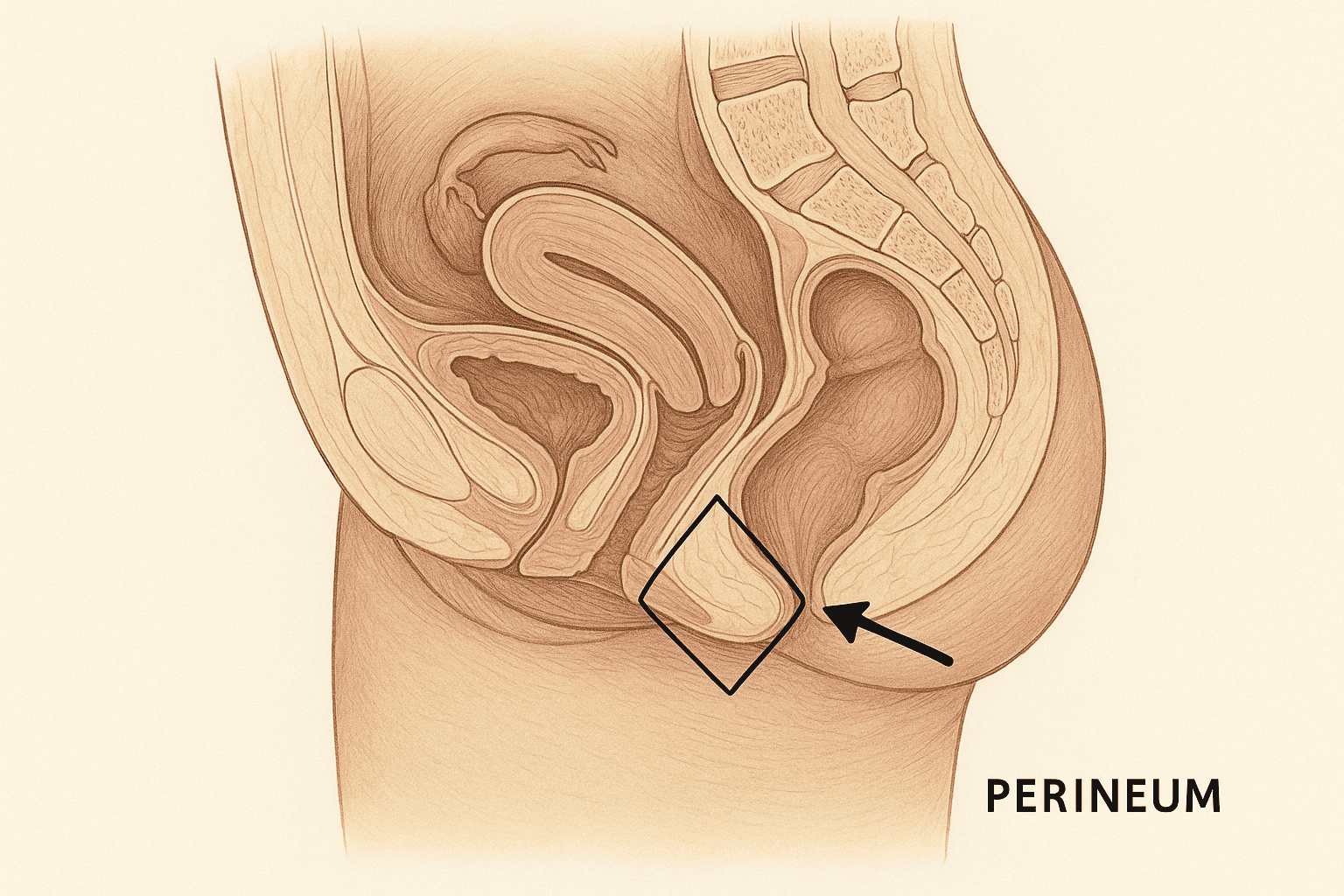
Perineorrhaphy is a surgical repair of the perineum—the area between the vagina and the anus. It is performed to reconstruct or strengthen tissues that have been:
-
Stretched
-
Torn
-
Scarred
-
Damaged during childbirth
-
Weakened due to aging or chronic strain
Unlike perineoplasty (which focuses mostly on cosmetic refinement), perineorrhaphy is primarily functional, targeting:
-
Pelvic floor support
-
Vaginal opening stability
-
Perineal muscle integrity
-
Symptom relief
The result is better pelvic function, reduced discomfort, and improved quality of life.
Who Needs Perineorrhaphy?
Perineorrhaphy is not limited to postpartum women. However, childbirth is the most common cause of perineal damage. You may be a candidate for perineorrhaphy surgery if you experience:
1. Perineal Tearing After Childbirth
Natural childbirth—especially with:
-
Large babies
-
Instrumental delivery (forceps/vacuum)
-
Rapid labor
-
Episiotomy
—can lead to tears that do not fully heal.
Symptoms may include:
-
A widened vaginal opening
-
Persistent perineal discomfort
-
Difficulty during intercourse
-
Scar tissue sensitivity
Perineorrhaphy surgery restores anatomical support by repairing the torn muscles and fascia.
2. Pelvic Floor Weakness
Weakness in pelvic floor muscles can lead to:
-
Vaginal laxity
-
A feeling of “openness”
-
Reduced sexual sensation
-
Mild pelvic organ prolapse
-
Difficulty retaining tampons
Perineorrhaphy improves structural support, enhancing pelvic strength and function.
3. Pain or Discomfort During Intercourse (Dyspareunia)
Improper healing of perineal tissue can cause:
-
Pain
-
Burning
-
Tightness
-
Pinching sensations
Repairing scar tissue and restoring the perineum helps reduce discomfort.
4. A Gaping or Enlarged Vaginal Introitus
Some women experience:
-
Air entrapment (“vaginal wind”)
-
A visible gap in the perineal area
-
Reduced support during physical activity
Perineorrhaphy tightens and reconstructs the area for better stability.
5. Persistent Episiotomy or Tear Scarring
In some cases, scar tissue heals poorly, creating:
-
Lumps
-
Irregular tissue
-
Pain on pressure
-
Cosmetic dissatisfaction
Surgical revision smooths and rebuilds the tissue.
6. Aging-Related Changes
Hormonal shifts and tissue thinning can contribute to perineal laxity even without childbirth. Perineorrhaphy can restore comfort and improve pelvic integrity.
How Perineorrhaphy Improves Pelvic Health
Perineorrhaphy is far more than a cosmetic tightening procedure. Its benefits are functional, anatomical, and psychological.
1. Restores Pelvic Floor Support
Strengthening the perineal body improves the foundation of the pelvic floor. This results in:
-
Better bladder support
-
Improved bowel control
-
Reduced risk of prolapse progression
It helps women regain stability they may have lost after childbirth or aging.
2. Enhances Sexual Function
Many women experience increased satisfaction after perineorrhaphy due to:
-
Improved muscle tone
-
Restored vaginal opening control
-
Reduced pain during intercourse
-
Elimination of scar sensitivity
Reconstruction directly affects both comfort and confidence.
3. Corrects Vaginal Laxity and Gaping
By tightening the perineal opening and rebuilding the supporting muscles, the surgery helps:
-
Reduce unwanted air entry
-
Improve sensation
-
Restore a more natural shape
This directly improves pelvic dynamics.
4. Reduces Chronic Perineal Pain
Removing problematic scar tissue and correcting asymmetry can significantly reduce daily discomfort, especially during sitting, exercise, or sex.
5. Improves Quality of Life
Women often report:
-
Increased confidence
-
No more embarrassment during exercise
-
Better sexual well-being
-
Ability to resume physical activities comfortably
-
A feeling of being “put back together” after childbirth
For many, perineorrhaphy is restorative both physically and emotionally.
What Happens During Perineorrhaphy Surgery?
The procedure typically lasts 30–60 minutes and may be performed under:
-
Local anesthesia
-
Regional anesthesia
-
General anesthesia (less common)
Steps include:
-
Removing or revising scar tissue
-
Re-approximating perineal muscles
-
Tightening the vaginal opening
-
Supporting the pelvic floor fascia
-
Closing the area with absorbable sutures
Most patients go home the same day.
Recovery After Perineorrhaphy
Recovery is generally smooth with proper care.
What to expect:
-
Mild swelling for 1–2 weeks
-
Temporary discomfort (manageable with medication)
-
Return to light activities within a few days
-
Avoid intercourse and strenuous exercise for 6–8 weeks
Full healing usually occurs in 6–12 weeks.
Many women report significant improvement in symptoms within the first month.
If you’re considering perineorrhaphy, consulting a specialist in pelvic floor and postpartum reconstruction is essential. You can explore experienced obstetricians and gynecologists on Tabeebo’s directory.
Frequently Asked Questions (FAQ)
1. Is perineorrhaphy the same as perineoplasty?
No. Perineorrhaphy is primarily functional, focusing on repairing and strengthening the perineal muscles and supporting tissues. Perineoplasty is more cosmetic, aimed at improving the appearance of the vaginal opening and perineum.
2. How long is the recovery period after perineorrhaphy?
Most women return to light activities within a few days. Full healing takes 6–12 weeks, and sexual intercourse should be avoided for at least 6–8 weeks.
3. Does perineorrhaphy improve sexual satisfaction?
Yes. By repairing torn muscles, reducing laxity, and eliminating scar pain, perineorrhaphy often enhances sexual comfort and sensation.
4. Can perineorrhaphy treat prolapse?
Perineorrhaphy helps support the pelvic floor, but it does not fully correct moderate or severe pelvic organ prolapse. Additional pelvic floor surgery may be needed depending on the severity.
5. Is perineorrhaphy only for women who have given birth?
No. While childbirth is the most common cause of perineal damage, aging, hormonal changes, or trauma may also lead someone to need perineorrhaphy.
6. What are the risks of perineorrhaphy surgery?
Risks are minimal but may include:
-
Temporary swelling or discomfort
-
Infection (rare)
-
Painful scar tissue (preventable with proper technique and care)
-
Over-tightening (correctable)
Choosing an experienced gynecologic surgeon reduces complication risks significantly.
-
References
-
Abdool Z, Thakar R, Sultan AH. “Postpartum perineal muscles: clinical relevance and management.” International Urogynecology Journal.
-
American Urogynecologic Society (AUGS). “Pelvic floor dysfunction and reconstructive surgery recommendations.”
-
Cleveland Clinic. “Perineorrhaphy and pelvic floor repair information.”
-
Journal of Obstetrics and Gynecology Research. Studies on perineal repair outcomes.
-