A crooked nose is one of the most common facial concerns seen in both cosmetic and functional rhinoplasty consultations. While some people are born with a nasal asymmetry, others develop a crooked nose over time due to injury, breathing problems, or structural changes within the nose. Beyond appearance, a crooked nose can also affect nasal airflow, breathing quality, and overall facial harmony.
In this comprehensive guide, we explore what causes a crooked nose, the different types of nasal deviation, and the most effective rhinoplasty techniques used to correct it. Whether your concern is cosmetic, medical, or both, understanding the anatomy and available solutions is the first step toward making an informed decision.
What Is a Crooked Nose?
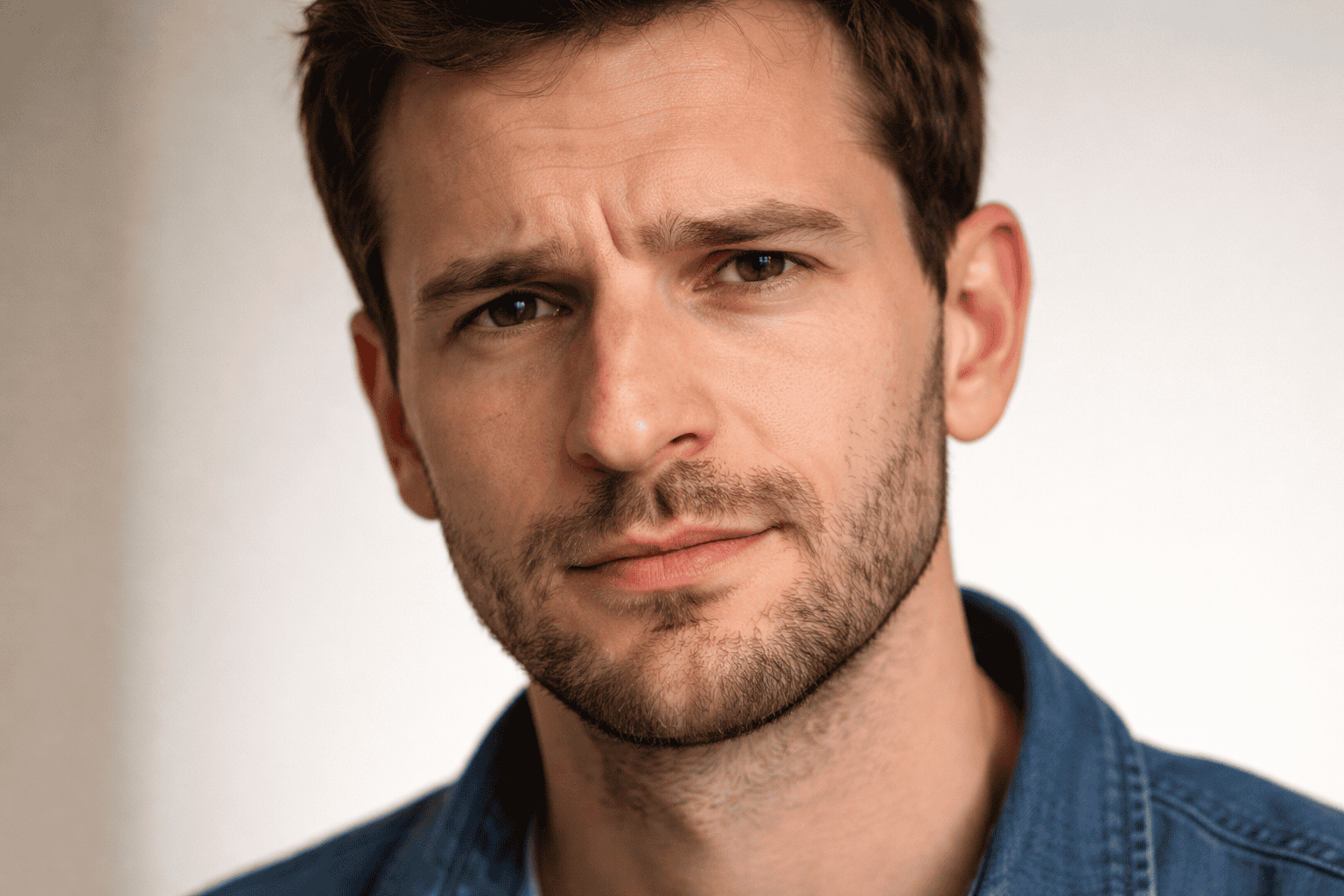
A crooked nose refers to a nose that appears visibly off-center or asymmetrical when viewed from the front. Instead of forming a straight vertical line down the middle of the face, the nasal bridge or tip deviates to one side or follows a curved path.
It is important to note that no human face is perfectly symmetrical. However, when nasal deviation is noticeable enough to affect appearance or breathing, it is considered clinically significant.
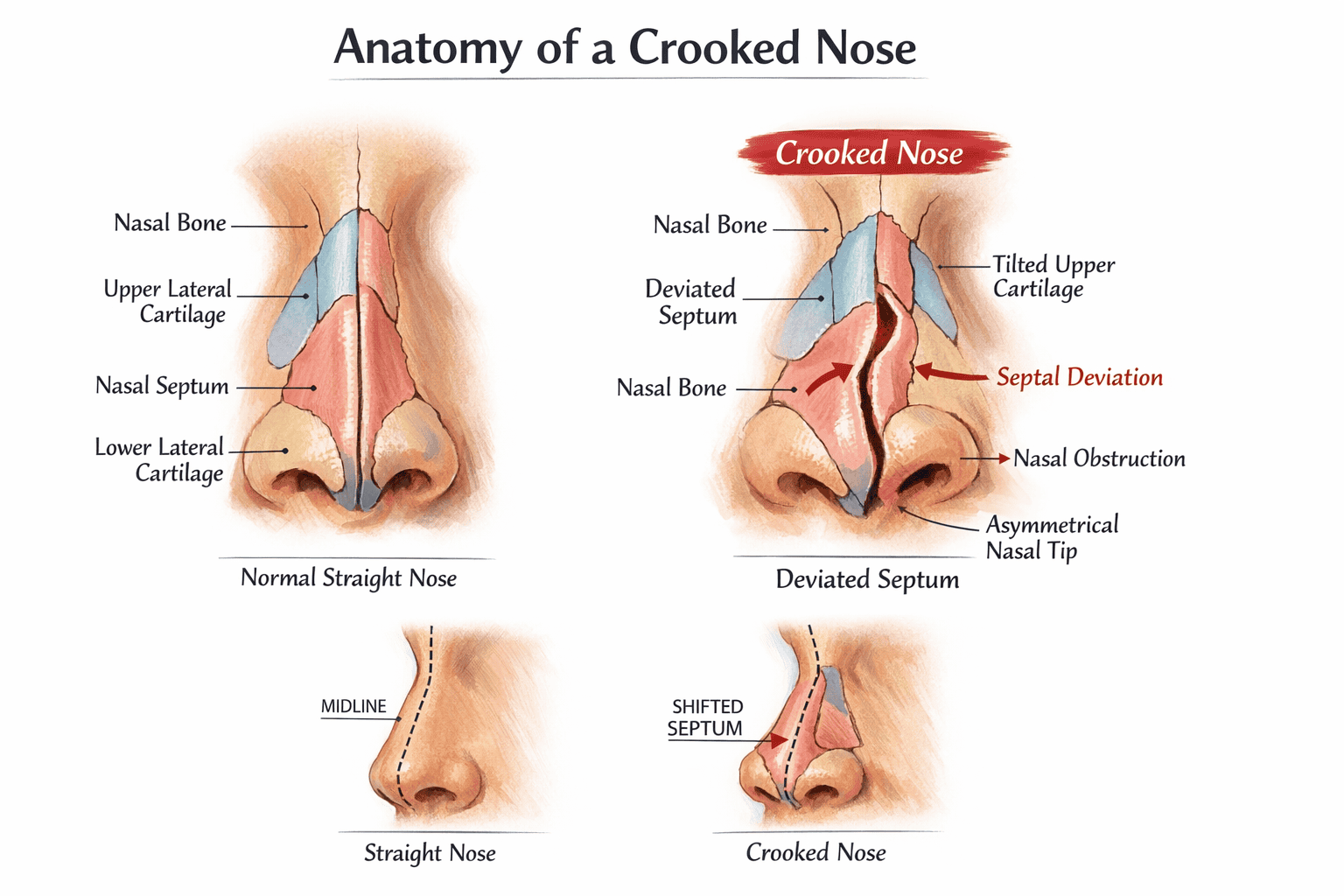
A crooked nose may involve:
-
The nasal bones (upper part of the nose)
-
The cartilage (middle and lower parts)
-
The nasal septum (the internal wall dividing the nostrils)
-
Or a combination of all three
Common Causes of a Crooked Nose
Understanding the underlying cause of nasal deviation is essential, as it directly influences the choice of treatment.
1. Congenital Factors (Present at Birth)
Some people are born with asymmetrical nasal structures due to genetics or developmental variations during fetal growth. These cases often involve cartilage irregularities rather than trauma.
2. Nasal Trauma or Injury
Injuries from sports, accidents, falls, or childhood trauma are among the most common causes of a crooked nose. Even minor trauma, especially if untreated, can shift nasal bones or cartilage permanently.
3. Deviated Septum
A deviated septum occurs when the internal nasal wall is displaced to one side. While not all deviated septums are visible externally, many contribute to an externally crooked appearance along with breathing difficulties.
4. Previous Nasal Surgery
In some cases, a crooked nose develops after a prior rhinoplasty due to:
-
Scar tissue formation
-
Uneven healing
-
Inadequate structural support
-
Collapse of cartilage over time
5. Ethnic and Anatomical Variations
Nasal structure varies across populations due to genetics and environmental adaptation. Bone thickness, cartilage strength, and skin thickness all influence how deviation appears externally. You can explore how nasal structure differs globally in this detailed guide on nose shapes across ethnicities:
👉 https://tabeebo.com/what-are-the-different-nose-shapes-across-ethnicities/
Types of Crooked Noses
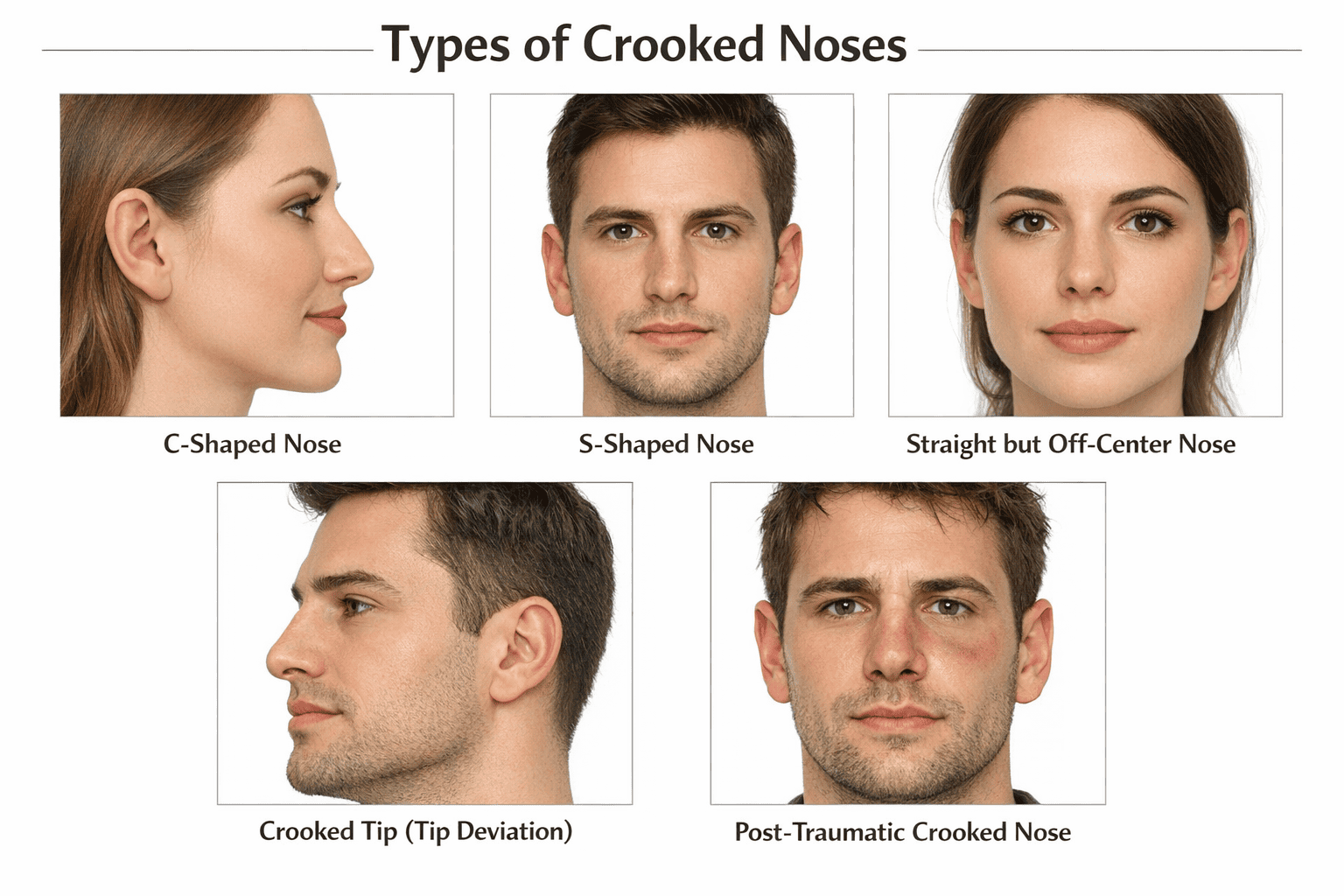
Crooked noses are not all the same. Surgeons classify them into specific patterns, each requiring a tailored surgical approach.
1. C-Shaped Crooked Nose
The nose curves gently to one side, forming a “C” shape when viewed from the front. This type often results from trauma or cartilage imbalance.
Common features:
-
One side appears concave, the other convex
-
Tip may also deviate
-
Often combined with septal deviation
2. S-Shaped Crooked Nose
An S-shaped nose curves in opposite directions at different levels, creating a more complex deformity.
Common features:
-
Upper nasal bones deviate one way
-
Lower cartilage deviates the opposite way
-
Often requires advanced structural correction
3. Straight but Off-Center Nose
In this case, the nose appears straight but is shifted entirely to one side of the face. This is often caused by trauma to the nasal bones.
4. Crooked Tip (Tip Deviation)
Sometimes the nasal bridge is straight, but the tip points to one side due to cartilage asymmetry.
5. Post-Traumatic Crooked Nose
This category includes noses distorted by fractures or untreated injuries. These cases often involve both cosmetic and functional concerns.
Does a Crooked Nose Affect Breathing?
Yes, in many cases.
When nasal deviation involves the septum or internal nasal valves, airflow can be restricted. Symptoms may include:
-
Chronic nasal congestion
-
Mouth breathing
-
Snoring
-
Frequent sinus infections
-
Reduced exercise tolerance
When breathing is affected, functional rhinoplasty or septorhinoplasty may be medically indicated rather than purely cosmetic.
Rhinoplasty for a Crooked Nose: How Surgeons Correct It
Correcting a crooked nose is one of the most technically demanding forms of rhinoplasty. The goal is not just to make the nose look straight, but to restore internal balance and long-term stability.
1. Septorhinoplasty (Most Common Technique)
Septorhinoplasty combines cosmetic reshaping with correction of the deviated septum.
What it addresses:
-
Internal septal deviation
-
External nasal asymmetry
-
Breathing problems
The septum is straightened and often used as a structural support (grafts) to maintain alignment.
2. Osteotomy (Nasal Bone Realignment)
Osteotomy involves controlled surgical fractures of the nasal bones so they can be repositioned symmetrically.
Used for:
-
Trauma-related crooked noses
-
Bone deviation
Precision is critical to avoid overcorrection or instability.
3. Cartilage Grafting
Cartilage grafts (often taken from the septum, ear, or rib) are used to:
-
Reinforce weak areas
-
Correct curvature
-
Maintain long-term straightness
4. Tip Refinement Techniques
For crooked nasal tips, surgeons reshape and reposition cartilage using sutures and grafts to improve symmetry.
5. Revision Rhinoplasty (If Needed)
In complex cases or after previous surgery, revision rhinoplasty may be required. This demands advanced expertise and careful planning.
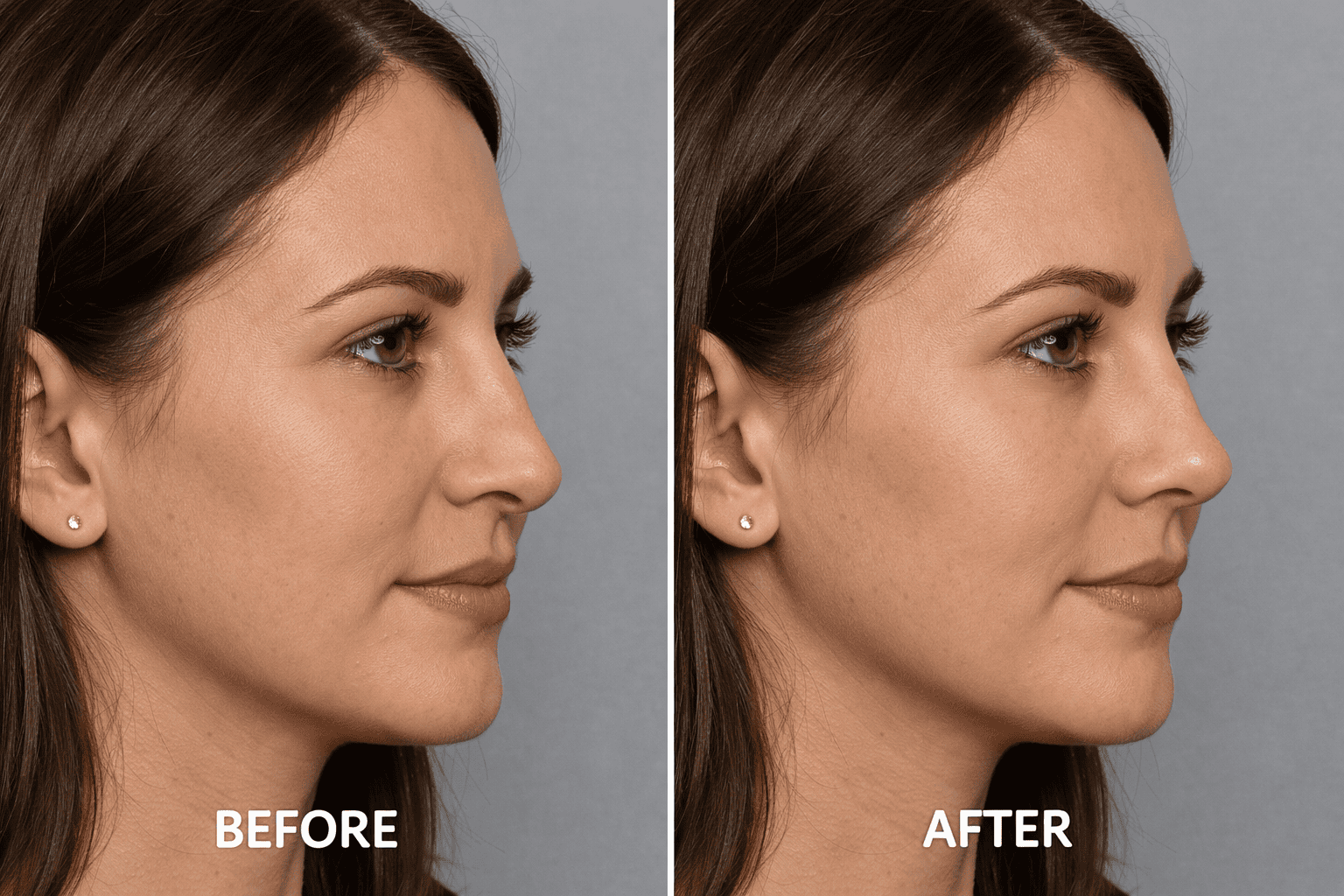
Non-Surgical Options: Can Fillers Fix a Crooked Nose?
Non-surgical rhinoplasty using dermal fillers can sometimes camouflage mild asymmetry by creating the illusion of a straighter nose. However, it does not correct structural deviation.
Limitations:
-
Temporary results (6–18 months)
-
Cannot improve breathing
-
Not suitable for severe crooked noses
Recovery and Results
Recovery from crooked nose rhinoplasty typically includes:
-
Swelling and bruising (2–3 weeks)
-
Nasal splint for 7–10 days
-
Gradual refinement over 6–12 months
Final results depend on healing, skin thickness, and surgical technique.
Comparison: Surgical vs Non-Surgical Correction of a Crooked Nose
| Feature | Surgical Rhinoplasty | Non-Surgical Rhinoplasty |
|---|---|---|
| Corrects structure | Yes | No |
| Improves breathing | Yes | No |
| Longevity | Permanent | Temporary (6–18 months) |
| Best for | Moderate to severe crooked noses | Mild asymmetry |
| Downtime | 1–2 weeks | Minimal |
| Customization | High | Limited |
For patients with breathing problems or significant deviation, surgical correction remains the gold standard.
Is Crooked Nose Rhinoplasty More Complex Than Standard Nose Jobs?
Yes. Crooked nose correction is among the most technically demanding rhinoplasty procedures because:
-
Deviation often involves multiple anatomical layers
-
Structural memory of cartilage can cause relapse
-
Asymmetry must be corrected while preserving strength
-
Functional and cosmetic goals must be balanced simultaneously
This is why surgeon experience plays a critical role in long-term success.
Psychological and Confidence Benefits
Many patients underestimate the emotional impact of correcting a crooked nose. Research shows that facial symmetry is closely tied to self-confidence, social comfort, and self-image. After surgery, patients often report:
-
Increased confidence in photos and social settings
-
Reduced self-consciousness
-
Improved overall satisfaction with facial appearance
When performed responsibly, rhinoplasty can positively impact both physical and psychological well-being.
Frequently Asked Questions (FAQ)
Can a crooked nose correct itself over time?
No. Once nasal bones or cartilage are displaced, they typically remain in that position unless corrected surgically.
Is crooked nose surgery only cosmetic?
Not always. Many cases involve functional problems, such as nasal obstruction or deviated septum, which may justify medical intervention.
Will my nose stay straight forever after surgery?
With proper technique and healing, results are generally permanent. However, trauma or poor structural support can affect long-term stability.
Is crooked nose surgery painful?
Most patients describe discomfort rather than pain. Modern pain management protocols make recovery manageable.
How soon can I return to work?
Most patients return to non-physical work within 7–10 days, depending on swelling and bruising.
Can ethnic features be preserved during crooked nose correction?
Absolutely. Modern rhinoplasty focuses on preserving ethnic identity while improving symmetry and function.
Making an Informed Decision
Correcting a crooked nose requires a personalized approach. Factors such as facial structure, breathing function, skin thickness, and patient expectations all influence outcomes. Consulting with a qualified ENT specialist ensures realistic goals and safe results.
External Medical References
-
American Academy of Facial Plastic and Reconstructive Surgery (AAFPRS) – Rhinoplasty Standards
https://www.aafprs.org -
PubMed – Surgical correction of the crooked nose
https://pubmed.ncbi.nlm.nih.gov/24474194/ -
Cleveland Clinic – Deviated Septum & Nasal Surgery
https://my.clevelandclinic.org
Final Thoughts
A crooked nose can be caused by genetics, injury, or internal structural imbalance, and it may affect both appearance and breathing. Thanks to modern rhinoplasty techniques, effective and lasting correction is possible when performed by an experienced surgeon. Whether your goal is aesthetic refinement, improved airflow, or both, understanding your options is the foundation of a successful outcome.
This comprehensive approach ensures that patients are empowered with accurate information before taking the next step.