
Dr. Kamelya Goudarzi is a highly experienced Specialist Psychiatrist in Dubai with more than a decade of academic and clinical […]
Dubai, United Arab Emirates
Post-Traumatic Stress Disorder (PTSD) is a legitimate and treatable mental health condition that can emerge after someone has been exposed to a shocking, scary, or dangerous event. It’s not a sign of weakness, but rather the mind’s profound and prolonged reaction to overwhelming stress. While it’s normal to have upsetting memories or feel on edge after a trauma, with PTSD, these feelings don’t fade. Instead, they persist and can even intensify, significantly disrupting a person’s life.
Any event that shatters a person’s sense of safety can be a trigger. Common traumatic events include:
Combat and military exposure
Physical or sexual assault
Childhood abuse
Serious accidents (like car crashes)
Natural disasters (such as earthquakes or floods)
Witnessing a death or serious injury
Receiving a life-threatening medical diagnosis
It’s crucial to remember that the key factor is the individual’s subjective experience of the event—what is traumatic for one person may not be for another.
PTSD symptoms are often grouped into four main categories:
Recurrent, unwanted, and distressing memories of the event.
Flashbacks (acting or feeling as if the event were happening again).
Nightmares related to the trauma.
Severe emotional distress or physical reactions to reminders.
Actively avoiding thoughts, feelings, or conversations about the event.
Staying away from places, activities, or people that are reminders.
Negative thoughts about oneself, others, or the world.
Feelings of hopelessness about the future.
Memory problems, including not remembering important parts of the event.
Difficulty maintaining close relationships.
Feeling emotionally numb or detached from others.
Loss of interest in activities once enjoyed.
Being easily startled or frightened.
Always being on guard for danger (hypervigilance).
Self-destructive behavior (like reckless driving or excessive drinking).
Trouble sleeping or concentrating.
Irritability, angry outbursts, or aggressive behavior.
Not everyone who experiences trauma develops PTSD. It’s believed to be caused by a complex mix of:
The intensity and duration of the trauma.
Individual brain chemistry and the stress-response system.
Personal history, such as a previous mental health condition or a lack of a strong support system.
Having certain risk factors (like a family history of anxiety) can increase vulnerability, while protective factors (like strong social support) can foster resilience.
PTSD is highly treatable, and recovery is possible. The goal of treatment is not to erase the memory, but to reduce symptoms and restore a sense of control. The most effective, evidence-based treatments include:
Trauma-Focused Psychotherapy: This is the cornerstone of treatment.
Cognitive Behavioral Therapy (CBT): Helps you process and reframe negative thoughts about the trauma.
Eye Movement Desensitization and Reprocessing (EMDR): Uses guided eye movements to help the brain process and integrate traumatic memories.
Prolonged Exposure Therapy: Safely and gradually helps you confront trauma-related memories and situations you’ve been avoiding.
Medications: Certain antidepressants, particularly SSRIs (like sertraline or paroxetine), can be very effective in managing symptoms like anxiety, sadness, and anger.
If you recognize these symptoms in yourself or someone you care about, know that you are not alone and that help is available. The most courageous step you can take is to reach out to a qualified mental health professional, such as a psychologist, psychiatrist, or licensed therapist. With the right support and treatment, it is entirely possible to move beyond the trauma and reclaim a fulfilling, peaceful life.
Dr. Kamelya Goudarzi is a highly experienced Specialist Psychiatrist in Dubai with more than a decade of academic and clinical […]

Dr. Maryam Vahidmoghadam is a highly experienced psychiatrist practicing in Dubai who brings a holistic and patient-centred approach to mental […]

Dr. Fatemeh Hosseinzadeh is a board-certified psychiatrist and psychotherapist based in Mashhad, Iran, with extensive clinical, academic, and research experience […]

Dr. Amir Keshavarz is a distinguished clinical psychologist, university lecturer, and certified member of the Iranian Psychological Association, based in […]

Monireh Morsali is a licensed clinical psychologist and individual therapist based in Tehran, Iran, specializing in adult psychotherapy and the […]

Dr. Sanaz Toghraei is an experienced psychologist, family counselor, and relationship specialist based in Tehran, Iran. She offers a variety […]

Shila Somi is a clinical psychologist with over ten years of professional experience in the field of psychotherapy, individual counseling, […]
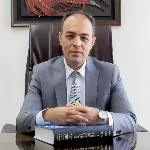
Dr. Hamidreza Hekmat is a distinguished psychiatrist and psychotherapist in Tehran, known for his scientific, human-centered, and evidence-based approach to […]

Dr. Ramin Afshari is a distinguished psychiatrist and psychotherapist based in Shiraz, Iran, who has dedicated his career to helping […]

Dr. Faramarz Zakeri is a well-known psychiatrist based in Tehran, Iran, with extensive experience in treating a wide range of […]

Dr. Roya Samadi is a highly experienced and academically accomplished psychiatrist based in Mashhad, Iran. She has held key leadership […]

Dr. Maryam Alavirad is a skilled and compassionate psychiatrist based in Isfahan, Iran, with a diverse range of expertise covering […]