
Dr. Behnam Ghafarzadeh Aghdam, born in 1973 in Tabriz, Iran, is a distinguished ophthalmologist and surgeon with over 14 years […]
Iran, Tabriz
Strabismus, often called “crossed eyes,” “wandering eyes,” or “wall eyes,” is a condition where the eyes are misaligned and point in different directions. It’s more than a cosmetic issue; it’s a disorder of binocular vision, where the brain receives two different images, which can affect vision development and depth perception.
The direction of the eye turn defines the type of strabismus:
Esotropia: The eye turns inward (toward the nose). This is the most common type in infants and children.
Exotropia: The eye turns outward (toward the ear). This often becomes noticeable when a child is tired, daydreaming, or looking at distant objects.
Hypertropia: The eye turns upward.
Hypotropia: The eye turns downward.
The misalignment can be constant (always present) or intermittent (coming and going). It may always affect the same eye (unilateral) or switch between eyes (alternating).
Strabismus is usually caused by a failure of the eye muscles to work together properly. The brain controls six muscles attached to each eye. When these muscles don’t coordinate, one eye can drift. Common causes include:
Problems with Muscle Control: The most frequent cause is a neurological issue affecting the muscles’ coordination.
Uncorrected Refractive Errors: Especially significant farsightedness (hyperopia). The child exerts extra effort to focus, which can cause the eye to turn inward.
Genetics: A family history of strabismus increases the risk.
Underlying Medical Conditions: Such as cerebral palsy, Down syndrome, stroke, head trauma, or thyroid eye disease (Graves’ disease).
The most serious consequence of untreated strabismus, particularly in children, is the development of amblyopia, or “lazy eye.” To avoid double vision, the brain learns to ignore (or “suppress”) the image from the misaligned eye. If this suppression continues during the critical period of visual development (typically up to age 7-10), the brain’s visual pathways for that eye do not develop properly, leading to permanent vision loss that cannot be corrected with glasses alone.
A comprehensive eye exam by an ophthalmologist or optometrist is essential. The evaluation includes:
Visual Acuity Test: To check clarity of vision in each eye.
Refraction Test: To determine the correct prescription for glasses.
Alignment and Focus Tests: Such as the cover/uncover test, where the doctor covers one eye at a time to see how the other moves to fixate.
Exam of Eye Health: To rule out any internal eye problems causing the misalignment.
The goal of treatment is to preserve vision, straighten the eyes, and restore binocular vision. The approach depends on the type, cause, and age of the patient.
Eyeglasses or Contact Lenses: These can correct refractive errors like farsightedness, which may be causing the eye to turn.
Patching (Occlusion Therapy): The primary treatment for amblyopia. Covering the stronger eye forces the brain to use the weaker eye, strengthening its vision.
Vision Therapy: A customized program of eye exercises to improve coordination, focusing ability, and eye teamwork in some cases of intermittent strabismus.
Surgery is often recommended when non-surgical methods are insufficient to correct the alignment.
The procedure involves adjusting the position or length of the eye muscles on the outside of the eye to change their pull and achieve proper alignment.
Surgery improves the eyes’ alignment but may need to be combined with glasses or vision therapy for the best functional outcome.
Strabismus is a common and treatable condition. Early intervention is the single most important factor for a successful outcome. If you notice any sign of eye misalignment in yourself or your child—such as eyes that don’t look in the same direction, a head tilt, squinting, or complaints of double vision—schedule a comprehensive eye examination with an ophthalmologist, preferably a pediatric ophthalmologist or a strabismus specialist. Timely treatment can protect vision, restore alignment, and ensure healthy visual development for life.
Dr. Behnam Ghafarzadeh Aghdam, born in 1973 in Tabriz, Iran, is a distinguished ophthalmologist and surgeon with over 14 years […]
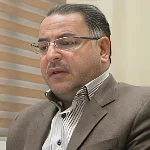
Dr. Mohammad Etezad Razavi is a renowned professor of ophthalmology at Mashhad University of Medical Sciences, specializing in: Pediatric oculoplastic surgery Eyelid […]
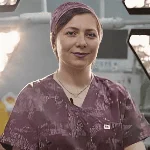
Dr. Helia Shayanfar is a distinguished ophthalmologist based in Mashhad, Iran, specializing in corneal and anterior segment surgeries. Her academic […]

Dr. Arash Mirmohammad Sadeghi is a prominent ophthalmologist specializing in Strabismus, Oculoplasty, and pediatric ophthalmology. He is an Associate Professor […]