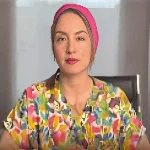
Dr. Maryam Rastgoo Damavandi is a highly qualified physiotherapist based in Tehran, Iran, with an extensive academic and professional background […]
Iran, Tehran
Tennis elbow, medically known as lateral epicondylitis, is an overuse injury causing inflammation and microtears in the tendons connecting the forearm muscles to the bony prominence on the outside of the elbow (lateral epicondyle). Despite its name, this condition affects both athletes and non-athletes alike.
Racquet sports (tennis, squash, badminton)
Weight training and gym exercises
Throwing sports (baseball, javelin)
Computer use and typing
Construction work (hammering, screwdriving)
Painting and decorating
Mechanical repairs
Poor technique or equipment in sports
Sudden increase in activity intensity
Age-related tendon degeneration (common in 30-50 age group)
Dull, aching pain on outer elbow
Pain that radiates down forearm
Weak grip strength
Pain when:
Shaking hands
Turning doorknobs
Holding coffee cups
Lifting objects
Physical examination (Cozen’s test, Mill’s test)
Medical history review
Imaging studies (ultrasound or MRI if needed)
Activity Modification: Rest from aggravating activities
Ice Therapy: 15-20 minutes several times daily
NSAIDs: Ibuprofen or naproxen for pain/inflammation
Eccentric strengthening exercises
Stretching routines
Ultrasound therapy
Manual therapy techniques
Counterforce braces
Wrist splints for night use
Corticosteroid Injections: For short-term pain relief
PRP Therapy: Natural healing promotion
Shock Wave Therapy: Non-invasive tissue stimulation
Botox Injections: For chronic cases
Open tendon repair
Arthroscopic debridement
Ultrasonic tenotomy
Initial Phase (2-4 weeks): Pain reduction through rest and therapy
Rehabilitation Phase (4-8 weeks): Gradual strengthening
Full Recovery (3-6 months): Return to normal activities
Prevention Phase: Ongoing maintenance exercises
Proper Technique: Sports instruction and ergonomic assessment
Equipment Check: Appropriate racquet size and grip
Gradual Progression: Slow increase in activity intensity
Regular Stretching: Forearm and wrist flexibility exercises
Strength Maintenance: Ongoing forearm strengthening
Consult a healthcare provider if:
Pain persists despite 2 weeks of self-care
Unable to carry objects or use arm
Elbow shows signs of deformity
Numbness or tingling develops
Night pain interferes with sleep
With proper treatment:
80-90% of cases resolve with conservative care
Most patients return to full activity
Recurrence rates are low with preventive measures
Chronic cases may require ongoing management
Tennis elbow typically responds well to comprehensive treatment approaches. Early intervention and proper rehabilitation are key to successful recovery and prevention of recurrence. For optimal results, work with physical therapists and sports medicine specialists to develop a personalized treatment plan.
Dr. Maryam Rastgoo Damavandi is a highly qualified physiotherapist based in Tehran, Iran, with an extensive academic and professional background […]
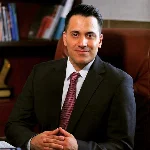
Dr. Roozbeh Taghavi is a highly skilled orthopedic surgeon specializing in hand and shoulder surgeries, practicing in Tehran and Karaj. […]