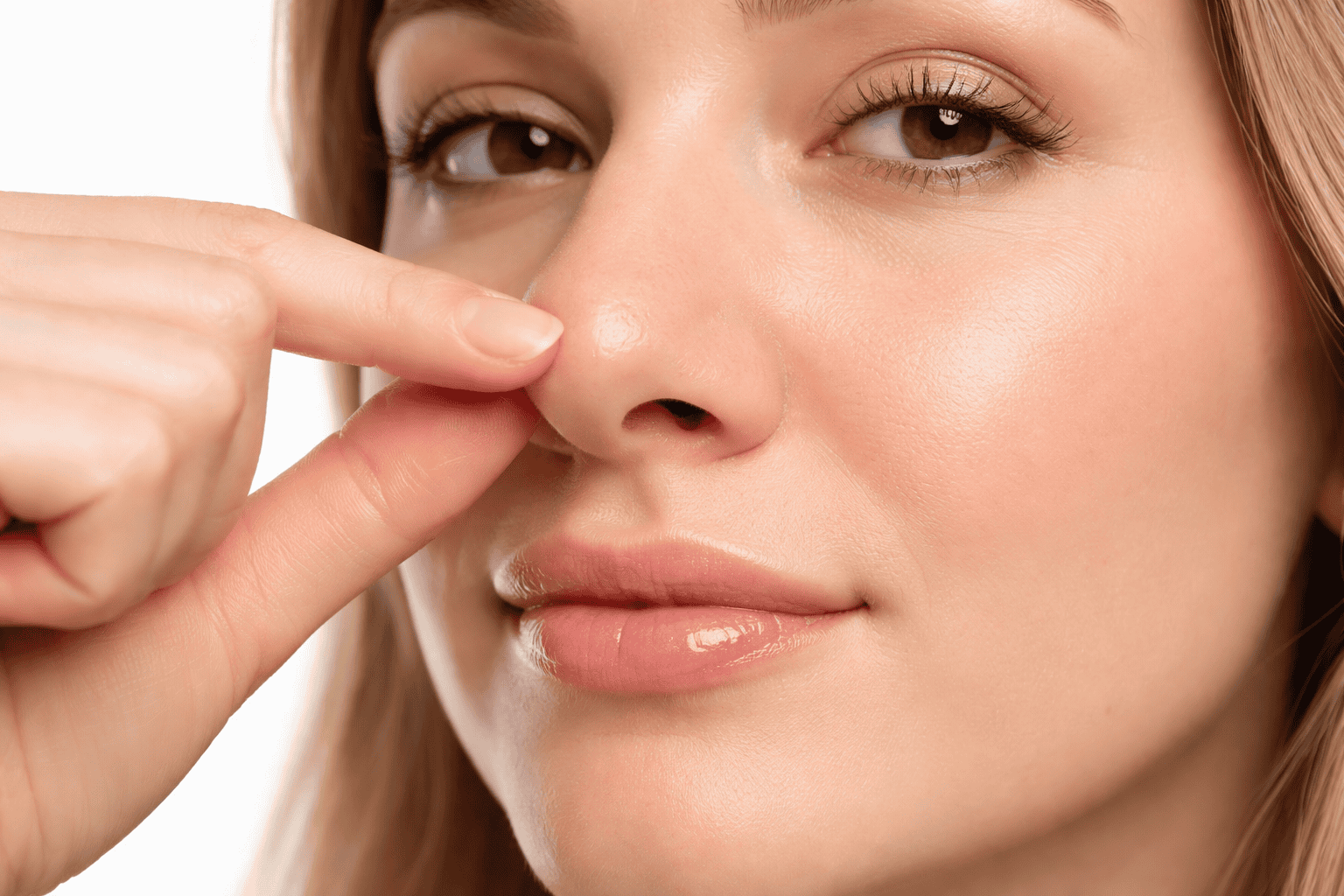
A fleshy nose is one of the most misunderstood nose types in facial aesthetics. Many people with this nasal structure worry that it cannot be refined or that rhinoplasty results will look unnatural. In reality, modern rhinoplasty techniques—when performed by experienced surgeons—can significantly improve the shape, definition, and balance of a fleshy nose while preserving facial harmony.
This comprehensive guide explains what a fleshy nose is, why it presents unique challenges, and which rhinoplasty techniques are most effective for achieving natural, long-lasting results.
What Is a Fleshy Nose?
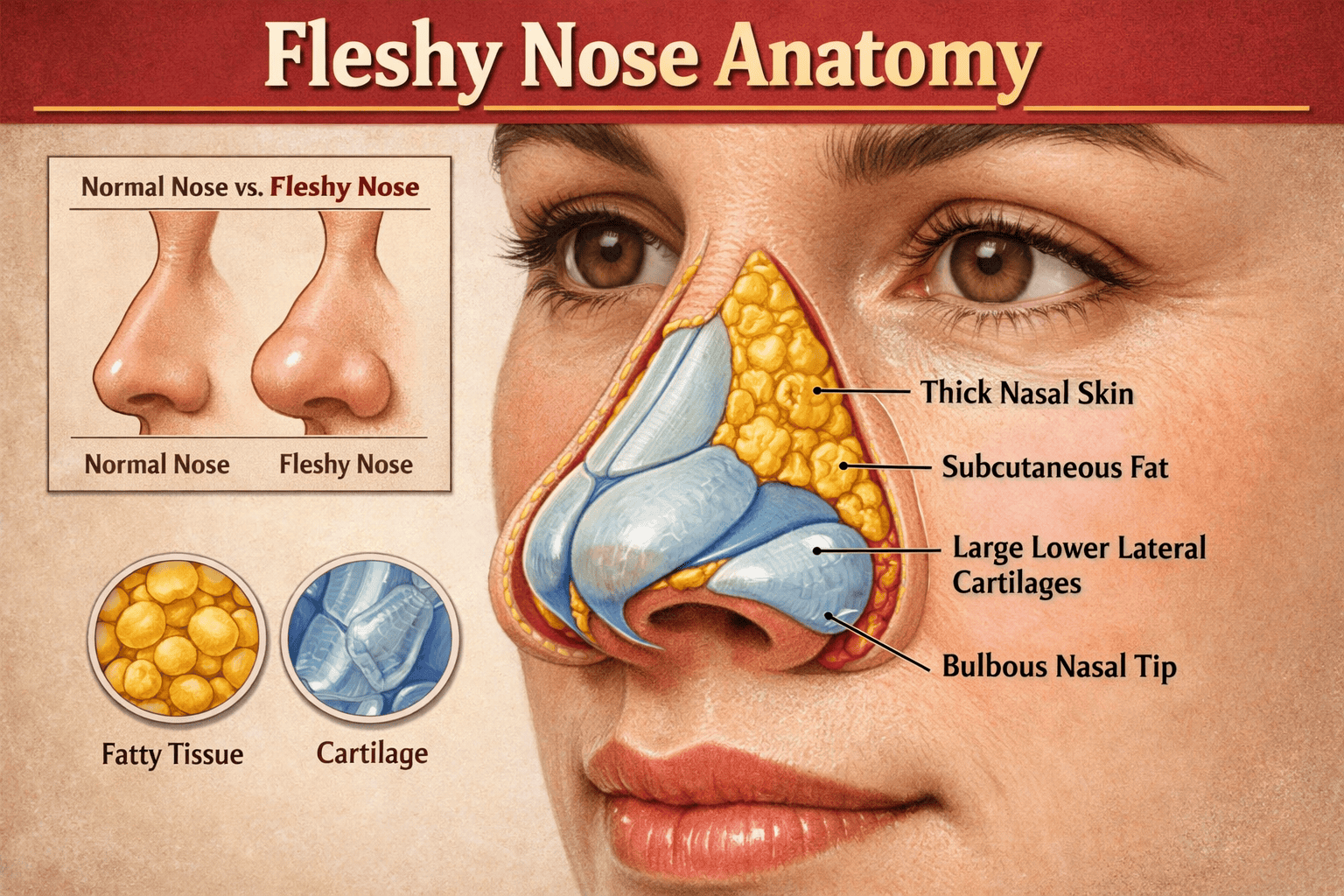
A fleshy nose is typically characterized by thick nasal skin, a rounded or bulbous nasal tip, and less visible cartilage definition. This nose type is often confused with a “bulbous nose,” but fleshy noses involve a broader anatomical context beyond just the tip.
Key Characteristics of a Fleshy Nose
-
Thick, sebaceous skin (especially over the nasal tip)
-
Soft tissue bulk masking cartilage structure
-
Rounded or wide nasal tip
-
Weak or under-projected cartilage framework
-
Slower healing after surgery due to skin thickness
Fleshy noses are common across many ethnicities, including Middle Eastern, Mediterranean, South Asian, African, and Latin American populations. To better understand how this nose type fits into global nasal anatomy, you can explore different nose shapes across ethnicities in Tabeebo’s in-depth guide:
👉 https://tabeebo.com/what-are-the-different-nose-shapes-across-ethnicities/
Why Fleshy Noses Are More Challenging in Rhinoplasty
Rhinoplasty for a fleshy nose is considered one of the most technically demanding procedures in facial plastic surgery. The challenge lies not in removing tissue, but in building strong, precise support beneath thick skin.
Main Challenges Surgeons Face
-
Limited Definition Visibility
Thick skin does not “shrink-wrap” over cartilage as easily as thin skin, making subtle refinements harder to see. -
Risk of Tip Drooping Over Time
Without adequate structural support, the nasal tip may lose definition as tissues heal and gravity takes effect. -
Swelling That Lasts Longer
Postoperative swelling can persist for months—sometimes up to a year—especially in the nasal tip. -
Unrealistic Patient Expectations
A fleshy nose cannot usually be transformed into an ultra-thin, sharp nose without compromising function or aesthetics.
Because of these factors, surgeon experience is critical when planning rhinoplasty for a fleshy nose.
Can a Fleshy Nose Be Made Smaller?
Yes—but refinement, not drastic reduction, is the correct goal.
Modern rhinoplasty focuses on:
-
Improving definition
-
Enhancing projection
-
Creating balance with facial features
-
Maintaining nasal breathing function
Rather than aggressively removing tissue, surgeons reshape and reinforce the cartilage framework to allow the skin to settle into a more refined contour over time.
Best Rhinoplasty Techniques for a Fleshy Nose
1. Structural (Cartilage-Support) Rhinoplasty
This is the gold standard approach for fleshy noses.
Surgeons use cartilage grafts (often from the septum) to:
-
Strengthen the nasal tip
-
Improve projection
-
Prevent long-term collapse
This technique creates a stable foundation that supports thick skin effectively.
2. Open Rhinoplasty (Preferred Method)
For fleshy noses, open rhinoplasty is often recommended.
Why open rhinoplasty works better:
-
Allows full visualization of cartilage anatomy
-
Enables precise graft placement
-
Offers better long-term control of tip shape
Closed rhinoplasty may be suitable in select cases, but it is generally less predictable for thick-skinned noses.
3. Tip Refinement With Sutures and Grafts
Instead of cutting away tissue, surgeons:
-
Use advanced suture techniques
-
Sculpt cartilage carefully
-
Add tip-defining grafts when needed
This method avoids over-resection and preserves natural appearance.
4. Skin and Soft Tissue Management
In some cases, surgeons may:
-
Thin excess fibrofatty tissue (conservatively)
-
Use postoperative steroid injections to control swelling
-
Recommend taping protocols during recovery
These steps help optimize final results without damaging skin health.
Non-Surgical Rhinoplasty for Fleshy Noses: Does It Work?
Non-surgical rhinoplasty using fillers does not reduce size and is usually not ideal for fleshy noses.
It may:
-
Improve minor asymmetries
-
Enhance bridge height temporarily
But it cannot refine a thick nasal tip and may even make the nose appear larger. Surgical rhinoplasty remains the most effective option for meaningful improvement.
Recovery and Healing Timeline
Healing after fleshy nose rhinoplasty requires patience.
What to Expect
-
Initial swelling: 2–4 weeks
-
Tip swelling: 6–12 months
-
Final definition: up to 18 months in some cases
Following your surgeon’s aftercare instructions is essential for optimal results.
Choosing the Right Surgeon for a Fleshy Nose
Not all rhinoplasty surgeons are equally experienced with thick-skinned noses. Look for a surgeon who:
-
Specializes in structural rhinoplasty
-
Has documented experience with fleshy noses
-
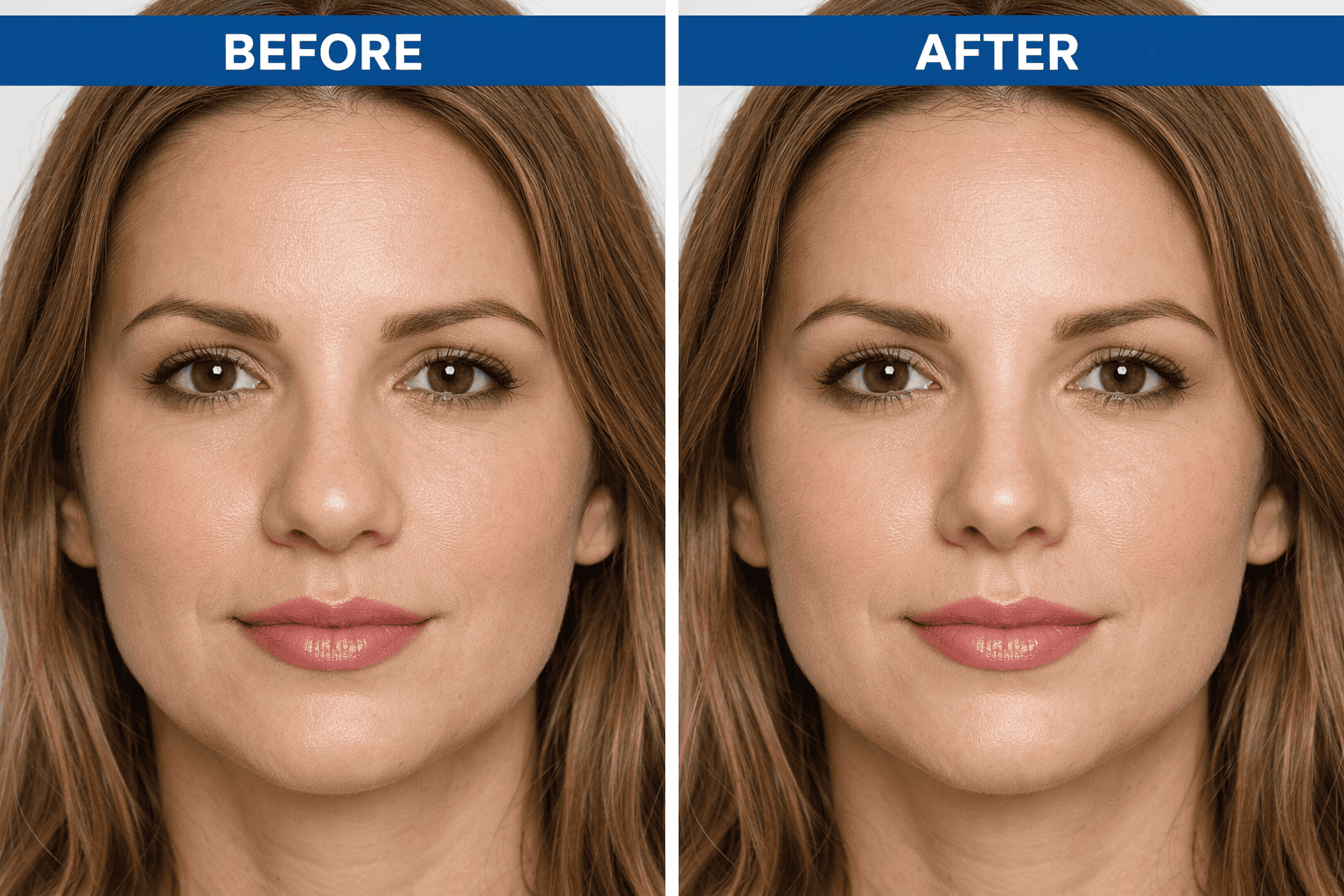
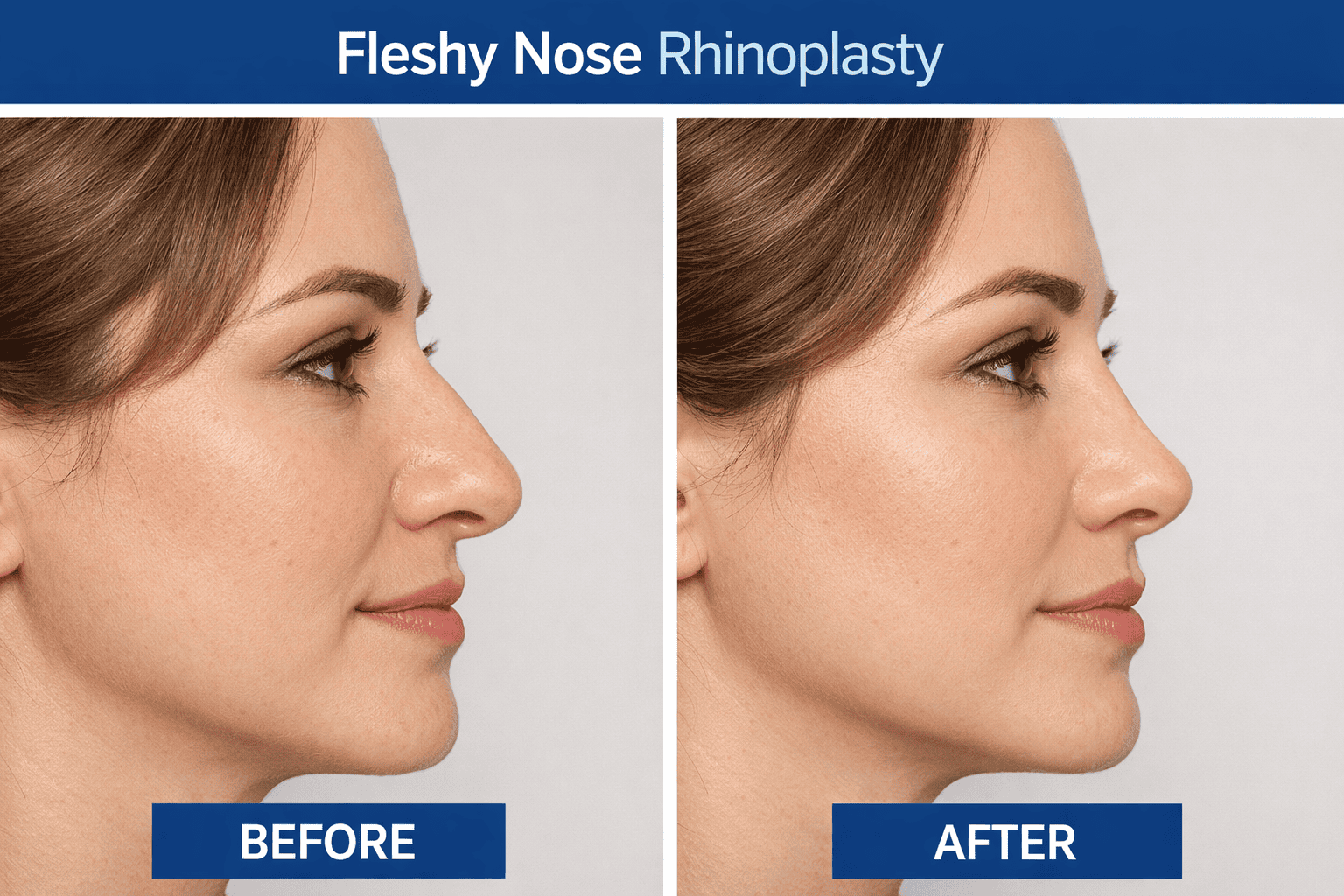
Shows realistic before-and-after results
-
Prioritizes breathing function
You can explore and compare qualified rhinoplasty specialists through Tabeebo’s trusted medical platform:
👉 https://tabeebo.com/rhinoplasty-nose-job/
Psychological and Aesthetic Considerations
A fleshy nose is not a flaw—it is a natural anatomical variation. Many patients seek rhinoplasty not to erase their identity, but to achieve balance and confidence.
Modern rhinoplasty emphasizes:
-
Ethnic preservation
-
Natural-looking refinement
-
Long-term facial harmony
Frequently Asked Questions (FAQs)
Is a fleshy nose the same as a bulbous nose?
Not exactly. A bulbous nose refers specifically to a rounded tip, while a fleshy nose includes thick skin and soft tissue throughout the nose.
Can thick nasal skin be thinned permanently?
Skin thickness itself cannot be changed permanently, but underlying structure can be improved to enhance definition.
Are results from fleshy nose rhinoplasty permanent?
Yes, when proper structural support is used, results are long-lasting.
Is revision surgery more common with fleshy noses?
Revision risk is higher if the initial surgery lacks proper support or is overly aggressive.
How long should I wait to see final results?
Most patients see near-final results after 12 months, with subtle improvements continuing beyond that.
References
-
. Rhinoplasty for the thick-skinned patient. Plastic and Reconstructive Surgery.
https://pubmed.ncbi.nlm.nih.gov/38057968/ -
Shah A, Nnabue OE.Structural Rhinoplasty through the Endonasal Approach.
https://pubmed.ncbi.nlm.nih.gov/40262776/ -
American Society of Plastic Surgeons (ASPS). Rhinoplasty overview.
https://www.plasticsurgery.org/cosmetic-procedures/rhinoplasty -
Cleveland Clinic. Nose reshaping surgery.
https://my.clevelandclinic.org/health/treatments/11049-rhinoplasty