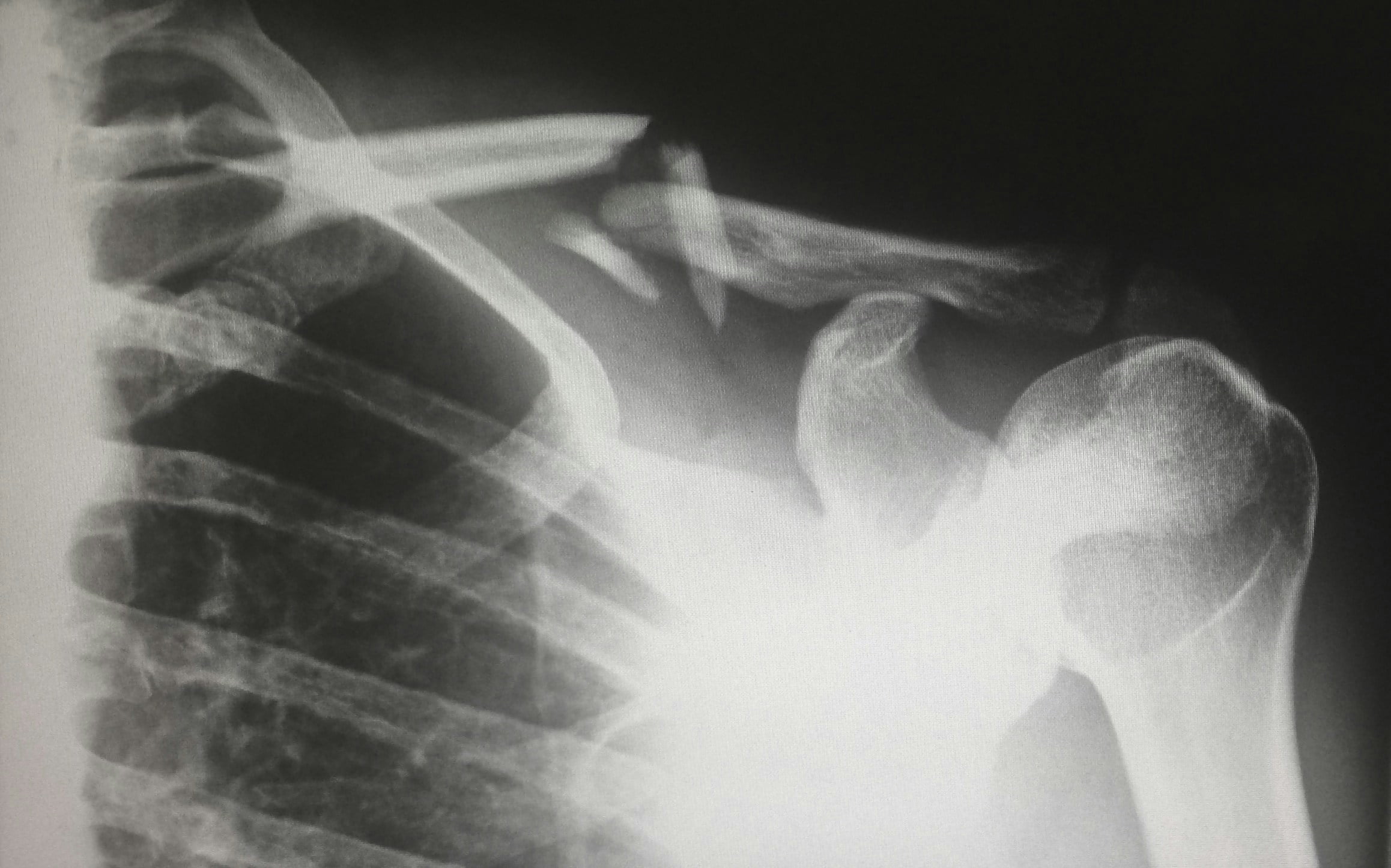
How is artificial intelligence helping doctors detect cancer? Can machine learning predict disease? Is AI accelerating drug discovery, and what will the hospitals of the future look like?
Artificial intelligence (AI) and machine learning (ML) are becoming increasingly important across healthcare, from medical imaging and clinical prediction to drug research, hospital administration and patient monitoring.
Some technologies are already authorized for narrowly defined medical purposes. Others have shown promising results in clinical trials, while many remain experimental.
The distinction matters because a system’s ability to analyze medical data does not automatically mean it improves patient outcomes or can replace clinical judgment.
In this updated Tabeebo guide, we examine the key applications of AI in healthcare, explain how machine learning works, review research published through November 2026, and explore the opportunities and risks shaping the future of medicine.
What Are Artificial Intelligence and Machine Learning in Healthcare?
Although AI and machine learning are often used interchangeably, they have different meanings.
Artificial Intelligence (AI)
AI is the broad field of developing systems that perform tasks involving pattern recognition, prediction, information processing, reasoning or content generation.
Machine Learning (ML)
Machine learning is a subset of AI in which algorithms learn patterns from data.
For example, a model might use historical patient records to estimate the probability of a particular clinical outcome.
Deep Learning
Deep learning is a subset of machine learning that uses neural networks with multiple processing layers.
It has become particularly important in medical imaging, biological signals and other complex datasets.
Generative AI
Generative AI creates new content such as text, images or proposed molecular structures.
Large language models (LLMs) are one category of generative AI, but the healthcare AI ecosystem is considerably broader than chatbots.
Comparing the Main Technologies
| Technology | Example healthcare application |
|---|---|
| AI | General category of intelligent medical software |
| Machine learning | Predicting a specific patient risk |
| Deep learning | Analyzing mammograms, CT scans or MRI |
| Natural language processing | Extracting information from clinical records |
| Generative AI | Drafting medical notes or generating candidate molecules |
| Computer vision | Identifying features in radiology or pathology images |
A medical imaging system and a conversational chatbot may both use AI, but they are not necessarily suitable for the same clinical tasks.
1. AI in Medical Diagnosis and Imaging
Medical imaging is one of the most mature areas of clinical AI.
Specialized systems can help analyze:
- X-rays.
- Computed tomography (CT) scans.
- Magnetic resonance imaging (MRI).
- Mammograms.
- Retinal photographs.
- Digitized pathology slides.
Depending on their intended use, these systems may identify suspicious findings, outline structures, prioritize examinations or provide decision support.
However, performance varies according to the disease, patient population, imaging equipment and clinical workflow.
A Major 2026 Study: AI-Supported Breast Cancer Screening
The Swedish MASAI randomized trial, published in The Lancet in 2026, provides one of the clearest examples of how AI can be evaluated in real clinical practice.
Researchers randomly assigned 105,934 women to either:
- AI-supported mammography screening with radiologist assessment.
- Standard screening involving two radiologists without AI assistance.
The findings included:
| Outcome | AI-supported screening | Standard double reading |
|---|---|---|
| Sensitivity | 80.5% | 73.8% |
| Specificity | 98.5% | 98.5% |
| Interval cancer rate per 1,000 participants | 1.55 | 1.76 |
The AI-supported approach met the study’s prespecified non-inferiority criterion for interval cancer rates and demonstrated higher sensitivity.
It also reduced radiologist reading workload in the trial workflow.
This is encouraging evidence for a specific AI-assisted screening model.
But it does not establish that an AI system can independently replace radiologists or that the same results will occur in every healthcare setting.
Source: The Lancet — MASAI Trial, 2026.
AI in Ophthalmology
Specialized algorithms can examine retinal images for features associated with conditions such as diabetic retinopathy.
Some systems are authorized for particular screening applications and can help identify people who require follow-up.
However, an automated screening result is not equivalent to a full ophthalmological assessment, particularly for symptomatic or complex patients.
AI in Digital Pathology
Deep learning is also being studied and used in selected settings to help identify tissue patterns and suspicious regions on pathology slides.
It may support pathologists by organizing or highlighting information.
Nevertheless, the clinical value of each tool depends on validation, intended use and integration with the wider diagnostic process.
2. Predictive Analytics: Can AI Forecast Disease?
Machine learning can analyze structured clinical data to estimate the risk of future events.
Possible inputs include:
- Age and medical history.
- Vital signs.
- Laboratory measurements.
- Medication records.
- Prior hospital admissions.
- Electronic health records.
- Selected wearable-device measurements.
A model might be designed to predict readmission risk, deterioration or another defined outcome.
Prediction Is Not Prevention
A system that accurately predicts deterioration does not automatically prevent it.
For clinical benefit, the prediction must arrive at the right time, reach an appropriate healthcare professional and lead to an effective action.
False-positive alerts may create unnecessary testing or contribute to alert fatigue.
Missed events can also create false reassurance.
Therefore, healthcare AI should be evaluated using outcomes that matter to patients—not predictive accuracy alone.
3. AI and Personalized Medicine
Personalized medicine seeks to tailor medical decisions to an individual’s biological and clinical characteristics.
Relevant data may include:
- Genetic variants.
- Tumor molecular profiles.
- Age and comorbidities.
- Kidney and liver function.
- Previous treatment response.
- Risk of adverse effects.
Machine learning can help researchers analyze these complex datasets and identify patterns associated with particular conditions or responses.
Personalized Cancer Treatment
Modern oncology already uses established biomarkers to help select treatments for certain cancers.
AI may support molecular analysis, data interpretation and research into new biomarkers.
However, a model’s prediction does not by itself establish which therapy will be most effective for a patient.
Treatment decisions must rely on validated tests, clinical evidence and specialist assessment.
AI-assisted analysis should not be confused with a guarantee of individually optimized treatment.
4. AI in Drug Discovery and Development
Traditional drug discovery involves multiple stages, including identifying biological targets, developing potential compounds, laboratory testing and clinical trials.
AI can assist researchers by:
- Prioritizing biological targets.
- Predicting selected molecular properties.
- Generating candidate chemical structures.
- Helping optimize compounds for further investigation.
- Organizing experimental and clinical data.
These applications may improve parts of the research process, but they do not remove the need for laboratory experiments or human trials.
A Real 2025 Example: Rentosertib
In 2025, Nature Medicine published a randomized phase 2a study of rentosertib, an investigational molecule developed with generative AI for idiopathic pulmonary fibrosis.
The study included 71 patients assigned to different treatment doses or placebo for 12 weeks.
Researchers reported an encouraging lung-function signal in one treatment group.
However, this was a relatively small, short-duration clinical study.
It did not establish long-term efficacy, regulatory approval or a cure for pulmonary fibrosis.
The result demonstrates that AI-generated drug candidates can progress into clinical research—not that AI can guarantee successful medicines.
Source: Nature Medicine — AI-Discovered TNIK Inhibitor, 2025.
5. How AI Could Improve Clinical Trials
Clinical trials test whether a medical intervention is safe and effective in people.
AI may help research teams with participant identification, data organization, protocol planning and analysis.
For example, natural language processing may help identify records that appear to match trial inclusion criteria.
Yet a patient still requires appropriate eligibility assessment, informed consent and clinician oversight.
AI does not replace randomization, comparison groups, suitable follow-up or independent scientific evaluation.
The clinical development process remains essential regardless of how a proposed treatment was discovered.
6. AI in Electronic Health Records and Hospital Administration
A practical application of AI involves reducing repetitive administrative work.
Ambient AI Medical Scribes
Ambient AI scribes process clinical conversations and draft consultation notes.
When appropriately implemented, they may reduce some documentation burden.
However, clinicians need to verify the content before it becomes part of the medical record.
What Did a 2025 Randomized Trial Find?
A randomized trial published in NEJM AI involved 238 outpatient physicians across 14 specialties.
Two AI documentation applications were compared with usual care.
One application reduced documentation time by approximately 9.5% relative to the control group.
The other did not demonstrate a statistically significant improvement on the same primary measure.
Some measures of task load and work exhaustion also improved modestly.
Researchers reported occasional clinically significant inaccuracies in the generated documentation.
The lesson is that AI-assisted documentation can be useful, but effectiveness and safety cannot be assumed to be identical across products.
Source: NEJM AI — Ambient AI Scribes in Clinical Practice, 2025.
Other Administrative Applications
Healthcare organizations are also exploring AI for appointment management, record classification, billing support, workflow analysis and capacity planning.
Benefits may include better organization or reduced repetitive work.
But actual efficiency gains depend on implementation, data quality, staff training, security and the costs of operating and monitoring the system.
7. AI, Telemedicine and Remote Patient Monitoring
Healthcare technologies increasingly allow selected data to be collected outside hospitals.
Examples include wearable devices, home monitoring equipment and telemedicine platforms.
Machine learning may help analyze some of these measurements and identify patterns that deserve attention.
Potential applications include:
- Monitoring selected cardiac signals.
- Supporting diabetes-management workflows.
- Detecting predefined changes in vital signs.
- Helping clinicians prioritize follow-up.
However, not every smartwatch or monitoring application is a clinically authorized medical device.
An automated alert does not necessarily mean the patient has a disease, and the absence of an alert does not guarantee good health.
Is Telemedicine the Same as AI Healthcare?
No.
Telemedicine means delivering suitable healthcare services remotely using communication technologies.
A video consultation can be telemedicine without using AI.
Similarly, an AI-based imaging system may operate inside a hospital without any remote-care component.
The two technologies can complement each other, but they are not interchangeable.
Read Tabeebo’s guide to the future of telemedicine for a closer look at remote care.
8. Medical Robotics and AI-Assisted Surgery
Robotic technology is used in selected surgical, rehabilitation and support applications.
But an important distinction exists between robot-assisted surgery and fully autonomous AI surgery.
In many existing robotic surgical systems, a qualified surgeon controls the instruments.
Robotic technology may support precise movement or access, but it does not mean the machine independently decides how to conduct the operation.
Researchers are investigating how computer vision, sensors and machine learning could assist with increasingly specialized surgical tasks.
However, safety testing, human control and professional accountability remain essential.
A robot used in surgery should never automatically be described as an autonomous AI surgeon.
9. AI in Genomics and Biomedical Research
Biological research produces enormous amounts of molecular and genetic data.
Machine learning can help researchers identify patterns associated with diseases and investigate possible therapeutic targets.
Applications include:
- Studying inherited conditions.
- Analyzing tumor genomics.
- Investigating protein structure and function.
- Identifying potential drug targets.
- Classifying patient subgroups for research.
These capabilities can generate useful hypotheses.
However, statistical associations do not necessarily prove causation, and predicting a protein structure does not establish that a new treatment will work in patients.
AI-generated scientific findings still require experimental verification.
10. How Widely Has Medical AI Been Authorized?
The US Food and Drug Administration reported that more than 1,600 AI-enabled medical devices had been authorized for marketing in the United States as of September 2026.
The devices cover a wide range of applications, with many related to medical imaging.
This number should be interpreted carefully.
First, authorization applies to a specific device and its intended use.
Second, these devices are not all generative AI models or conversational chatbots.
Third, authorization in the United States does not establish availability or regulatory approval in another country.
The FDA uses different regulatory pathways, including 510(k) clearance, De Novo authorization and premarket approval, depending on the device.
Source: FDA — Artificial Intelligence-Enabled Medical Devices.
The Main Risks and Limitations of AI in Healthcare
Diagnostic and Predictive Errors
AI systems can miss important findings or flag abnormalities that are not clinically significant.
False negatives may delay care, while excessive false positives can increase testing and anxiety.
Algorithmic Bias
A system trained on unrepresentative data may perform differently across demographic groups, healthcare environments and geographic populations.
Validation should include the patients for whom the technology is actually intended.
Model Drift
AI performance can change when disease patterns, clinical protocols, equipment or data collection practices change.
This is sometimes described as data drift or model drift.
Appropriate post-deployment monitoring is therefore important.
Privacy and Security
Health records, genomic information and clinical conversations contain sensitive personal data.
Organizations need suitable data governance, access controls, patient information and legal compliance.
Generative AI Hallucinations
LLMs and other generative systems may create convincing but incorrect descriptions, summaries or references.
Generated medical content should not be accepted solely because it sounds professional.
Automation Bias
Healthcare professionals may rely too heavily on automated recommendations, particularly when an interface communicates excessive confidence.
Human review must be meaningful rather than a formality.
What Makes Healthcare AI Trustworthy?
The FUTURE-AI international consensus guideline, published in The BMJ in February 2025, outlines six principles for trustworthy and deployable AI.
| Principle | Meaning in clinical practice |
|---|---|
| Fairness | Equitable performance across relevant patient groups |
| Universality | Usefulness across appropriate populations and settings |
| Traceability | Ability to track decisions, data and system behavior |
| Usability | Integration with real clinical workflows |
| Robustness | Resilience to errors and changing conditions |
| Explainability | Appropriate understanding of outputs and limitations |
The framework was developed through international consensus involving 117 experts from 50 countries.
The World Health Organization has also issued guidance emphasizing patient safety, governance, human oversight, transparency and evaluation of AI systems.
Sources: BMJ — FUTURE-AI Guideline, 2025 and WHO — Ethics and Governance of AI for Health.
What Will the Future of AI in Healthcare Look Like?
Several areas may continue to develop:
More specialized imaging support: Tools designed and validated for narrow diagnostic tasks.
Better use of molecular data: Research and decision-support applications in precision medicine.
Digital hospital workflows: Improved record processing and selected administrative processes.
Drug research: AI-assisted development and evaluation of new candidate molecules.
Remote monitoring: Analysis of appropriately collected data to support patient follow-up.
Multimodal AI: Systems designed to analyze combinations of text, images and other medical information.
Yet adoption will vary between countries, specialties and healthcare organizations.
Clinical evidence, infrastructure, professional training, funding and regulation will influence which applications become routine.
How Does Tabeebo Fit Into Digital Healthcare?
AI may help patients understand terminology or healthcare options, but finding an appropriate doctor or clinic remains an important part of accessing care.
Tabeebo is a healthcare directory that helps people explore and compare available information about doctors, specialists, clinics, hospitals and medical services.
Users can browse medical specialists on Tabeebo and contact relevant healthcare providers for individualized advice.
Tabeebo does not replace medical evaluation and should not be described as an autonomous diagnostic or treatment service.
For a closer examination of conversational AI, read our separate article: Can ChatGPT and Medical Chatbots Replace Doctors?.
Frequently Asked Questions
What Are the Main Uses of AI in Healthcare?
AI is used in selected medical imaging, predictive analytics, clinical documentation, research, administrative workflows and specialized decision-support applications.
What Is the Difference Between AI and Machine Learning?
AI is the broader field. Machine learning is a subset that learns patterns from data to perform defined tasks.
Can AI Detect Cancer?
Some specialized systems can support cancer screening or identify suspicious findings. That does not mean every AI tool can independently diagnose cancer.
Is AI Really Helping Scientists Discover Drugs?
Yes, AI is used in research and molecular design. Some AI-assisted candidates have reached human trials, but they must still demonstrate safety and efficacy.
Can AI Reduce Hospital Costs?
It may reduce certain costs or workloads, but implementation, oversight, maintenance and error-related expenses must also be considered.
Are AI Medical Devices Safe?
Some devices have been evaluated and authorized for specific purposes. Every technology still has limitations and requires appropriate monitoring.
Will AI Replace Doctors?
Current evidence supports AI for certain defined tasks, but does not establish that general-purpose AI can safely replace comprehensive clinical care.
Conclusion: Progress Depends on Evidence, Not Technology Alone
AI and machine learning have moved beyond theoretical research and are now used in parts of healthcare.
The 2026 MASAI study illustrates how carefully deployed AI can improve selected screening measures, while research on clinical documentation and drug discovery demonstrates both opportunities and limitations.
However, technical performance is not the same as better health outcomes.
The future of AI in healthcare will depend on robust clinical evidence, ongoing monitoring, patient privacy and appropriate professional oversight.
The goal should be to use technology where it measurably improves safety, access, efficiency or care—not simply because a system is new or sophisticated.
Scientific and Regulatory References
- FDA — AI-Enabled Medical Devices, Updated 2026
- The Lancet — MASAI Randomized Breast Screening Trial, 2026
- NEJM AI — Ambient AI Scribes in Clinical Practice, 2025
- Nature Medicine — AI-Discovered TNIK Inhibitor, 2025
- BMJ — FUTURE-AI International Consensus Guideline, 2025
- WHO — Ethics and Governance of Artificial Intelligence for Health
- FDA — List of AI-Enabled Medical Devices
- JAMA Network Open — Ambient AI and Clinician Documentation Burden, 2026
Medical disclaimer: This article is for general education. It does not provide medical diagnosis or personalized treatment recommendations. Clinical AI availability and regulatory authorization vary by country and intended use.