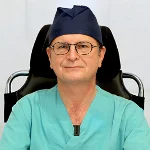
Dr. Saman Nikeghbalian is a highly esteemed general surgeon and a pioneering figure in the field of organ transplantation in […]
Iran, Shiraz
Hernia repair is one of the most common and successful surgical procedures performed worldwide. It addresses a hernia, which occurs when an internal organ or fatty tissue squeezes through a weak spot or tear in the surrounding muscle or connective tissue, most often in the abdominal wall.
Hernias are categorized by their location. The most frequent types include:
Inguinal Hernia: The most common type, where tissue protrudes through the groin. It is significantly more prevalent in men.
Femoral Hernia: A less common type that appears near the groin and upper thigh, more frequently occurring in women.
Umbilical Hernia: Occurs near the navel and is common in infants, but can also affect adults.
Incisional Hernia: Can develop at the site of a previous surgical incision.
A visible bulge or lump that may disappear when lying down and pop out when coughing or straining.
Aching pain or discomfort in the area, especially when bending over, lifting, or coughing.
A feeling of heaviness, pressure, or weakness in the abdomen.
While many hernias start as a manageable issue, they can develop into serious, life-threatening conditions if left untreated:
Incarcerated Hernia: This happens when the herniated tissue becomes trapped and cannot be pushed back into the abdomen.
Strangulated Hernia: A medical emergency where the blood supply to the trapped tissue is cut off. This can lead to tissue death (gangrene) within hours and requires immediate surgery. Symptoms include sudden, severe pain, redness or darkening of the bulge, nausea, and vomiting.
The choice between surgical techniques depends on the hernia’s type, size, the patient’s overall health, and the surgeon’s expertise.
In this traditional approach, the surgeon makes a single, larger incision directly over the hernia site.
The protruding tissue is gently pushed back into place.
The weakened muscle layer is then repaired and reinforced, most commonly using a synthetic mesh. This mesh provides a strong, supportive patch that significantly reduces the risk of the hernia returning.
The surgeon makes several very small incisions and inserts a tiny camera (laparoscope) and specialized instruments.
Guided by the video feed from the camera, the surgeon repairs the hernia from behind the abdominal wall, often placing a mesh.
Key benefits of this approach typically include less post-operative pain, smaller scars, a shorter hospital stay, and a faster return to normal activities and work.
Recovery is a gradual process, but most patients experience a significant improvement in their quality of life.
Many hernia repairs are performed on an outpatient basis, meaning you can go home the same day.
You will be advised to avoid heavy lifting and strenuous activities for several weeks to allow the repair to heal properly.
Pain is manageable with medication and subsides relatively quickly.
Most people can return to desk work within a week or two and resume all normal activities within a month.
The Bottom Line:
Modern hernia repair is a safe, routine procedure with a very high success rate and a low chance of recurrence. If you suspect you have a hernia, consulting with a general surgeon is the crucial first step. They can provide an accurate diagnosis and help you choose the best treatment path to relieve your symptoms and prevent serious complications.
Dr. Saman Nikeghbalian is a highly esteemed general surgeon and a pioneering figure in the field of organ transplantation in […]
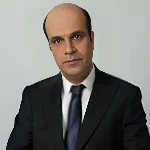
Dr. Farshad Namdari is a prominent urologist based in Tehran, Iran, specializing in urology and male infertility. His extensive education […]

Dr. Fariborz Samadi is a renowned general surgeon based in Tehran with over 15 years of experience and a strong […]

Dr. Mehrdad Rezaei is a pioneering laser proctologist and surgeon in Iran specializing in minimally invasive anorectal treatments at the Sitting Laser Treatment Center in […]
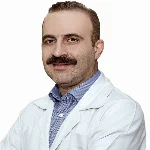
Dr. Reza Parsaei is a highly skilled laparoscopic surgeon in Tehran specializing in minimally invasive procedures with over 15 years […]