A plastic, reconstructive and burn surgeon is a medical specialist trained to repair, reshape or reconstruct tissues affected by injury, disease, congenital conditions or changes in appearance.
Although plastic surgery is often associated with cosmetic procedures such as rhinoplasty, facelifts and body contouring, reconstructive surgery is equally important. It can help restore function and appearance following burns, traumatic injuries, cancer surgery or congenital differences.
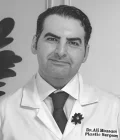
On Tabeebo, patients can discover and compare plastic and reconstructive surgeons in countries including Iran, Turkey and the United Arab Emirates, using available information about specialties, locations and professional backgrounds.
Cosmetic vs. Reconstructive Plastic Surgery
Cosmetic surgery primarily aims to change appearance, proportions or selected aesthetic features.
Reconstructive surgery focuses on repairing damaged structures, restoring function and addressing deformities associated with injuries, illness or developmental conditions.
For example, rhinoplasty may be performed primarily for appearance, while breast reconstruction following mastectomy focuses on restoring breast form after cancer treatment.
Some procedures serve both functional and aesthetic purposes.
What Procedures Do Plastic Surgeons Perform?
Facial Plastic Surgery
Depending on their training and practice, plastic surgeons may perform rhinoplasty, facelift surgery, blepharoplasty and other facial procedures.
Learn more about rhinoplasty and facelift surgery on Tabeebo.
Body Contouring and Breast Surgery
Some surgeons specialize in liposuction, abdominoplasty, body lifts, breast augmentation, reduction or reconstruction.
These procedures have different indications, risks and recovery requirements.
For example, liposuction is a body-contouring operation rather than a treatment for obesity.
Patients who have lost substantial weight may also consider reconstructive body-contouring procedures. See our guide to full body lift surgery for further information.
Reconstructive and Burn Surgery
Reconstructive surgeons may treat tissue loss after trauma, surgical defects, congenital abnormalities and burn-related scarring.
Techniques can include skin grafting, tissue expansion, reconstructive flaps and microsurgery.
In selected cases, microsurgery allows tissue to be transferred from another part of the body while reconnecting very small blood vessels.
Burn reconstruction may also address scar contractures that restrict movement.
Not every plastic surgeon performs all these procedures, and complex burn care often requires a multidisciplinary team.
Global Plastic Surgery Statistics
According to the ISAPS Global Survey 2024, released in 2025, plastic surgeons performed an estimated 17.4 million or more aesthetic surgical procedures worldwide.
The survey estimated:
| Procedure | Worldwide procedures in 2024 |
|---|---|
| Eyelid surgery | 2,115,360 |
| Liposuction | 2,087,189 |
| Scar revision | 1,156,446 |
| Rhinoplasty | 1,083,631 |
These are survey-based international estimates, not a direct count of every procedure or a measure of surgical safety.
Source: ISAPS — Global Survey 2024.
Why Does Reconstructive Burn Care Matter?
A WHO fact sheet updated in October 2026 estimated that 163,000 deaths worldwide in 2023 were attributable to fire, heat and hot substances.
This category does not capture every type of burn injury.
Survivors of severe burns may require wound care, reconstructive procedures, rehabilitation and long-term support.
Source: WHO — Burns, 2026.
How to Choose a Qualified Plastic Surgeon
Professional qualifications and procedure-specific experience are more important than advertisements or attractive before-and-after photographs.
Before choosing a surgeon, consider:
- Medical licensing and recognized specialist qualifications.
- Experience with the specific procedure you are considering.
- The hospital or surgical facility’s authorization and safety arrangements.
- Clear discussion of complications, scars and realistic outcomes.
- Availability of follow-up care after surgery.
- Transparent costs and professional communication.
The American Society of Plastic Surgeons recommends checking relevant board certification and ensuring surgery is performed in an appropriately accredited or licensed facility.
Certification systems differ between countries, so international patients should verify credentials with the relevant national authorities.
A directory listing, positive reviews or a verification badge alone cannot establish a surgeon’s suitability for a particular operation.
How Much Does Plastic Surgery Cost?
Prices depend on the type of surgery, case complexity, surgeon, anesthesia, hospital facilities and follow-up arrangements.
Patients comparing providers internationally should request a written quotation covering all expected services.
For surgery abroad, travel arrangements and access to postoperative care are also important considerations.
Frequently Asked Questions
Is plastic surgery only cosmetic?
No. Reconstructive surgery includes procedures for burns, injuries, congenital differences and tissue defects following medical treatment.
Can every plastic surgeon perform rhinoplasty or microsurgery?
Not necessarily. Surgeons have different areas of practice and experience. Verify the doctor’s qualifications for the particular procedure.
Are plastic surgery results guaranteed?
No. Outcomes vary according to the procedure, patient characteristics, healing and possible complications.
Find and Compare Plastic Surgeons on Tabeebo
Choosing a plastic surgeon requires more than selecting the lowest price or the most popular profile.
Tabeebo helps patients explore available surgeons, compare professional information and identify providers who may be relevant to their treatment needs.
A consultation with an appropriately qualified surgeon is necessary to determine whether a procedure is suitable.
Medical and Professional References
- American Society of Plastic Surgeons — What Is Plastic Surgery?
- ASPS — Member Qualifications and Patient Safety
- ISAPS — Global Survey 2024
- World Health Organization — Burns, 2026
Medical disclaimer: This page is for educational purposes and does not replace an individualized medical or surgical consultation.