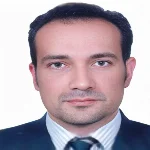
Dr. Hamidreza Hashemifard is a board-certified radiation oncologist in Tehran renowned for his expertise in: Targeted Radiotherapy (IMRT, VMAT, TomoTherapy) Chemotherapy & Immunotherapy […]
Iran, Tehran
Chemotherapy is a systemic cancer treatment that uses powerful drugs to destroy or slow the growth of rapidly dividing cancer cells. It circulates throughout the body via the bloodstream, making it effective for cancers that have spread (metastasized).
✔ Primary Treatment: For cancers highly sensitive to drugs (e.g., leukemia, lymphoma).
✔ Adjuvant Therapy: Kills residual cells after surgery/radiation.
✔ Neoadjuvant Therapy: Shrinks tumors before surgery (e.g., breast cancer).
✔ Palliative Care: Eases symptoms in advanced cancer.
| Category | Example Drugs | How They Work |
|---|---|---|
| Alkylating Agents | Cyclophosphamide | Damage the DNA to prevent replication |
| Antimetabolites | 5-Fluorouracil (5-FU) | Mimic nutrients to starve cells |
| Plant Alkaloids | Paclitaxel (Taxol) | Block cell division |
| Targeted Therapy | Trastuzumab (Herceptin) | Attack specific cancer markers |
Common:
Long-term:
Management: Anti-nausea meds, growth factor injections, cooling caps for hair preservation.
Q: Does chemo always cause hair loss?
A: No—depends on the drug (e.g., taxanes often do; targeted therapies usually don’t).
Q: Can I work during treatment?
A: Many do, but fatigue may require adjustments.
Q: How is chemo different from radiation?
A: Radiation is localized; chemo is whole-body.
Dr. Hamidreza Hashemifard is a board-certified radiation oncologist in Tehran renowned for his expertise in: Targeted Radiotherapy (IMRT, VMAT, TomoTherapy) Chemotherapy & Immunotherapy […]