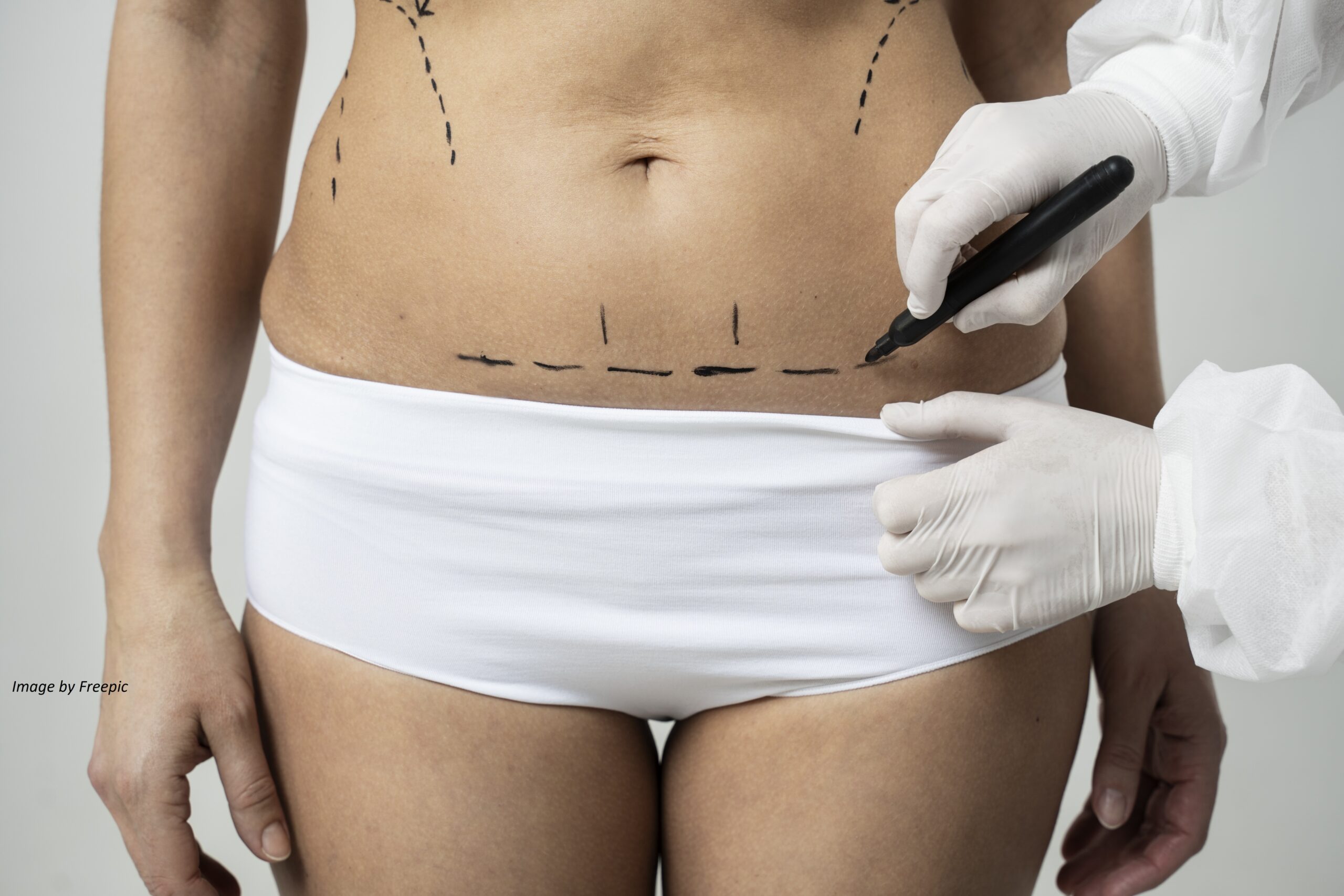
Gastric sleeve (sleeve gastrectomy) removes approximately 80% of the stomach, leaving a narrow tube-shaped section. The intestines remain connected normally, but the procedure permanently removes stomach tissue.
Roux-en-Y gastric bypass creates a small stomach pouch and redirects part of the small intestine. This limits food intake while changing nutrient absorption and gut-hormone signaling.
Gastric Sleeve vs. Bypass: Comparison Table
| Factor | Gastric sleeve | Gastric bypass |
|---|---|---|
| Surgical approach | Removes most of the stomach | Creates a small pouch and reroutes intestine |
| Long-term weight loss | Substantial | Slightly greater on average |
| Acid reflux | May develop or worsen | Often improves existing reflux |
| Diabetes remission | Effective in selected patients | Often greater metabolic benefit |
| Nutritional deficiencies | Possible | Generally higher risk |
| Dumping syndrome | Less characteristic | More common |
| Reversibility | Not reversible | Technically difficult to reverse |
| Long-term supplements | Required | Required |
The U.S. National Institute of Diabetes and Digestive and Kidney Diseases (NIDDK) provides detailed explanations of these procedures.
What Does the Latest Research Show?
A 2026 systematic review and meta-analysis of four randomized clinical trials, involving 975 patients, found that gastric bypass produced an average 3.6-percentage-point advantage in total body-weight loss after five years compared with sleeve gastrectomy.
For illustration, a 3.6-percentage-point difference corresponds to 3.6 kg for someone whose initial weight was 100 kg. It does not mean that every bypass patient loses exactly 3.6 kg more.
Which Procedure Is Better for Type 2 Diabetes?
The 2025 Oseberg randomized trial followed patients with obesity and type 2 diabetes for five years.
Using a strict remission definition (HbA1c at or below 6.0%), researchers reported:
- 50% diabetes remission after gastric bypass.
- 20% diabetes remission after sleeve gastrectomy.
- Average total weight loss of 22.2% after bypass versus 17.2% after sleeve.
However, symptomatic post-meal hypoglycemia occurred more frequently after bypass (28% versus 2%) in this trial.
These findings demonstrate why greater weight loss must be balanced against potential adverse effects.
Which Surgery Is Better for Acid Reflux?
This is one of the most important considerations.
Gastric sleeve may worsen pre-existing gastroesophageal reflux disease (GERD) or cause new reflux symptoms.
Gastric bypass often offers better reflux control and may be preferred for patients with significant GERD after appropriate investigation.
The 2025 SM-BOSS randomized trial’s 10-year results reported better reflux control after Roux-en-Y bypass, although both procedures produced substantial long-term improvements.
Who Qualifies for Bariatric Surgery?
The ASMBS/IFSO guidelines recommend metabolic and bariatric surgery for adults with:
- BMI of 35 or higher, regardless of whether other obesity-related diseases are present.
- BMI of 30–34.9 in selected patients with metabolic disease, particularly when nonsurgical treatment has not provided sufficient improvement.
Lower BMI thresholds may be appropriate for some Asian populations.
Eligibility also depends on nutritional status, other medical conditions, psychological readiness and access to long-term follow-up. Local healthcare-system criteria may differ.

Other Bariatric Surgery Options
Beyond sleeve and Roux-en-Y bypass, some patients may be considered for one-anastomosis gastric bypass (mini bypass), duodenal switch or other metabolic procedures. Gastric bands are now used less frequently in many settings.
Patients who do not currently need surgery may benefit from structured medical weight management, including appropriate anti-obesity medications.
Explore bariatric surgery and obesity treatment options on Tabeebo.
Recovery, Nutrition and Long-Term Risks
Both procedures are commonly performed laparoscopically, although individual circumstances may require a different approach.
After surgery, patients typically progress from liquids to pureed or soft foods before returning gradually to appropriately portioned solid meals.
Possible complications include bleeding, infection, blood clots, gastrointestinal leakage, ulcers and intestinal obstruction.
Long-term concerns include weight regain, nutritional deficiencies and, particularly after bypass, dumping syndrome or post-meal hypoglycemia.
Lifelong nutritional supplementation and regular blood tests are essential after both procedures. Common monitoring priorities include iron, vitamin B12, vitamin D and calcium.
These recommendations are supported by NIDDK guidance on bariatric surgery complications.
Frequently Asked Questions
Is gastric bypass always better than gastric sleeve?
No. Bypass may provide better reflux control and somewhat greater average weight loss, but sleeve avoids intestinal rerouting and may suit other patients.
Can weight return after bariatric surgery?
Yes. Some weight regain can occur after either procedure. Long-term dietary care, physical activity and follow-up remain important.
Can women become pregnant after bariatric surgery?
Yes. Pregnancy is generally planned after weight stabilizes, often at least 12–18 months after surgery, with appropriate nutritional and obstetric care.
How much does bariatric surgery cost?
Costs vary by country, surgeon, hospital, procedure and insurance coverage. Patients should request an itemized quotation covering surgery, anesthesia, hospitalization, follow-up and management of complications.
Find Bariatric Surgeons on Tabeebo
Choosing a qualified surgeon and a hospital equipped for bariatric care is essential.
On Tabeebo, you can explore general and laparoscopic surgeons and compare relevant professional experience.
Before surgery, discuss your expected outcomes, reflux history, nutritional risks and long-term care plan.