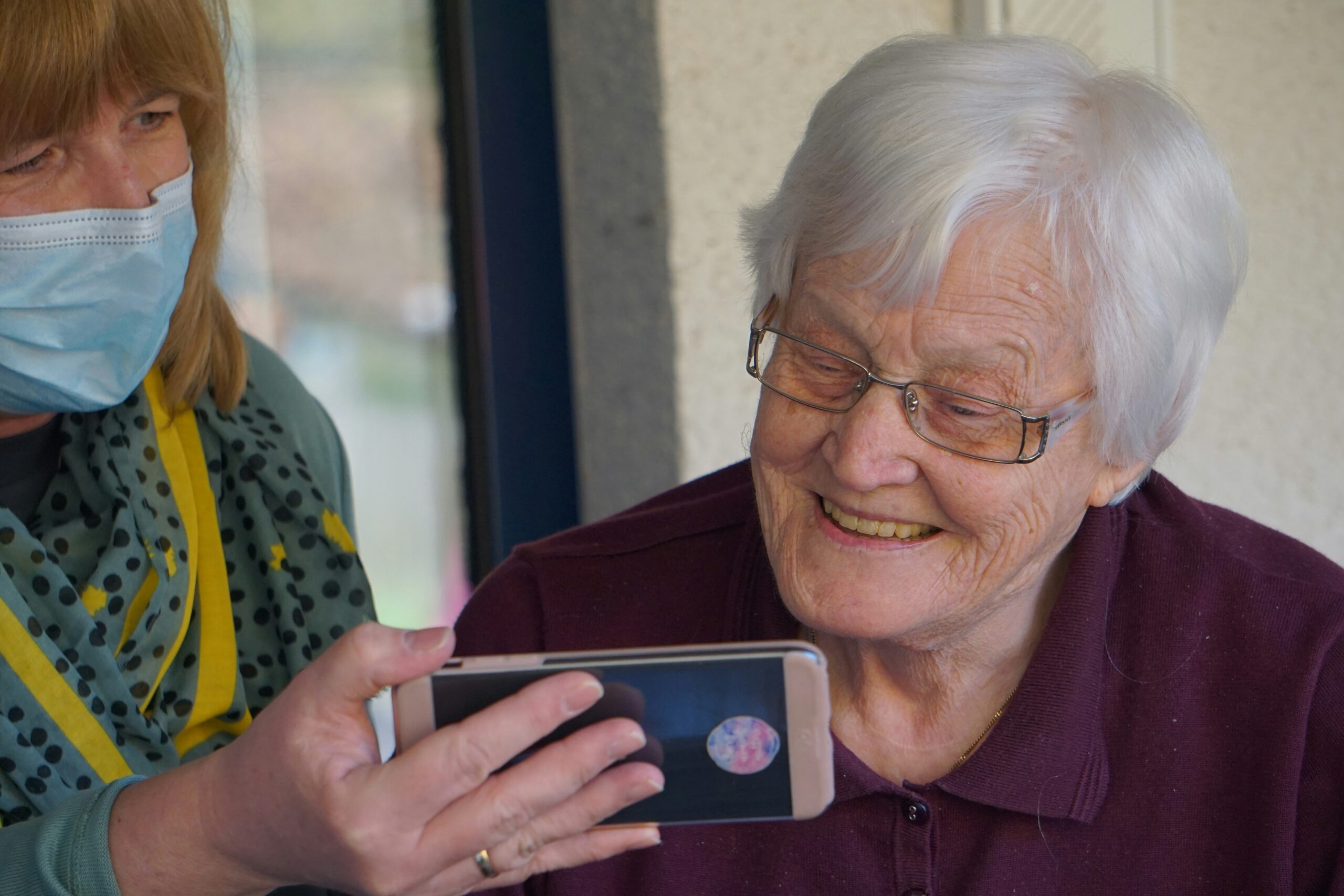
Is there finally a cure for Alzheimer’s disease? Can new medications slow memory loss? And can a blood test now identify Alzheimer’s-related changes in the brain?
Alzheimer’s research has changed significantly in recent years. Anti-amyloid medications such as lecanemab (Leqembi) and donanemab (Kisunla) have gained regulatory approval for selected patients with early symptomatic disease. At the same time, newer blood tests are making it easier for clinicians to investigate Alzheimer’s-related biology.
However, these advances should be understood accurately: as of November 2026, there is still no cure that reliably reverses Alzheimer’s disease or restores lost brain function.
In this Tabeebo guide, we examine the latest evidence on disease-modifying therapies, blood-based biomarkers, prevention, clinical trials and support for people living with Alzheimer’s.
Understanding Alzheimer’s Disease: What Happens in the Brain?
Alzheimer’s disease is a progressive neurological condition that can affect memory, language, judgment, thinking and the ability to perform everyday activities.
It is the most common cause of dementia, but Alzheimer’s and dementia are not interchangeable terms.
Dementia describes a level of cognitive impairment that interferes with daily functioning. Alzheimer’s is one of several diseases that can cause it.
Two important biological features of Alzheimer’s are:
- Amyloid-beta plaques: Abnormal accumulations of amyloid protein between nerve cells.
- Tau tangles: Abnormal changes in tau protein within neurons, associated with disrupted cellular functioning.
Other processes, including inflammation, vascular changes and neuronal injury, also contribute to the disease.
Some biological changes can begin many years before obvious memory symptoms develop.
Alzheimer’s Statistics: The Latest 2026 Data
The World Health Organization updated its global dementia fact sheet in October 2026.
| Measure | Latest reported estimate |
|---|---|
| People living with dementia worldwide in 2021 | 57 million |
| New dementia cases annually | Nearly 10 million |
| Estimated proportion of dementia cases attributable to Alzheimer’s | 60–70% |
| Americans aged 65+ with Alzheimer’s dementia in 2026 | 7.4 million |
The distinction matters: 57 million is the worldwide estimate for all dementias, not Alzheimer’s alone.
According to the Alzheimer’s Association’s 2026 report, approximately one in nine Americans aged 65 and older is living with Alzheimer’s dementia.
Sources: WHO — Dementia, October 2026 and Alzheimer’s Association — 2026 Facts and Figures.
New Alzheimer’s Treatments: What Has Actually Changed?
For many years, available medications primarily focused on managing certain cognitive and behavioral symptoms.
More recent anti-amyloid treatments aim to modify a biological process associated with Alzheimer’s.
These medications are an important development, but their demonstrated benefits are limited to specific patient populations.
1. Lecanemab (Leqembi): Slowing Decline in Early Alzheimer’s
Lecanemab is a monoclonal antibody that targets aggregated amyloid-beta.
The pivotal Clarity AD trial enrolled approximately 1,800 people with early Alzheimer’s disease.
Over 18 months, the group receiving lecanemab experienced less worsening on a clinical measure of cognition and daily functioning than the placebo group.
| Group | Average worsening on CDR-SB after 18 months |
|---|---|
| Lecanemab | 1.21 points |
| Placebo | 1.66 points |
The 0.45-point difference corresponds to approximately 27% slower decline on this scale during the trial.
That does not mean patients regained 27% of their memory, and it does not establish that treatment stops Alzheimer’s permanently.
The difference was statistically significant, although the size of the clinical benefit remains an important part of individual treatment discussions.
Source: van Dyck et al. — Lecanemab in Early Alzheimer’s Disease, NEJM.
A Major 2026 Update: Subcutaneous Lecanemab
In July 2026, the FDA approved a weekly subcutaneous starting option for lecanemab in the United States.
This allows eligible patients to begin treatment with injections under the skin instead of intravenous infusions every two weeks.
The change may reduce treatment-related travel and infusion-center visits for some patients.
However, it does not eliminate the need for appropriate patient selection, MRI monitoring or safety precautions.
Availability of the specific formulation differs between countries.
Source: Alzheimer’s Association — Subcutaneous Leqembi Approval, July 2026.
2. Donanemab (Kisunla): Another Disease-Modifying Option
Donanemab is another antibody treatment designed to clear amyloid plaques.
In the TRAILBLAZER-ALZ 2 randomized trial, 1,736 participants with early symptomatic Alzheimer’s were assigned to donanemab or placebo.
Over approximately 18 months:
- Clinical decline on the iADRS scale was about 22% slower in the overall study population.
- In the prespecified subgroup with low or medium tau pathology, decline was about 35% slower.
These estimates refer to changes on a specific clinical scale, not a percentage of lost memory restored.
The percentages also should not be used to claim that donanemab is superior to lecanemab, because the studies used different populations, measures and protocols.
Source: Sims et al. — Donanemab in Early Symptomatic Alzheimer’s Disease, JAMA.
Who Is Eligible for These New Treatments?
Anti-amyloid therapies are not intended for every person who experiences memory problems.
The primary evidence concerns patients with:
- Mild cognitive impairment attributable to Alzheimer’s or mild Alzheimer’s dementia.
- Confirmed amyloid pathology.
- Medical characteristics compatible with the treatment’s safety requirements.
- Access to specialist monitoring, including brain MRI.
These treatments have not been established as effective options for everyone with moderate or severe dementia.
The regulatory criteria also differ by jurisdiction.
For example, the European Medicines Agency’s authorizations for both lecanemab and donanemab restrict use to patients who are APOE ε4 non-carriers or heterozygotes, rather than those with two APOE ε4 copies.
US prescribing information emphasizes risk assessment and monitoring, including genetic risk discussion.
Sources: EMA — Leqembi and EMA — Kisunla.
The Most Important Safety Concern: What Is ARIA?
Anti-amyloid antibodies can cause amyloid-related imaging abnormalities (ARIA).
These can include:
ARIA-E: Brain swelling or fluid-related changes.
ARIA-H: Small areas of bleeding or blood-product deposition in the brain.
Many cases are discovered on MRI before symptoms develop.
However, some patients experience headaches, confusion, dizziness, vision changes, seizures or neurological deficits.
Rare severe and life-threatening events have also occurred.
In the pivotal donanemab trial, ARIA-related edema occurred in approximately 24% of treated participants compared with about 2% receiving placebo.
Risk can be affected by APOE ε4 status, existing brain microbleeds and certain medications, including some that affect blood clotting.
For this reason, patients require assessment and monitoring by a properly equipped specialist team.
These treatments should never be described as routine memory-enhancement injections or universally safe Alzheimer’s cures.
Sources: FDA — Leqembi Safety and FDA — Kisunla Safety.
Blood Tests for Alzheimer’s: What Is New in 2025–2026?
Blood-based biomarker testing is one of the most significant recent advances in Alzheimer’s diagnosis.
Historically, detecting amyloid or tau pathology often required more specialized procedures such as amyloid PET imaging or cerebrospinal fluid analysis.
First FDA-Cleared Blood Test: May 2025
The FDA cleared the Lumipulse G pTau217/β-Amyloid 1-42 Plasma Ratio test on May 16, 2025.
The test helps identify Alzheimer’s-associated amyloid pathology in adults aged 55 or older who have cognitive symptoms.
In the FDA-reviewed study involving 499 samples from cognitively impaired adults:
- 91.7% of people with positive results had amyloid pathology confirmed by the reference methods.
- 97.3% of people with negative results had negative reference findings.
These percentages describe performance in the evaluated population and should not be treated as universal accuracy rates.
The test is intended to support, rather than replace, clinical assessment.
Source: FDA — First Blood Test Used in Diagnosing Alzheimer’s Disease.
New FDA Clearances in August 2026
In August 2026, the FDA also cleared additional blood-based biomarker tests.
These included:
PrecivityAD2: An aid in evaluating Alzheimer’s-related pathology among adults aged 40 and older who have signs or symptoms of cognitive impairment.
Elecsys pTau217: A test designed to help evaluate amyloid-related pathology in symptomatic patients, including in primary and specialty care settings.
These developments may expand access to diagnostic information and help clinicians decide when further testing is needed.
However, blood biomarker tests are not currently recommended as general screening tools for healthy people with no cognitive symptoms.
Results must be interpreted in context, and different tests have different intended uses and limitations.
Sources: PrecivityAD2 FDA Clearance and Elecsys pTau217 FDA Clearance.
How Is Alzheimer’s Disease Diagnosed Today?
An Alzheimer’s evaluation usually involves more than a single blood test.
A clinician may assess:
- Changes in memory, language, reasoning and everyday functioning.
- Information from family members or another trusted person.
- Cognitive-test results.
- Current medications, sleep, mood and other medical conditions.
- Blood tests for potentially treatable contributors to cognitive difficulties, when indicated.
- Brain MRI or other imaging.
- Alzheimer’s biomarkers using blood, cerebrospinal fluid or PET imaging in appropriate cases.
Depression, medication side effects, thyroid disorders, vitamin deficiencies and other conditions can sometimes contribute to cognitive symptoms.
Sudden confusion, abrupt speech changes or new weakness are not typical gradual Alzheimer’s symptoms and may signal a medical emergency such as stroke.
The 2026 Prevention Findings: Could Some Dementia Be Delayed?
In July 2026, WHO released updated guidance on reducing the risk of cognitive decline and dementia.
The agency noted that up to approximately 45% of dementia risk at the population level is associated with potentially modifiable factors.
These include physical inactivity, smoking, social isolation, high blood pressure, diabetes, hearing loss and other factors.
This does not mean every individual can reduce their personal Alzheimer’s risk by exactly 45%, nor does it guarantee prevention.
It is also important to distinguish risk reduction across all dementia types from Alzheimer’s-specific prevention.
Source: WHO — Updated Dementia Risk Reduction Guidelines, July 2026.
The US POINTER Trial: What Did the 2025 Research Show?
A randomized clinical trial published in JAMA in 2025 studied 2,111 older adults considered at increased risk of cognitive decline.
Researchers compared two multidomain lifestyle approaches.
Structured Lifestyle Programme
Participants received more intensive support involving:
- Regular physical activity.
- A MIND-style eating pattern.
- Cognitive challenges and social engagement.
- Cardiovascular risk monitoring.
- Structured behavioural support.
Self-Guided Lifestyle Programme
The comparison group received education and encouragement to improve lifestyle habits with less intensive support.
After two years, both groups improved on a composite measure of global cognitive function.
The structured group showed a small but statistically significant additional benefit.
The study did not establish that the programme cures Alzheimer’s or definitively prevents future dementia.
Nevertheless, it provides randomized evidence that sustained, coordinated lifestyle changes can support cognitive functioning in at-risk older adults.
Source: Baker et al. — US POINTER Randomized Clinical Trial, JAMA 2025.
Practical Ways to Support Brain Health
Current evidence supports addressing several aspects of health rather than relying on one supposedly protective food or supplement.
| Area | Practical actions |
|---|---|
| Physical activity | Walk, cycle, swim or exercise as medically appropriate |
| Cardiovascular health | Monitor and manage blood pressure, diabetes and blood lipids |
| Hearing and vision | Seek assessment and treatment when needed |
| Nutrition | Follow a varied eating pattern with vegetables, fruit, legumes and whole grains |
| Social and mental engagement | Maintain meaningful activities, learning and social connection |
| Tobacco and alcohol | Avoid smoking and limit or avoid alcohol |
| Sleep | Address persistent sleep difficulties and possible sleep apnea |
For further guidance, see Tabeebo’s article on exercise and nutrition for health.
These steps can contribute to general health and may reduce certain dementia risks, but they do not offer guaranteed protection against Alzheimer’s.
What About Tau Treatments, Gene Therapy and Stem Cells?
Several promising research directions remain under investigation.
Anti-Tau Therapies
Researchers are studying antibodies, vaccines and other compounds designed to interfere with abnormal tau accumulation.
Tau is an important biological target, but an experimental reduction in tau-related biomarkers does not automatically establish meaningful clinical benefit.
Neuroinflammation and Immune Regulation
Scientists are exploring how immune responses in the brain influence neuronal damage.
Some therapies aim to modify inflammatory pathways, but their clinical effectiveness remains to be demonstrated in appropriate trials.
Gene Therapy
Gene-targeting technologies may eventually help researchers understand or address certain disease mechanisms.
However, experimental gene editing is not an established clinical cure for Alzheimer’s.
Stem Cell Therapy
Stem cells are useful research tools for studying disease processes and testing possible treatments.
They have not been proven to reliably replace lost neurons and restore memory in people with Alzheimer’s.
Experimental Alzheimer’s Vaccines
Therapeutic vaccines designed to target amyloid or tau are under investigation.
These are different from routine preventive vaccines and should not be presented as generally available therapies.
Promising early research is not equivalent to an approved treatment with demonstrated patient benefits.
Do Omega-3, Curcumin or Other Supplements Treat Alzheimer’s?
Omega-3 fatty acids, curcumin, resveratrol and various vitamins have been studied for potential effects on brain health.
However, there is no sufficient evidence that these supplements can reliably cure Alzheimer’s or stop its progression.
Treating a diagnosed nutritional deficiency can be medically important, but correcting a deficiency should not be confused with treating Alzheimer’s pathology.
Supplements may also interact with medications or carry risks at high doses.
Patients should discuss any proposed supplement regimen with their healthcare team.
What Treatments Still Help With Symptoms?
Traditional Alzheimer’s medicines remain relevant.
Common options include:
Donepezil, rivastigmine and galantamine: Cholinesterase inhibitors that may provide modest symptomatic benefits in suitable patients.
Memantine: A medicine used in certain cases, particularly moderate or severe Alzheimer’s disease, to help manage symptoms.
These medicines do not provide a cure or definitively halt the underlying disease process.
Non-drug approaches also matter: appropriate cognitive stimulation, regular routines, physical activity, accessible communication and treatment of pain, depression or sleep disturbances can support daily functioning.
Support for Families and Caregivers
The impact of Alzheimer’s extends beyond memory.
As the disease progresses, families may need to adapt plans for:
- Medication management and medical appointments.
- Driving and transport safety.
- Home safety and fall prevention.
- Nutrition, hydration and daily activities.
- Financial, legal and future care decisions.
- Caregiver breaks, emotional support and community resources.
Not every patient needs the same level of assistance. Support should preserve the person’s independence and dignity as much as possible.
Caregiver education and respite care can also be valuable parts of a comprehensive treatment plan.
When Should Someone See a Specialist?
Arrange medical assessment if memory or thinking problems are affecting everyday activities, including managing finances, medications, familiar tasks or finding the way in known places.
A neurologist, geriatrician or specialist memory clinic can investigate possible causes and determine which tests are appropriate.
You can explore neurologists on Tabeebo and read the platform’s Alzheimer’s disease treatment overview.
A specialist should determine whether biomarker testing or disease-modifying treatment is suitable; not every neurologist or medical facility offers these services.
Frequently Asked Questions
Is There a Cure for Alzheimer’s in 2026?
No. Approved anti-amyloid treatments can modestly slow decline in selected early-stage patients, but they have not been shown to reverse Alzheimer’s or restore lost memory.
Can Alzheimer’s Be Diagnosed With a Blood Test?
Blood biomarker tests can support diagnosis in appropriate symptomatic patients, but they are not stand-alone tests for everyone and do not replace clinical evaluation.
Is Lecanemab Better Than Donanemab?
Their pivotal clinical trials involved different measures and patient characteristics. The reported percentages should not be used as direct evidence that one medicine is superior.
Can People With Advanced Alzheimer’s Receive Anti-Amyloid Treatment?
The principal clinical evidence and regulatory indications concern early symptomatic disease. Effectiveness and safety cannot simply be assumed for advanced dementia.
Is Alzheimer’s Hereditary?
Rare inherited mutations can cause familial Alzheimer’s, but most cases do not follow a simple inherited pattern. APOE ε4 raises risk but does not determine whether someone will develop the disease.
Can Lifestyle Changes Prevent Alzheimer’s?
Addressing modifiable risk factors may reduce or delay some dementia risk, but prevention is not guaranteed and evidence varies by intervention.
Can Memory Loss Be Caused by Something Other Than Alzheimer’s?
Yes. Medication effects, depression, sleep disorders, thyroid disease, nutritional deficiencies and other conditions may contribute to cognitive symptoms.
Conclusion: Progress Without a Cure
The most significant Alzheimer’s developments through November 2026 are more accessible biomarker-based diagnostic tools and disease-modifying treatment options for carefully selected patients with early disease.
Lecanemab and donanemab have demonstrated modest slowing of clinical decline, while important risks mean they require specialist selection and monitoring.
Recent lifestyle research also provides evidence that structured, multidomain programmes can support cognitive performance in some older adults at increased risk.
The best approach combines accurate diagnosis, realistic treatment expectations, risk-factor management and meaningful support for patients and caregivers.
Through Tabeebo, readers can explore neurological services and healthcare professionals before arranging individualized medical assessment.
Scientific and Medical References
- WHO — Dementia, October 2026
- Alzheimer’s Association — 2026 Alzheimer’s Disease Facts and Figures
- van Dyck et al. — Lecanemab in Early Alzheimer’s Disease, NEJM
- Sims et al. — Donanemab in Early Symptomatic Alzheimer’s Disease, JAMA
- FDA — First Blood Test Used in Diagnosing Alzheimer’s Disease, 2025
- Alzheimer’s Association — Elecsys pTau217 Blood Test, 2026
- Alzheimer’s Association — PrecivityAD2 Blood Test, 2026
- WHO — Dementia Risk Reduction Guidelines, July 2026
- Baker et al. — US POINTER Trial, JAMA 2025
- FDA — Leqembi Safety and Clinical Trials
- FDA — Kisunla Safety and Clinical Trials
- European Medicines Agency — Leqembi
- European Medicines Agency — Kisunla
Medical disclaimer: This article is educational and does not replace individualized evaluation, diagnosis, treatment selection or medication monitoring by a qualified healthcare professional.