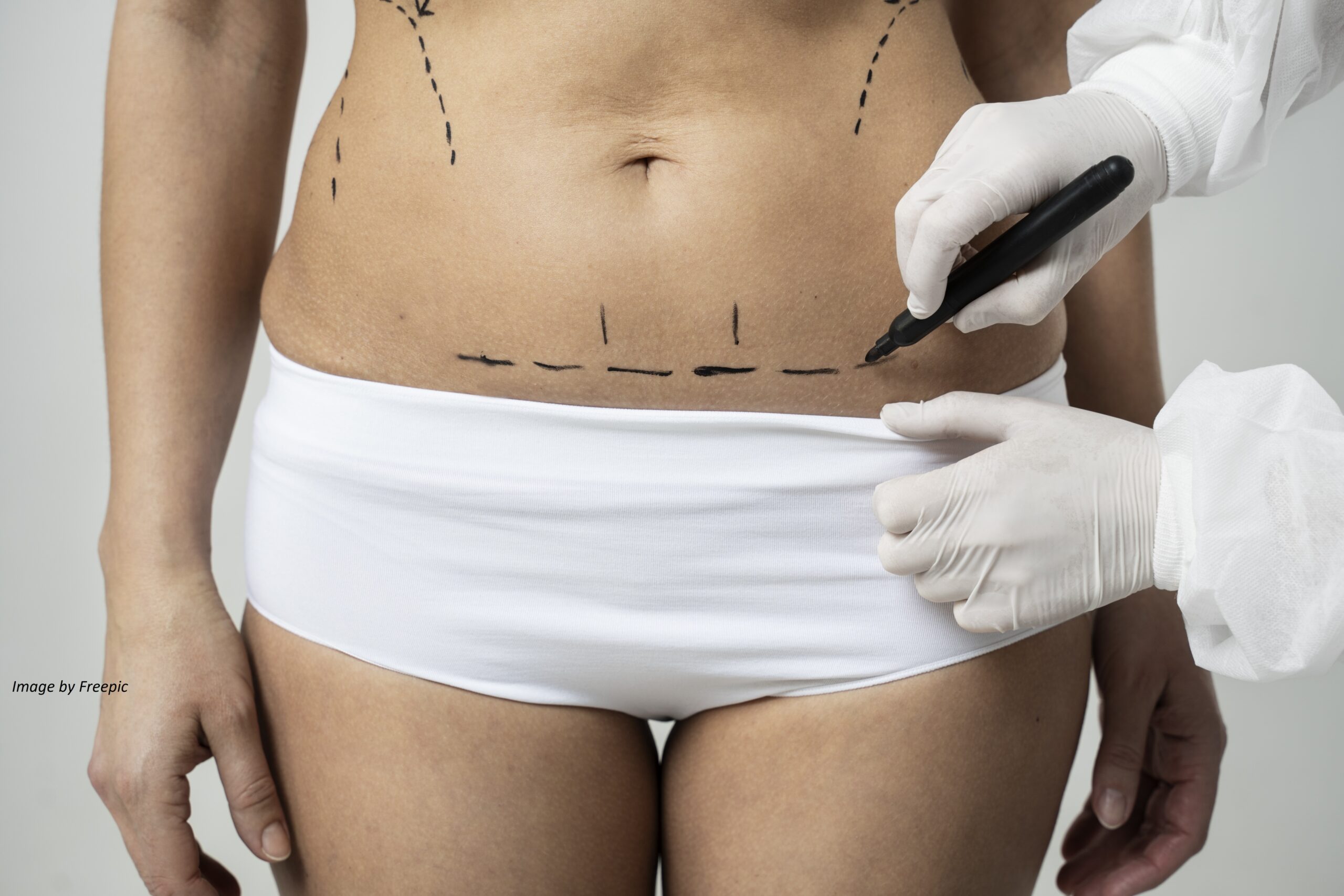
Childbirth can change the muscles, connective tissues and skin around the vaginal opening. Most of these changes are part of normal recovery, but some women experience persistent scar pain, an incompletely healed tear or a structural defect that affects everyday comfort.
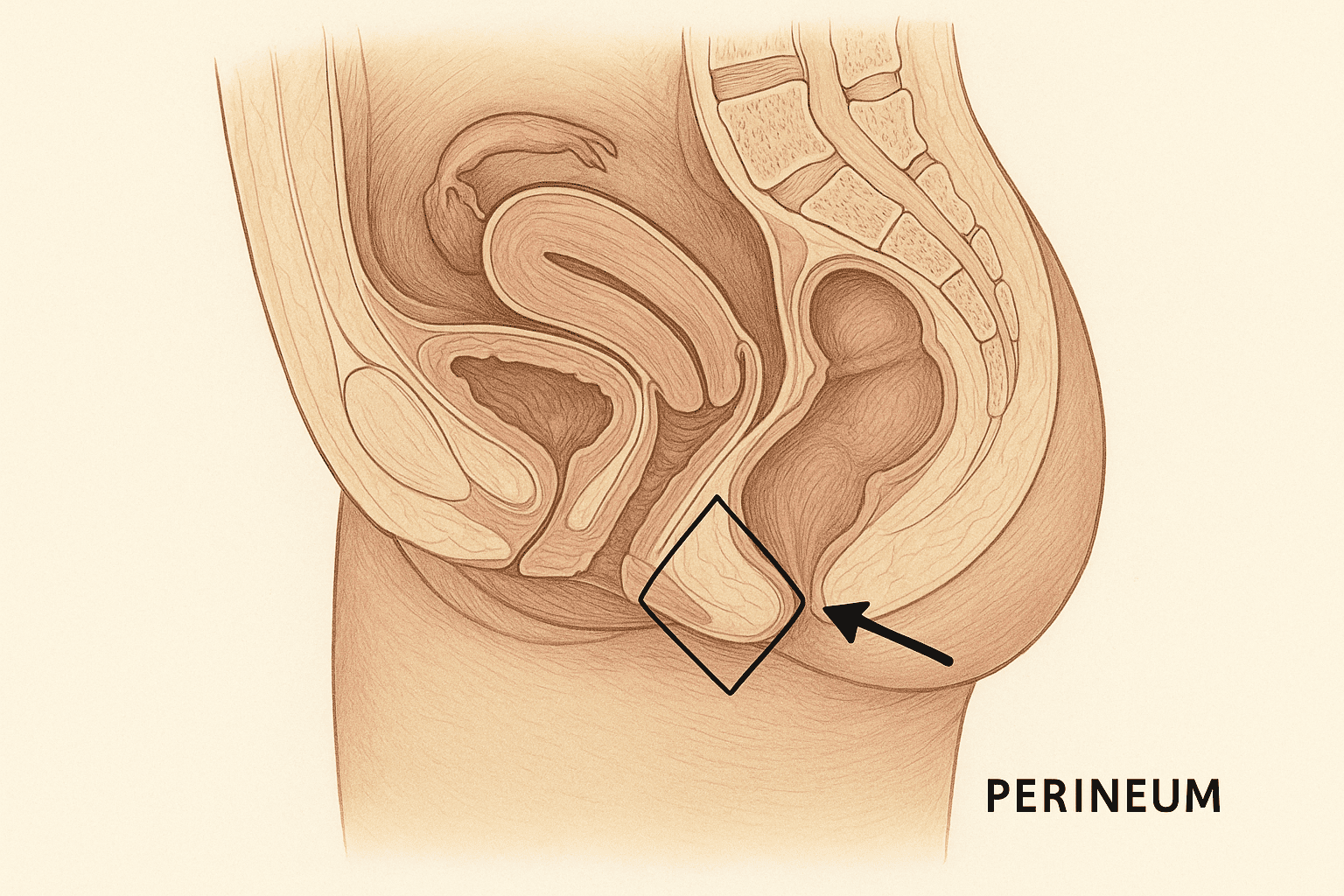
Perineorrhaphy is a surgical procedure that repairs or reconstructs the perineum—the area between the vaginal opening and the anus.
It may help selected patients with a clearly identified perineal injury. However, it is not a universal treatment for pelvic floor weakness, urinary incontinence, prolapse or sexual difficulties.
Recent clinical research also highlights an important issue: surgery may improve symptoms for some patients, while others experience persistent discomfort or complications.
This Tabeebo guide explains when perineorrhaphy may be appropriate, what studies published through 2026 show, which alternatives should be considered and how to choose a qualified surgeon.
What Is Perineorrhaphy?
The perineum contains skin, muscles and connective tissues that contribute to support around the vaginal opening.
In perineorrhaphy, a surgeon may repair separated tissues, reconstruct the perineal body or revise problematic scars.
The specific operation depends on the anatomy and the reason for surgery.
Perineorrhaphy vs. Perineoplasty: Are They Different?
These terms are frequently used interchangeably.
The Cleveland Clinic describes perineoplasty as also being known as perineorrhaphy. Both can involve repairing damaged perineal tissue.
In some clinical settings, perineorrhaphy emphasizes suturing and reconstructing the perineal body, while perineoplasty refers more broadly to reshaping or reconstructing the region.
Neither term automatically identifies the exact technique or proves that the operation is medically necessary.
A separate procedure, vaginoplasty, involves surgery on the vaginal canal. Perineal repair typically focuses on tissue near the vaginal entrance and should not be confused with internal vaginal reconstruction.
Source: Cleveland Clinic — Perineoplasty.
How Common Are Perineal Injuries After Childbirth?
The Royal College of Obstetricians and Gynaecologists (RCOG) reports that up to 9 in 10 first-time mothers who give birth vaginally experience some form of perineal tear, graze or episiotomy.
However, this figure includes minor injuries that often heal with routine care.
More serious third- or fourth-degree tears involve the anal sphincter.
According to RCOG:
| Type of childbirth | Approximate frequency of severe third- or fourth-degree tears |
|---|---|
| First vaginal birth | 6 in 100 (6%) |
| Previous vaginal birth | Fewer than 2 in 100 (under 2%) |
These statistics describe childbirth injuries—not the proportion of women who require elective perineorrhaphy.
Most childbirth-related tears do not require a separate reconstructive operation months or years later.
Source: RCOG — Perineal Tears During Childbirth.
Which Perineal Problems May Need Surgery?
A specialist may consider perineal reconstruction for selected problems, particularly when symptoms persist despite appropriate conservative care.
1. An Incompletely Healed Childbirth Tear
Some injuries leave a structural gap, separated tissue or an abnormal scar.
Symptoms may include discomfort while sitting, difficulty with certain activities or tenderness around the vaginal opening.
An examination is needed to establish whether an anatomical defect is present.
2. Persistent Painful Scarring
An episiotomy or tear can occasionally heal with a sensitive, restrictive or painful scar.
Scar revision may be an option if the scar itself is clearly contributing to symptoms and other treatments have not provided sufficient relief.
However, pain may also arise from pelvic floor muscle spasm, nerve-related conditions, hormonal changes or other causes that surgery would not correct.
3. A Perineal Body Defect
The perineal body is a region of interconnected tissues between the vagina and anus.
A documented defect may sometimes contribute to problems around the vaginal entrance.
Surgery may reconstruct the damaged tissue, but it should not be presented as automatically restoring the strength of the entire pelvic floor.
4. Surgery Performed Alongside Prolapse Repair
Perineorrhaphy may occasionally be performed with other operations, such as posterior vaginal wall repair.
But perineorrhaphy alone is not an established comprehensive treatment for uterine prolapse, urinary incontinence or anal sphincter injuries.
Those conditions require their own diagnosis and treatment plan.
What Does Recent Research Say About Results?
A 2026 Study of 40 Patients
A prospective observational study published in the Journal of the Pakistan Medical Association in April 2026 investigated sexual function in 40 women undergoing pelvic-organ-prolapse surgery.
All participants underwent perineorrhaphy alongside posterior vaginal wall repair; some also received anterior repair.
At six months:
- 27 women (67.5%) had a small increase of less than one point in the questionnaire score.
- 10 women (25%) improved by more than one point.
- 3 women (7.5%) had a lower score.
Sexual-function scores improved on average.
However, this was a small, nonrandomized study without a control group. Because patients underwent combined operations, the benefit cannot be attributed to perineorrhaphy alone.
Source: Alhaizan et al., 2026 — Sexual Function After Colporrhaphy and Perineorrhaphy.
A Smaller Study Reveals Why Risks Matter
A 2023 study examined postoperative outcomes among 23 sexually active patients who underwent surgical reduction of the vaginal opening, involving perineorrhaphy with or without additional muscle repair.
Patients reported:
| Sexual-function outcome | Number of patients |
|---|---|
| Better | 16 of 23 |
| Unchanged | 2 of 23 |
| Worse | 5 of 23 |
Two patients required another operation because the vaginal opening had become too narrow.
These results should not be generalized to every form of perineorrhaphy: the sample was small, patients underwent different techniques, and there was no randomized comparison.
Nevertheless, the findings demonstrate that greater tightness does not necessarily mean better comfort or sexual function.
Source: Functional and Sexual Outcomes Following Surgical Vaginal Introital Reduction, 2023.
Can Perineorrhaphy Improve Sexual Function?
It may improve comfort in selected patients when an identifiable scar or structural defect is causing symptoms.
But sexual health involves more than anatomy.
Pain with intercourse can be associated with tissue sensitivity, inadequate lubrication, muscle overactivity, hormonal changes, relationship concerns or other conditions.
Surgery does not reliably increase libido, guarantee sexual satisfaction or treat every cause of painful intercourse.
The American College of Obstetricians and Gynecologists (ACOG) notes that high-quality evidence supporting elective genital cosmetic procedures for sexual-function enhancement remains limited.
Patients should also be informed about the possibility of new or increased pain during intercourse.
Source: ACOG — Elective Female Genital Cosmetic Surgery.
Is Surgery Always Necessary? Non-Surgical Alternatives
Not every symptom requires perineorrhaphy.
An appropriate assessment may identify treatable causes that do not involve surgery.
Possible approaches include pelvic floor physiotherapy, supervised muscle training, scar-related rehabilitation and treatment of relevant medical conditions.
What Do Clinical Guidelines Recommend?
The UK’s National Institute for Health and Care Excellence (NICE) recommends:
| Condition | Initial treatment recommendation |
|---|---|
| Stress or mixed urinary incontinence | At least 3 months of supervised pelvic floor muscle training |
| Selected mild symptomatic pelvic organ prolapse | At least 4 months of supervised pelvic floor muscle training |
| Certain cases of prolapse | Consideration of a vaginal pessary |
These treatments are not interchangeable and must be selected according to the diagnosis.
Some patients need strengthening; others, particularly those with overactive or painful pelvic floor muscles, may need relaxation and coordination work instead.
You can explore physical therapy services on Tabeebo. Check whether the individual practitioner has specialist training in pelvic floor rehabilitation.
Source: NICE — Pelvic Floor Dysfunction: Prevention and Non-Surgical Management.
Perineorrhaphy, Pelvic Floor Therapy or Another Operation?
| Main problem | Appropriate next step |
|---|---|
| Painful perineal scar | Examine the scar and assess other possible causes of pain |
| Weak pelvic floor muscles | Consider supervised pelvic floor rehabilitation |
| Urine leakage during coughing or exercise | Evaluate urinary incontinence and consider guideline-supported treatment |
| Vaginal bulge or pressure | Assess for pelvic organ prolapse |
| Difficulty controlling bowel movements after childbirth | Evaluate for an anal sphincter injury or another bowel disorder |
| Persistent anatomical perineal defect | Discuss whether targeted surgical reconstruction is appropriate |
The key is to identify the underlying problem before choosing a procedure.
What Happens Before and During Perineorrhaphy?
A consultation should include a discussion of symptoms, childbirth history, previous repairs, future pregnancy plans and expectations.
The clinician may examine the perineal body, vaginal entrance, scar tissue and pelvic floor function.
If bowel leakage or a previous severe tear is suspected, further specialist assessment may be required.
During surgery, a clinician may revise scar tissue, repair disrupted structures and close the wound using sutures.
The procedure may be performed with local, regional or general anesthesia, depending on the technique and accompanying operations.
There is no universal surgical duration or standardized technique for all patients.
For a concise procedure overview, see Tabeebo’s perineorrhaphy treatment page.
Recovery After Perineorrhaphy
The Cleveland Clinic describes a typical recovery period of approximately six to eight weeks for perineoplasty, although more complex operations can require a different recovery plan.
| Recovery stage | Common considerations |
|---|---|
| First few days | Tenderness, swelling and wound care |
| First 4 weeks | Limiting heavy lifting and strenuous activity as advised |
| At least 6 weeks | Avoiding vaginal penetration, including intercourse and tampon use, unless the surgeon provides different instructions |
| Around 6–8 weeks | Follow-up assessment of healing and gradual return to activities |
Avoiding constipation, following hygiene instructions and attending postoperative reviews can support recovery.
Do not resume intercourse solely because a fixed number of weeks has passed; healing and comfort should be assessed individually.
Source: Cleveland Clinic — Perineoplasty Recovery.
Possible Risks and Complications
Perineorrhaphy carries the usual risks of surgery, including bleeding, infection and wound-healing difficulties.
Specific concerns include painful scarring, altered sensation, adhesions, excessive narrowing, persistent pain during intercourse and the possibility of additional surgery.
Treatment may also fail to resolve the original symptom if its cause was incorrectly identified.
A surgeon should explain what improvement is realistically expected, what remains uncertain and which complications require urgent assessment.
When Should You Seek Medical Attention?
Arrange an appropriate evaluation if you experience persistent pain, a nonhealing wound, a new pelvic bulge or symptoms of urinary or bowel dysfunction after childbirth.
Seek urgent medical care for severe or increasing pain, fever, heavy bleeding, significant wound discharge or an inability to pass urine.
New loss of bowel control after a childbirth injury warrants specialist assessment rather than being assumed to require routine perineorrhaphy.
How Much Does Perineorrhaphy Cost?
Costs vary by country, surgeon, facility, anesthesia and whether the procedure is performed separately or with other reconstructive surgery.
The medical indication may also influence insurance coverage.
Before proceeding, request a written estimate that includes the operation, anesthesia, hospital costs, follow-up and management of possible complications.
For international patients, postoperative access to the surgeon and continuity of care are particularly important.
How to Choose a Qualified Specialist
Perineal reconstruction may be performed by appropriately trained gynecologic surgeons, including clinicians with expertise in urogynecology or pelvic floor reconstruction.
Before choosing a provider, ask about professional licensing, experience with childbirth-related perineal defects, complication management and the availability of nonsurgical assessment.
Tabeebo allows you to explore obstetricians and gynecologists and compare available professional information.
A general OB/GYN listing does not automatically establish that a clinician performs complex perineal reconstruction. Confirm relevant expertise directly.
Frequently Asked Questions
Is perineorrhaphy the same as vaginal tightening?
No. Perineorrhaphy is a surgical repair of tissues around the perineum. Marketing terms such as vaginal tightening or rejuvenation do not accurately describe a specific medical diagnosis or technique.
Does perineorrhaphy cure urinary incontinence?
Not reliably. Urinary leakage has different causes and requires an appropriate assessment and treatment plan.
Will surgery improve sexual satisfaction?
It may improve comfort when a particular structural problem is successfully repaired, but sexual satisfaction cannot be guaranteed and pain may worsen in some patients.
Can I have another vaginal birth after perineorrhaphy?
Possibly. Future delivery planning depends on the original injury, the type of repair and any anal sphincter involvement. A cesarean birth is not automatically required after every perineal repair.
Is perineorrhaphy necessary after every childbirth tear?
No. Most tears are repaired as necessary at childbirth and heal without requiring delayed elective reconstruction.
Conclusion: Treat the Cause, Not Just the Appearance
Perineorrhaphy may be a useful reconstructive option for selected patients with a documented perineal defect or problematic scar.
However, it is not a general cure for pelvic floor weakness, urinary leakage, prolapse or reduced sexual sensation.
The most important step is identifying the true cause of symptoms and discussing conservative care, surgical options and realistic outcomes with an appropriately qualified clinician.
Through Tabeebo, patients can explore gynecology services, pelvic health treatments and relevant specialists before arranging an individualized consultation.
Medical and Scientific References
- RCOG — Perineal Tears During Childbirth
- RCOG — Third- and Fourth-Degree Tears
- Alhaizan et al. (2026) — Sexual Function After Colporrhaphy and Perineorrhaphy
- Functional and Sexual Outcomes Following Surgical Vaginal Introital Reduction (2023)
- NICE — Pelvic Floor Dysfunction: Prevention and Non-Surgical Management
- Cleveland Clinic — Perineoplasty: Purpose, Surgery, Risks and Recovery
- ACOG — Elective Female Genital Cosmetic Surgery
Medical disclaimer: This article provides educational information and does not replace an individualized gynecological or pelvic floor assessment.