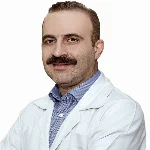
Dr. Reza Parsaei is a highly skilled laparoscopic surgeon in Tehran specializing in minimally invasive procedures with over 15 years […]
Iran, Tehran
Laparoscopic surgery, often called minimally invasive surgery or “keyhole surgery,” is an advanced surgical technique that has revolutionized how many operations are performed. Instead of the large, single incision required in traditional open surgery, this approach uses several very small incisions (typically between 0.5 and 1 centimeter each).
A thin tube called a laparoscope—equipped with a high-definition camera and a light—is inserted through one of these incisions. This transmits a magnified, real-time video of the internal organs onto a monitor in the operating room, allowing the surgeon to perform the procedure with exceptional precision.
Laparoscopic surgery is a cornerstone of modern gynecologic care, offering a superior alternative for a wide range of procedures:
Hysterectomy: Removal of the uterus (either partially or completely).
Myomectomy: Removal of uterine fibroids while preserving the uterus.
Treatment of Endometriosis: Locating and excising or ablating endometrial tissue growing outside the uterus.
Ovarian Cyst Removal: Safely draining or removing cysts from the ovaries.
Tubal Ligation: A permanent form of birth control.
Fertility Surgery: Addressing issues like blocked fallopian tubes or ovarian disorders.
Pelvic Organ Prolapse Repair.
Patients who are candidates for this approach experience significant advantages over traditional open surgery:
Minimal Scarring: The tiny incisions often heal to become nearly invisible lines, compared to a large abdominal scar.
Less Post-Operative Pain: Reduced trauma to muscles and tissues means patients typically require less pain medication.
Lower Risk of Infection: Smaller wounds have a decreased risk of surgical site infections.
Shorter Hospital Stay: Many procedures are performed on an outpatient basis or require only a single overnight stay.
Faster Recovery and Return to Normal Life: Patients can often return to work and daily activities within days or a couple of weeks, rather than the months sometimes needed for open surgery recovery.
Reduced Internal Scarring (Adhesions): The minimally invasive technique can lead to less internal scar tissue formation.
To create a safe working space and a clear view, the abdomen is gently inflated with sterile carbon dioxide gas. This lifts the abdominal wall away from the organs. Guided by the live video feed, the surgeon inserts specialized, long-handled instruments through the other small incisions to perform the operation with meticulous control.
While not suitable for every condition or patient, laparoscopic surgery has become the gold standard for numerous gynecologic and general surgical procedures. Its benefits in reducing patient discomfort and speeding recovery are well-documented.
If you require surgery, ask your gynecologist or general surgeon if a laparoscopic approach is a viable option for your specific condition. It represents a major advancement in surgical care, prioritizing patient comfort, safety, and a swift return to health.
Dr. Reza Parsaei is a highly skilled laparoscopic surgeon in Tehran specializing in minimally invasive procedures with over 15 years […]

Dr. Saeed Zand is a distinguished Urologist in Tehran, Iran, with a wealth of experience and specialization in Intrarenal, Urinary, […]
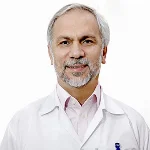
Dr. Karamollah Toolabi is a distinguished General Surgeon and a pioneer in the field of laparoscopic surgery in Iran. As […]

Dr. Azita Zahirnia is a highly experienced Obstetrician and Gynecologist in Hamedan, actively practicing since 2005. She provides dedicated care […]

Dr. Fatemeh Bakhtiari Ghale is a renowned obstetrician and gynecologist based in Tehran, specializing in infertility, laparoscopy, and IVF treatments. […]