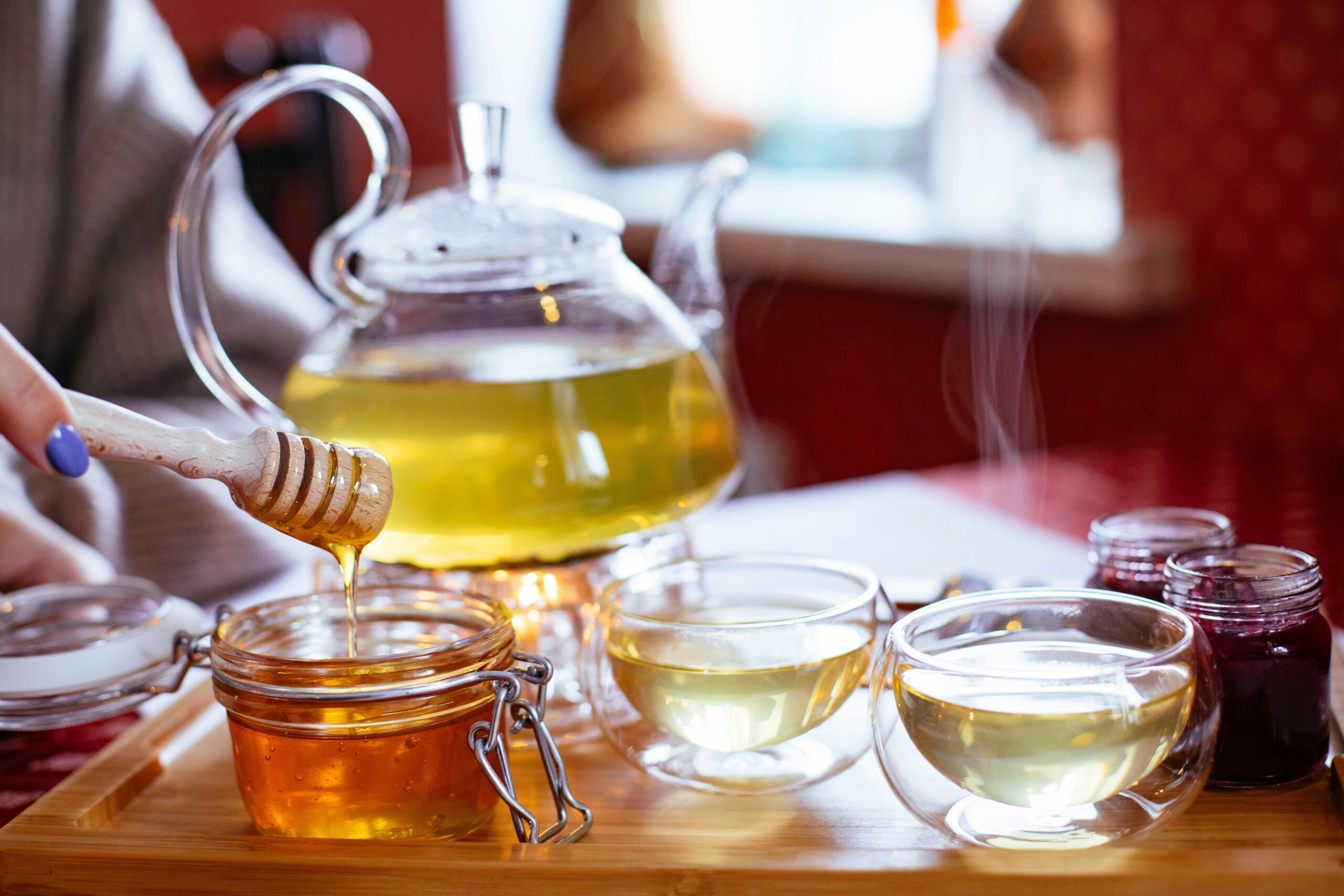
Ayurveda, also known as Ayurvedic medicine, is a traditional medical system that originated in India and developed over thousands of years. It emphasizes relationships between diet, lifestyle, physical health and mental well-being.
Its practices include herbal preparations, dietary recommendations, massage, traditional cleansing procedures and mind-body activities.
Today, Ayurveda attracts interest from people seeking complementary approaches to health. However, not all Ayurvedic treatments have demonstrated clinical effectiveness, and some preparations carry significant safety risks.
Does Ayurvedic medicine actually work? What are the three doshas? Is Panchakarma an effective detoxification treatment? And what does scientific research reveal about Ayurvedic herbs?
This updated Tabeebo guide explores Ayurveda’s history, traditional concepts, treatment methods, evidence and safety considerations.
History of Ayurvedic Medicine
The word Ayurveda comes from Sanskrit and is commonly translated as “knowledge of life.”
The tradition developed in ancient India, with ideas associated with Vedic culture and later medical writings.
Two influential texts include:
Charaka Samhita: A classical work describing traditional medical theory, disease patterns, medicines and patient care.
Sushruta Samhita: An important historical medical text containing discussions of illness, treatment and surgical practices.
Both works developed through multiple historical layers and revisions. Their complete contents should not be attributed to one precisely established ancient date.
Ayurveda continues to be taught and practiced in India and is the subject of medical research.
Its historical importance, however, should be distinguished from scientific evidence supporting individual treatments.
The Three Doshas: Vata, Pitta and Kapha
Ayurvedic theory traditionally describes five basic elements: earth, water, fire, air and space.
These are associated with three fundamental concepts called doshas.
| Dosha | Traditional elements | Functions traditionally associated with it |
|---|---|---|
| Vata | Air and space | Movement, breathing and bodily activity |
| Pitta | Fire and water | Heat, digestion and metabolism |
| Kapha | Earth and water | Structure, stability and moisture |
An individual’s traditional constitutional pattern is known as Prakriti, while changes in dosha balance are often described as Vikriti.
Within Ayurveda, practitioners may use these classifications to guide lifestyle and treatment recommendations.
However, doshas have not been established as independently measurable biological systems or validated diagnostic categories in modern medicine.
They should not replace clinical testing or established diagnostic methods for conditions such as diabetes, thyroid disease or inflammatory disorders.
How Does Ayurvedic Diagnosis Work?
Traditional Ayurvedic assessment may involve examining the pulse, tongue, skin, appearance, eating habits, sleep and emotional well-being.
One technique, known as Nadi Pariksha, interprets pulse characteristics in relation to the doshas.
Such methods reflect Ayurvedic diagnostic traditions, but their use does not independently establish the presence or cause of a medical disease.
Persistent symptoms such as unexplained weight loss, fatigue, severe pain or changes in neurological function require appropriate medical evaluation.
Main Ayurvedic Treatments and Practices
1. Ayurvedic Herbal Medicine
Herbal preparations are a central part of Ayurveda.
Products may contain individual plants, combinations of herbs, minerals or other ingredients.
Three commonly discussed formulations or ingredients are:
Ashwagandha: Traditionally used for several purposes, including stress-related complaints. Small studies suggest possible short-term benefits for stress and sleep, but the evidence remains limited.
Ashwagandha can interact with certain medications and has been linked to rare cases of liver injury. It should be avoided during pregnancy and is not recommended for some people with thyroid or autoimmune disorders.
Turmeric and curcumin: Turmeric contains curcumin, a compound studied for its potential anti-inflammatory properties.
Some research suggests possible benefits for symptoms of knee osteoarthritis, but higher-quality evidence is needed. Highly bioavailable curcumin supplements have also been associated with liver injury in some users.
Triphala: A traditional combination of three fruits, commonly promoted for digestive health. Clinical evidence remains insufficient to substantiate many of its proposed therapeutic uses.
Importantly, adding turmeric or another herb to food is not equivalent to taking a concentrated supplement.
Sources: NCCIH — Ashwagandha and NCCIH — Turmeric.
2. Ayurvedic Dietary Practices
Ayurvedic dietary recommendations are traditionally individualized according to dosha classifications, seasons and personal habits.
For example, someone classified as having a predominantly Pitta constitution may be advised to reduce certain spicy foods.
Some recommendations, such as dietary variety, consistent meals and avoiding excessive intake, overlap with general healthy-living advice.
However, balancing the doshas through particular food categories has not been established as an effective medical treatment for specific diseases.
Patients with diabetes, kidney disease, nutritional deficiencies or other medical conditions should follow dietary advice appropriate to their clinical needs.
3. Panchakarma: Traditional Cleansing or Proven Detoxification?
Panchakarma is a collection of traditional Ayurvedic procedures frequently advertised as a form of detoxification.
Depending on the tradition and treatment program, it may involve induced vomiting, purgation, enemas, nasal administration and related interventions. Oil massage may also form part of the treatment process.
However, there is no convincing high-quality clinical evidence that Panchakarma generally removes unspecified toxins from the body.
The liver, kidneys and other organs already perform essential functions involved in processing and eliminating waste products.
Aggressive cleansing procedures may cause dehydration, electrolyte disturbances, gastrointestinal injury or infection.
Panchakarma should not be described as a medically proven detoxification program.
Patients should be cautious about treatments that involve invasive procedures, prolonged fasting or strong laxatives without appropriate medical supervision.
4. Ayurvedic Massage and Oil Treatments
Traditional Ayurvedic massage practices include Abhyanga, which generally involves applying oils while massaging the body.
Massage may help some people feel relaxed or experience temporary relief from muscular discomfort.
However, those effects should not be interpreted as evidence that massage cures autoimmune arthritis, diabetes or neurological disease.
Herbal oils can also cause skin reactions, and certain massage techniques may be unsuitable for people with acute injuries, suspected fractures or vascular disorders.
5. Yoga and Meditation
Yoga and Ayurveda share aspects of India’s historical intellectual and cultural traditions, but they are distinct practices.
Modern yoga commonly combines physical postures, breathing and attention.
Its effects have been investigated separately in clinical studies.
A Cochrane Review Involving 2,223 Participants
A 2022 Cochrane review examined 21 randomized trials involving 2,223 adults with chronic nonspecific low-back pain.
Researchers found that yoga probably resulted in small improvements in pain and back-related function compared with not exercising.
However, its benefits were not clearly superior to those of other back-focused exercise programs.
This suggests yoga may be a useful physical activity for some individuals with persistent back pain.
It does not demonstrate that Ayurvedic herbal treatments or dosha-based diagnosis are effective.
Source: Cochrane — Yoga for Chronic Nonspecific Low-Back Pain.
For more about yoga styles and their historical development, see Tabeebo’s guide to yoga, its origins and practices.
Does Ayurvedic Medicine Work? What Clinical Research Shows
The evidence for Ayurveda varies widely between individual products and treatment methods.
According to the US National Center for Complementary and Integrative Health (NCCIH), a limited number of clinical trials have suggested potential benefits for certain health conditions.
However, many studies are small or have methodological limitations.
A Trial of 440 Patients With Knee Osteoarthritis
A 2013 clinical trial included 440 people with knee osteoarthritis.
Researchers compared two Ayurvedic herbal formulations with glucosamine sulfate and the prescription medicine celecoxib.
The treatment groups showed similar reported improvements in pain and physical function during the study.
These findings are worth investigating further, but they do not prove that all Ayurvedic formulations are equivalent to conventional medications.
A single study also cannot establish the safety of long-term treatment in a broad patient population.
NCCIH additionally discusses small studies investigating Ayurvedic approaches for rheumatoid arthritis and type 2 diabetes, but the limitations of the available evidence prevent firm conclusions.
Source: NCCIH — Ayurvedic Medicine: In Depth.
People experiencing persistent joint or musculoskeletal pain should first obtain an appropriate diagnosis. Tabeebo provides information about chronic pain management and physical therapy as part of broader healthcare options.
Are Ayurvedic Medicines Safe? Heavy Metals and Other Risks
One of the most important concerns involves the safety of certain Ayurvedic products.
Some traditional formulations intentionally contain minerals or metals, while others may become contaminated during manufacturing.
The US Food and Drug Administration (FDA) has warned that certain unapproved Ayurvedic products contain harmful levels of:
- Lead
- Mercury
- Arsenic
Exposure to toxic levels of these substances can cause kidney damage, neurological symptoms, high blood pressure, abdominal pain and other serious health problems.
In a recent safety investigation, the FDA identified elevated heavy metals and additional toxic compounds in an Ayurvedic product purchased online.
This does not mean all Ayurvedic medicines contain dangerous substances, but it demonstrates why product quality and regulatory oversight matter.
The FDA also states that no Ayurvedic products are approved by the agency as drugs in the United States. Regulatory arrangements may differ in other countries.
Source: FDA — Heavy Metal Poisoning Associated With Certain Ayurvedic Products.
Other Safety Considerations
Herbal products can also interact with medicines used for blood pressure, diabetes, thyroid disorders and other conditions.
Certain supplements may cause liver injury or other adverse effects.
People who are pregnant or breastfeeding, have liver or kidney disease, or use multiple prescription medications should obtain medical advice before taking Ayurvedic products.
Natural ingredients are not automatically safe, especially when taken in concentrated doses.
What Is the WHO’s Position on Ayurveda and Traditional Medicine?
In October 2025, the World Health Organization published its Global Traditional Medicine Strategy 2025–2034.
The strategy emphasizes:
- Strengthening scientific evidence.
- Improving safety and regulation.
- Supporting appropriate, evidence-based integration into healthcare systems.
- Encouraging responsible collaboration and health-system development.
This reflects growing international attention to traditional and complementary healthcare.
However, the WHO’s policy work does not mean it has confirmed that all Ayurvedic remedies are safe or effective.
Each treatment must still be assessed according to its intended medical use, supporting evidence and potential risks.
Source: WHO — Global Traditional Medicine Strategy 2025–2034.
Ayurveda vs. Traditional Chinese and Persian Medicine
Ayurveda shares certain historical features with other traditional medical systems, but their theoretical frameworks differ.
| Feature | Ayurveda | Traditional Chinese Medicine | Persian Traditional Medicine |
|---|---|---|---|
| Historical origin | India | China | Iran |
| Main traditional concepts | Vata, Pitta and Kapha | Qi, yin and yang | Humors and temperament |
| Common practices | Herbs, dietary therapy, massage, Panchakarma | Acupuncture, herbs, Tui Na | Herbal preparations, dietary practices, manual therapies |
| Scientific evaluation | Depends on the individual treatment | Depends on the individual treatment | Depends on the individual treatment |
Ayurveda also differs from homeopathy, which is based on principles such as “like cures like” and extreme dilution. Reliable evidence does not support homeopathy as an effective treatment for medical conditions.
For related historical comparisons, explore Tabeebo’s articles about traditional Chinese medicine and Persian traditional medicine.
What Should You Check Before Trying Ayurvedic Treatment?
Before using Ayurvedic products or services, consider the following:
- Scientific evidence: Is there reliable research supporting the treatment for your specific condition?
- Product safety: Are the ingredients, manufacturer and quality controls identifiable?
- Medication interactions: Could the product interfere with prescribed treatment?
- Professional qualifications: Is the practitioner appropriately trained and authorized under local regulations?
- Medical follow-up: Is there a plan for monitoring side effects or complications?
- Treatment continuity: Could using the remedy delay or replace necessary medical treatment?
People with serious or persistent symptoms should not postpone medical diagnosis in favor of unproven approaches.
Frequently Asked Questions About Ayurveda
Is Ayurveda Scientifically Proven?
Not as an entire medical system. Some individual remedies and related practices have been investigated, but evidence is limited or uncertain for many proposed treatments.
Can Ayurveda Treat Diabetes or Arthritis?
Certain Ayurvedic formulations have been studied for these conditions, but the available evidence does not justify replacing established medical treatments.
Does Panchakarma Remove Toxins From the Body?
There is insufficient reliable clinical evidence supporting broad claims that Panchakarma removes unspecified toxins. Some procedures may also carry health risks.
Are Ayurvedic Herbal Medicines Safe?
Not necessarily. Some products have been associated with heavy metal contamination, liver injury or medication interactions.
Can Ayurveda Be Used Alongside Conventional Medicine?
Some complementary approaches may be appropriate in specific circumstances, but the safety and evidence should be reviewed with a healthcare professional. Prescribed treatment should not be stopped without medical advice.
How Long Does Ayurvedic Treatment Take to Work?
There is no scientifically established timeline applicable to Ayurveda as a whole. Any measurable benefit depends on the specific treatment, condition and evidence supporting it.
Conclusion: Ayurveda’s Role in Modern Healthcare
Ayurveda is an important part of India’s medical and cultural heritage, with traditions involving dietary practices, herbal preparations, massage and lifestyle guidance.
Modern clinical research has investigated several Ayurvedic products and related practices, but the evidence varies considerably.
Some findings are encouraging, particularly in limited studies of certain herbal preparations, while many claims remain unproven.
Safety is equally important. Certain products may contain toxic metals or interact with prescription medications, and intensive cleansing procedures can carry their own risks.
A responsible approach respects Ayurveda’s historical significance while evaluating individual treatments through reliable scientific evidence, appropriate regulation and medical supervision.
Through Tabeebo, readers can explore options for chronic pain management, physical therapy and relevant healthcare professionals.
Scientific and Medical References
- National Center for Complementary and Integrative Health — Ayurvedic Medicine: In Depth.
- US Food and Drug Administration — Heavy Metal Poisoning Associated With Certain Ayurvedic Products.
- NCCIH — Ashwagandha: Usefulness and Safety.
- NCCIH — Turmeric: Usefulness and Safety.
- Cochrane, 2022 — Yoga for Chronic Nonspecific Low-Back Pain.
- World Health Organization, 2025 — Global Traditional Medicine Strategy 2025–2034.
Medical disclaimer: This article is for educational purposes only and does not replace individualized medical diagnosis, advice or treatment.