Traditional Chinese Medicine (TCM) is a collection of medical traditions and practices that developed over centuries in China. Its best-known approaches include acupuncture, Chinese herbal medicine, Tui Na massage, tai chi, qigong and dietary therapy.
Today, some of these practices are used as complementary approaches alongside conventional medical care. However, the evidence supporting them varies considerably. Certain techniques, particularly acupuncture and tai chi, have shown benefits for specific conditions, while others remain insufficiently studied.
So, does traditional Chinese medicine actually work? Which treatments have scientific support, and what are the possible risks?
In this updated Tabeebo guide, we explore TCM’s history, traditional principles, major treatments, safety considerations and findings from modern clinical research.
A Brief History of Traditional Chinese Medicine
Traditional Chinese medicine has roots extending back more than 2,000 years. Its development reflects a combination of medical observations, cultural traditions, philosophical ideas and changes in Chinese society.
Importantly, TCM is not a single, unchanged medical system. Different practices evolved across historical periods, and the system known internationally as TCM today reflects both historical traditions and more recent standardization.
Three Influential Medical Texts
1. Huangdi Neijing — The Yellow Emperor’s Classic of Internal Medicine
The Huangdi Neijing is one of the most influential texts in Chinese medical history.
Although traditional accounts associate it with the legendary Yellow Emperor around 2600 BCE, historians generally date its compilation to a much later period, broadly around the Warring States and Han dynasties.
The text describes traditional ideas about health, disease, body functions, yin and yang, and relationships between people and their environment.
2. Shang Han Lun — Treatise on Cold Damage
Traditionally attributed to Zhang Zhongjing, this classical work discusses patterns of illness and approaches to treatment.
It became particularly influential in the development of Chinese herbal formulas and traditional diagnostic classifications.
3. Bencao Gangmu — Compendium of Materia Medica
Compiled by Li Shizhen in the 16th century, this extensive work describes numerous medicinal substances and their traditional applications.
It remains historically important as a record of Chinese pharmacological knowledge.
However, historical use does not independently demonstrate that a remedy is effective or safe according to modern clinical standards.
Historical reference: Library of Congress — Huangdi Neijing.

Core Principles of Traditional Chinese Medicine
TCM uses several philosophical concepts to explain health and illness.
Yin and Yang
Yin and yang represent contrasting but complementary qualities within traditional Chinese philosophy.
In TCM, illness may be interpreted as an imbalance between these qualities.
Qi — Vital Energy
Qi, often pronounced chee, is traditionally described as a form of vital energy.
According to TCM theory, qi travels through pathways known as meridians, and disruptions in its movement may contribute to illness.
However, qi and meridians have not been established as distinct physical structures in modern biomedical anatomy.
The Five Elements
Traditional Chinese theory uses five elements or phases—wood, fire, earth, metal and water—to describe patterns and relationships involving the body and the natural world.
These ideas have cultural and historical significance, but they should not be confused with scientifically established models of human physiology.
Main Types of Traditional Chinese Medicine Treatments
TCM includes several practices with different mechanisms, applications and levels of scientific support.
1. Acupuncture
Acupuncture involves inserting thin needles through the skin at selected points.
In traditional explanations, the practice is intended to regulate qi. Modern researchers have investigated its potential effects on pain processing, the nervous system and other physiological pathways.
According to the US National Center for Complementary and Integrative Health (NCCIH), acupuncture may help with certain conditions, including some forms of chronic back pain, neck pain, knee osteoarthritis pain and headache.
However, results vary by condition, and some studies find relatively small differences between real and simulated acupuncture.
What Does Research Say About Acupuncture for Migraine?
A Cochrane systematic review examined 22 clinical trials involving 4,985 participants to assess acupuncture for preventing migraine attacks.
Among trials comparing acupuncture added to usual care with usual care alone:
| Outcome | Acupuncture + usual care | Usual care alone |
|---|---|---|
| Patients achieving at least a 50% reduction in headache frequency | 41 in 100 | 17 in 100 |
In studies comparing genuine acupuncture with simulated acupuncture, approximately 50 in 100 participants receiving genuine acupuncture experienced this improvement, compared with 41 in 100 receiving simulated treatment.
These findings suggest acupuncture may be a useful preventive option for some people with migraine. They also show why comparisons with simulated treatment are important when interpreting the results.
The review included research available through January 2016, so it should not be described as a new 2026 clinical trial.
Source: Cochrane — Acupuncture for Preventing Migraine Attacks.
For persistent pain, acupuncture should be considered in the context of a broader medical assessment. Read more about chronic pain management and available treatment options on Tabeebo.
2. Chinese Herbal Medicine
Herbal medicine is another major component of TCM.
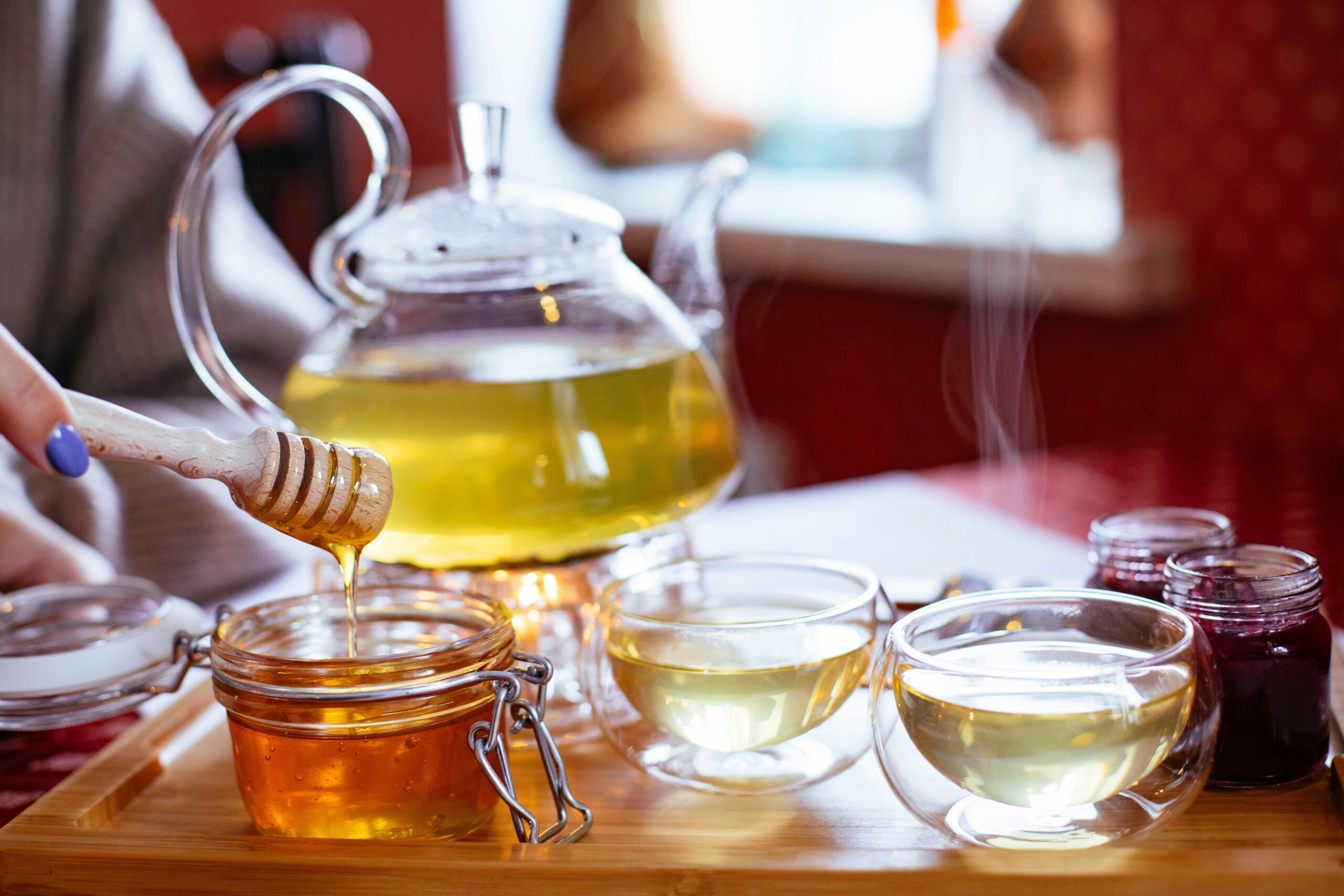
Practitioners may use individual plants or combinations prepared as teas, powders, capsules or extracts.
Traditional Chinese herbal materials include:
- Ginseng: Historically used in various preparations associated with vitality and fatigue.
- Licorice root: Included in numerous traditional formulas.
- Ginger: Used in food and traditional remedies, with certain preparations also studied for nausea.
However, the effects and risks of these substances differ considerably.
Are Chinese Herbal Medicines Effective?
NCCIH reports mixed findings from studies of Chinese herbal products for different medical conditions.
For many claimed uses, the available studies are too limited or methodologically weak to establish reliable clinical benefits.
Safety is also a significant consideration.
Some herbal products have been found to contain heavy metals, pesticides, toxic compounds or undeclared pharmaceutical ingredients. Errors in plant identification and manufacturing can also lead to harmful products.
Herbal remedies may interact with prescription medicines, including anticoagulants and medicines affecting the liver.
Natural does not automatically mean safe, and traditional use does not establish an appropriate medical dose.
People who are pregnant, breastfeeding, living with kidney or liver disease, or taking prescription medications should seek medical advice before using concentrated herbal products.
Source: NCCIH — Traditional Chinese Medicine: What You Need to Know.
3. Tui Na Massage Therapy
Tui Na is a traditional Chinese form of massage and manual therapy.
It uses techniques such as pressure, manipulation and rhythmic movements, traditionally related to meridian pathways and acupressure points.
Some people may experience temporary relaxation or relief from muscle discomfort.
However, high-quality evidence is insufficient to support every medical claim made about Tui Na.
People with acute injuries, suspected fractures or certain vascular conditions should obtain appropriate medical advice before receiving manual therapy.
For musculoskeletal conditions, evidence-based rehabilitation may also include therapeutic exercise and other methods offered through physical therapy.
4. Tai Chi and Qigong
Tai chi and qigong are mind-body practices associated with Chinese traditions.
They generally involve controlled movements, breathing, attention and coordinated posture.
Tai chi has attracted considerable scientific interest because it can be studied as a form of structured physical activity.
Clinical Research: Tai Chi and Fall Prevention
A randomized clinical trial published in JAMA Internal Medicine in 2018 evaluated 670 adults aged 70 or older who had experienced falls or had mobility difficulties.
Participants were assigned to one of three exercise programs for 24 weeks:
- A therapeutic tai chi program designed to improve balance
- A multimodal exercise program
- Stretching exercises
The results showed that the tai chi intervention was associated with:
- 58% fewer falls than the stretching program.
- 31% fewer falls than the multimodal exercise program.
These findings are encouraging, but they relate to a specific tai chi intervention among older adults at elevated risk of falling.
They do not prove that every tai chi program provides the same benefit for all age groups.
Source: Li et al., 2018 — Tai Ji Quan for Fall Prevention.
To learn more about different styles and training methods, explore Tabeebo’s article on tai chi and the balance of body and mind.
5. Traditional Chinese Dietary Therapy
TCM dietary practices often classify foods according to concepts such as warming and cooling properties, seasonal suitability and individual constitution.
Certain recommendations, such as dietary variety and attention to eating habits, may overlap with general principles of healthy nutrition.
However, classifying foods as energetically hot or cold is not an established biomedical method for diagnosing or treating disease.
People with conditions such as diabetes, kidney disease or nutritional deficiencies should follow dietary advice based on their clinical needs and reliable nutritional evidence.
6. Cupping Therapy
Cupping is a traditional practice used in China and several other regions, including the Middle East.
It involves creating suction against the skin using cups.
Dry cupping does not involve piercing the skin, while wet cupping involves superficial skin incisions and blood exposure.
According to NCCIH, some studies suggest possible pain relief, but the overall research quality is generally low.
Reported risks include burns, persistent discoloration, scarring and infection. Reusing improperly sterilized equipment may also transmit bloodborne infections.
There is no convincing clinical evidence that cupping removes toxins from the body or treats diseases generally.
Source: NCCIH — Cupping: Evidence and Safety.
Traditional Chinese Medicine vs. Evidence-Based Medicine
One useful distinction is how treatment claims are evaluated.
| Aspect | Traditional Chinese medicine | Evidence-based clinical medicine |
|---|---|---|
| Understanding illness | Traditional patterns involving qi, yin and yang | Biological mechanisms, clinical findings and diagnostic evidence |
| Selecting treatment | Traditional classifications and practitioner assessment | Clinical diagnosis, research evidence and patient circumstances |
| Evaluating effectiveness | May rely on historical use and traditional experience | Controlled studies, systematic reviews and measurable outcomes |
| Assessing safety | Varies across methods and products | Adverse-event monitoring, product regulation and risk assessment |
| Role in healthcare | Traditional or complementary care | Prevention, diagnosis and treatment based on available evidence |
This comparison does not mean that every traditional practice is ineffective.
Acupuncture and tai chi, for example, have been investigated in clinical trials and may offer benefits for certain conditions.
The important question is whether a specific intervention has demonstrated benefits that outweigh its risks for a particular patient.
What Does the WHO Say About Traditional Medicine in 2025–2034?
In 2025, the World Health Organization adopted its Global Traditional Medicine Strategy 2025–2034.
The strategy focuses on four major objectives:
- Strengthening the scientific evidence supporting traditional, complementary and integrative medicine.
- Improving safety, effectiveness and appropriate regulation.
- Supporting evidence-based integration into health systems.
- Strengthening collaboration and appropriate health-system contributions.
The WHO also published its Global Report on Traditional, Complementary and Integrative Medicine 2024 in 2025.
That report incorporates responses from 106 WHO member states to the organization’s third global survey on traditional medicine.
It examines how countries regulate and integrate traditional healthcare practices.
Importantly, WHO recognition of traditional medicine as a health-policy subject does not mean that every traditional treatment has been clinically proven or officially recommended.
Sources:
WHO — Global Traditional Medicine Strategy 2025–2034
WHO — Global Report on Traditional, Complementary and Integrative Medicine 2024.
Where Is Traditional Chinese Medicine Practiced?
Although TCM originated in China, its practices are now known internationally.
China
China has a long history of traditional medical education, research and clinical practice.
Cities such as Beijing, Shanghai and Guangzhou have institutions associated with traditional Chinese medicine.
Taiwan
Traditional Chinese medical practices are incorporated into parts of Taiwan’s healthcare system, with professional training and regulatory arrangements.
Hong Kong
Hong Kong has institutions involved in Chinese medicine education, research and clinical services.
Singapore
Singapore has a regulated traditional Chinese medicine sector with professional registration requirements.
Regulations, permitted treatments and professional qualifications differ between jurisdictions.
Patients considering treatment abroad should verify the practitioner’s credentials, the legality of the proposed treatment and the availability of appropriate follow-up care.
What Are the Risks of Traditional Chinese Medicine?
The risks depend on the treatment being used.
An important concern is delaying or replacing necessary medical treatment with a method that has not demonstrated adequate effectiveness.
For example, patients with serious infections, cancer, cardiovascular emergencies or progressive neurological symptoms should not postpone urgent medical assessment in favor of traditional remedies.
Other safety concerns include:
- Interactions between herbal products and prescription medicines.
- Product contamination or incorrect herbal ingredients.
- Infection or injury from improperly performed acupuncture.
- Burns and infections from cupping.
- Inappropriate manual therapy for people with certain injuries or medical conditions.
How to Choose a Qualified Practitioner
Before receiving treatment, verify the practitioner’s professional qualifications and licensing requirements in the relevant country.
Ask which condition the treatment is intended to address, what scientific evidence supports it, what risks are involved and whether it may interfere with ongoing medical care.
Patients dealing with persistent pain can also explore pain medicine specialists listed on Tabeebo to understand available conventional and multidisciplinary care options.
Frequently Asked Questions
Is Traditional Chinese Medicine Scientifically Proven?
Not as a single, comprehensive medical system. Some individual practices, such as acupuncture for selected pain conditions and tai chi for balance, have supportive research. Other applications remain uncertain or insufficiently studied.
Is Acupuncture Safe?
Acupuncture is generally associated with relatively few serious complications when performed appropriately using sterile, single-use needles by qualified practitioners.
However, infections and injuries can occur, and suitability depends on the patient’s medical circumstances.
Are Chinese Herbal Medicines Safe?
Not necessarily. Herbal medicines can cause side effects, interact with drugs or contain harmful contaminants. Product quality and medical oversight are important.
Can TCM Be Combined With Conventional Medicine?
Some approaches may be used alongside conventional treatment when supported by evidence and considered appropriate by the healthcare team.
Patients should disclose all herbal products, supplements and complementary therapies to their clinicians.
What Is the Difference Between Chinese and Persian Traditional Medicine?
Both have substantial historical traditions, but their theoretical frameworks differ.
TCM incorporates concepts such as qi, yin and yang, and meridian pathways. Persian traditional medicine developed around different historical frameworks, including humoral theory and temperament.
For more information, read Persian Traditional Medicine: An In-Depth Exploration.
Conclusion: The Place of Traditional Chinese Medicine in Modern Healthcare
Traditional Chinese medicine represents an important part of Chinese medical and cultural history.
Its practices range from acupuncture and herbal preparations to physical activities such as tai chi.
Modern scientific research suggests that some approaches may offer benefits for specific conditions. However, the evidence is not equally strong across all treatments, and historical popularity does not establish medical effectiveness.
Potential risks, including herbal-drug interactions, procedural complications and delayed diagnosis, also deserve careful attention.
The most appropriate approach combines respect for the historical significance of TCM with scientific evaluation, patient safety and individualized medical care.
Through Tabeebo, readers can explore information about chronic pain management, physical therapy and relevant healthcare professionals when considering their treatment options.
Scientific and Historical References
- National Center for Complementary and Integrative Health. Traditional Chinese Medicine: What You Need to Know.
- Linde K, et al. (2016). Acupuncture for the Prevention of Episodic Migraine. Cochrane Database of Systematic Reviews.
- Li F, et al. (2018). Effectiveness of a Therapeutic Tai Ji Quan Intervention to Prevent Falls. JAMA Internal Medicine.
- World Health Organization. (2025). Global Traditional Medicine Strategy 2025–2034.
- World Health Organization. (2025). Global Report on Traditional, Complementary and Integrative Medicine 2024.
- National Center for Complementary and Integrative Health. Acupuncture: Effectiveness and Safety.
- National Center for Complementary and Integrative Health. Cupping: Research and Safety.
- Library of Congress. Huangdi Neijing Suwen — Historical Description.
Medical disclaimer: This article is provided for educational purposes and does not replace individualized medical advice, diagnosis or treatment.