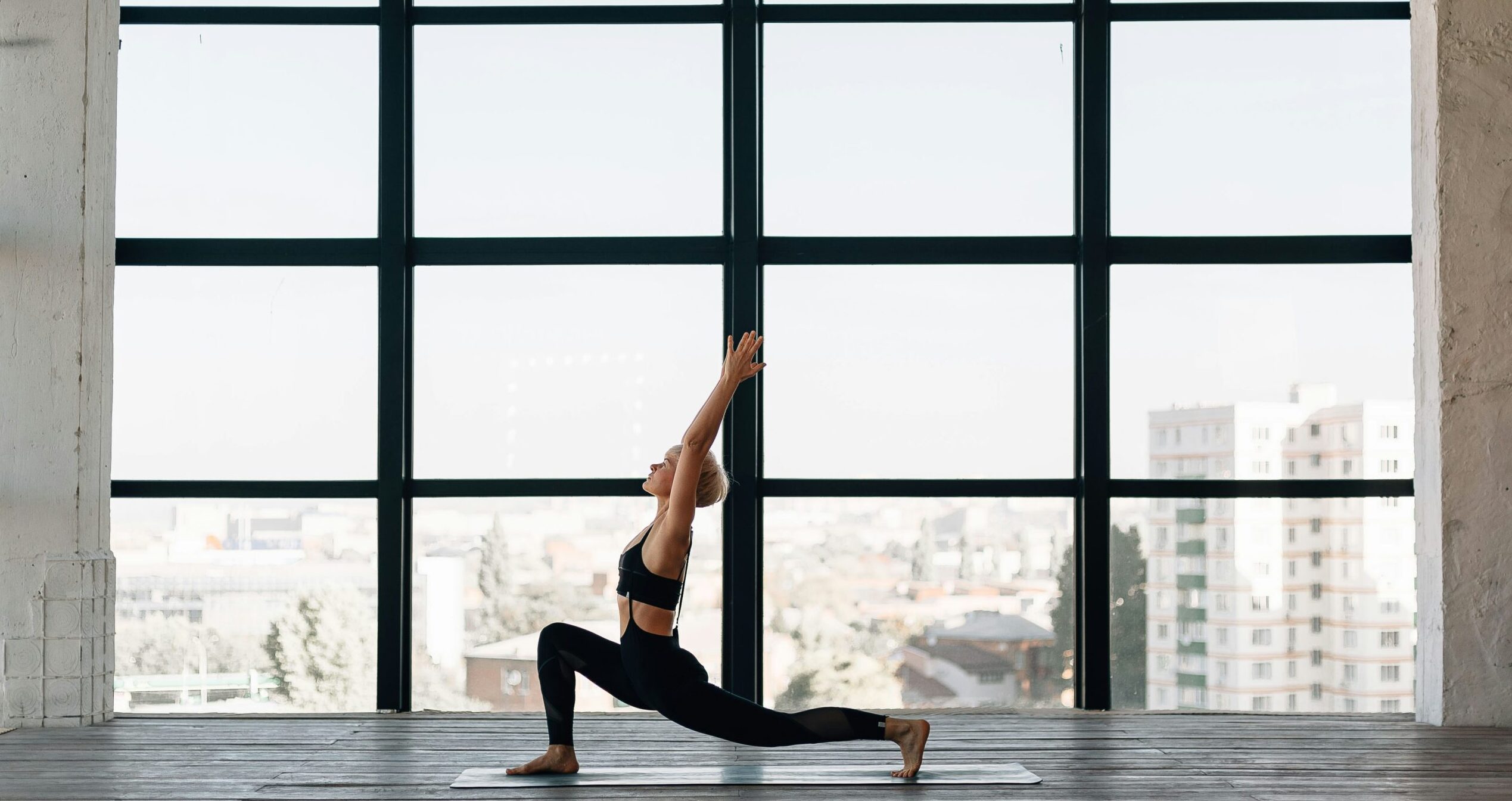
Yoga is a traditional mind-body practice that combines physical postures, breathing techniques and, in many forms, meditation or reflective awareness. Originating in India, it has developed through centuries of philosophical, spiritual and physical practice into the many yoga styles taught around the world today.
For beginners, yoga may offer an accessible way to explore movement, flexibility, balance and relaxation. For people with certain health conditions, appropriately adapted yoga can sometimes complement medical care.
But what are the different types of yoga? Is yoga scientifically proven to reduce stress or back pain? Which poses are suitable for beginners? And how does yoga compare with Pilates or Tai Chi?
This Tabeebo guide explores the history, methods and potential health benefits of yoga while explaining what contemporary research says about its effectiveness and safety.
What Is Yoga?
The word yoga comes from Sanskrit and has been interpreted in several ways across different historical and philosophical traditions.
In contemporary health and fitness settings, yoga often combines three main elements:
- Asana: Physical postures and movement.
- Pranayama: Breathing practices and the regulation of breath.
- Meditation or mindfulness: Practices involving attention, awareness and concentration.
Classical yoga traditions also include ethical, philosophical and contemplative teachings that are not always represented in modern exercise classes.
Yoga can be physically demanding, restorative, meditative or a combination of these approaches.
Not every yoga class is suitable for every individual. The intensity and safety of a session depend on the style, instructor, poses and participant’s health.
1. A Brief History of Yoga: From Ancient India to Modern Practice
Yoga has deep roots in the religious and philosophical traditions of the Indian subcontinent.
References to practices and ideas later associated with yoga appear in ancient Indian literature, including the Upanishads and other philosophical texts.
The Yoga Sutras, traditionally attributed to Patanjali, became an influential presentation of classical yoga philosophy.
Although the text is often dated to the early centuries of the Common Era, its exact dating and historical development remain matters of scholarly discussion.
The Evolution of Yoga
| Historical phase | Major development |
|---|---|
| Ancient Indian traditions | Early contemplative, philosophical and ascetic practices |
| Classical yoga | Systematic discussion of concentration, discipline and liberation |
| Medieval developments | Expansion of traditions involving bodily practices and breath control |
| Modern period | Growth of posture-focused yoga, international teaching and new styles |
| Contemporary practice | Yoga in fitness, wellness, education and selected healthcare programs |
A key distinction is that modern posture-centered yoga is not identical to every form of historical yoga.
Yoga as Cultural Heritage
In 2016, UNESCO included yoga on its Representative List of the Intangible Cultural Heritage of Humanity, recognizing its importance as a living cultural practice associated with India.
Source: UNESCO — Yoga, Intangible Cultural Heritage.
Preserving yoga’s cultural history is important even when discussing its modern applications in exercise and healthcare.
2. Types of Yoga: Hatha, Vinyasa, Ashtanga, Bikram and Kundalini
One of the first decisions for beginners is choosing a suitable style.
Different yoga classes vary in pace, physical intensity, breathing, posture sequences and meditation.
Comparison of Popular Yoga Styles
| Yoga style | Main characteristics | Potential suitability |
|---|---|---|
| Hatha | Generally slower, with attention to individual postures and breathing | Many beginner classes |
| Vinyasa | Flowing sequences linking movement and breath | People who enjoy continuous movement |
| Ashtanga | Structured, physically demanding posture sequences | Experienced practitioners or suitably prepared beginners |
| Bikram / Hot yoga | Practice in a heated environment; traditional Bikram follows a defined sequence | Requires special attention to heat tolerance and hydration |
| Kundalini | Breathing, chanting, meditation and movement within a specific spiritual tradition | People interested in contemplative practices |
| Yin | Longer-held, generally passive positions | People seeking slower practice, with appropriate joint modifications |
| Restorative | Supported positions emphasizing relaxation | People seeking gentle, lower-intensity sessions |
| Chair yoga | Modified movements performed sitting or using a chair for support | Some older adults or people with mobility limitations |
Class intensity is not standardized across all teachers. A class labeled Hatha may still be physically demanding, while a beginner Vinyasa class may use relatively simple movements.
Hatha Yoga
Hatha yoga commonly introduces postures at a slower pace with opportunities to focus on breathing and alignment.
A beginner-friendly Hatha class may provide time to learn foundational movements.
However, traditional Hatha yoga is a broader historical category, so the name alone does not guarantee that a particular class is easy.
Vinyasa Yoga
Vinyasa classes connect breathing with flowing transitions between positions.
They may provide more continuous physical activity than slower classes.
The intensity varies substantially between teachers and sessions.
Ashtanga Yoga
Ashtanga typically follows a structured sequence of postures.
It can be physically challenging and may require substantial strength, flexibility and familiarity with movement.
Beginners should seek appropriate instruction and avoid forcing advanced poses.
Bikram and Hot Yoga
Hot yoga takes place in a heated room.
Traditional Bikram yoga follows a set sequence of 26 postures.
Although some participants enjoy the environment, there is no convincing basis for advertising hot yoga as a method of removing toxins from the body.
Sweating helps regulate temperature, but it does not establish a clinically meaningful detoxification effect.
Heated classes also carry risks of dehydration, overheating and heat-related illness.
Pregnant people should avoid hot yoga, and people with heat intolerance or relevant medical conditions should discuss suitability with a healthcare professional.
Kundalini Yoga
Kundalini yoga traditionally combines breathing, movement, meditation and chanting within a spiritual framework.
Research has investigated certain Kundalini programs for stress and anxiety symptoms.
However, traditional descriptions of energy should not be confused with established biomedical measurements.
Which Type of Yoga Is Best for Beginners?
For many first-time participants, a beginner Hatha class, a gentle yoga session or an appropriately adapted chair-yoga class can be a reasonable starting point.
The best choice depends on personal preferences, mobility, health and the availability of a qualified instructor.
3. What Are the Scientifically Supported Benefits of Yoga?
Yoga research has expanded, but benefits differ between outcomes and study populations.
The US National Center for Complementary and Integrative Health (NCCIH) identifies evidence suggesting that yoga may improve certain aspects of general wellness, balance, sleep and pain.
However, study quality and certainty vary.
Yoga Benefits: Evidence Overview
| Potential benefit | What the evidence suggests | Important limitation |
|---|---|---|
| Flexibility and balance | Benefits have been observed in multiple studies | Effects depend on the program and individual |
| Stress and perceived well-being | May improve some symptoms and quality-of-life measures | Measurement methods and study quality vary |
| Sleep | Improvements reported in several populations | Not a guaranteed treatment for sleep disorders |
| Chronic lower-back pain | Small improvements in pain and function are possible | May not outperform other suitable exercise |
| Anxiety symptoms | Potential benefit as an additional practice | Not a replacement for established anxiety treatment |
| Depression symptoms | Possible modest benefit when added to treatment | Evidence does not support replacing clinical care |
| Weight management | Some programs may support gradual changes | Results depend heavily on broader lifestyle factors |
| Heart health | May influence selected risk factors | Not a substitute for cardiovascular treatment or aerobic exercise |
What the Research Does Not Establish
Yoga should not be marketed as a cure for asthma, arthritis, depression, cardiovascular disease or other chronic conditions.
Even when a study identifies a benefit for symptoms, it does not necessarily demonstrate that yoga changes the underlying disease process.
4. Yoga for Chronic Lower-Back Pain: What Studies Show
Chronic lower-back pain is one of the most extensively studied medical applications of yoga.
A 2022 Cochrane review of 21 trials involving 2,223 participants found that yoga may provide small improvements in back-related function and pain compared with no exercise.
However, the average differences were small and might not be clinically important for every patient.
The review found little or no clear advantage over other back-focused exercises for certain outcomes.
Source: NCCIH — Yoga for Pain: What the Science Says.
Newer Evidence: Virtual Yoga for Back Pain
A randomized clinical trial published in JAMA Network Open in 2024 enrolled 140 adults with chronic lower-back pain.
Participants were assigned to a 12-week live-streamed group yoga program or a waiting-list control.
The yoga group experienced improvements in pain-related function and other selected outcomes.
Researchers also found lower reported use of pain medication in the yoga group during follow-up.
Source: JAMA Network Open — Effectiveness of Virtual Yoga for Chronic Low Back Pain.
These findings support the possibility that structured, supervised online yoga can be helpful for selected patients.
However, results from a controlled program should not be generalized to every YouTube yoga video or every type of back pain.
When Should People With Back Pain Avoid Self-Directed Yoga?
Back pain accompanied by progressive weakness, numbness around the groin, new bowel or bladder dysfunction or other serious neurological symptoms requires urgent medical assessment.
People recovering from spinal surgery, fractures or significant injuries should obtain individualized guidance before performing yoga poses.
5. Yoga for Stress, Anxiety, Depression and Sleep
Yoga is often promoted for mental well-being.
There is evidence supporting potential benefits for perceived stress, certain anxiety symptoms and sleep in selected groups.
However, the clinical significance varies.
Can Yoga Reduce Anxiety?
Yoga may help some people manage anxiety symptoms.
A randomized study of Kundalini yoga for generalized anxiety disorder found that yoga improved symptoms, but cognitive behavioral therapy (CBT) was more effective.
Therefore, yoga may be considered as a complementary activity, not a proven replacement for CBT or other indicated treatment.
Can Yoga Treat Depression?
Some research suggests modest improvements in depressive symptoms when yoga is added to established treatment.
But studies do not establish yoga as a standalone replacement for psychotherapy or antidepressant medication when those treatments are clinically indicated.
Can Yoga Improve Sleep?
Studies involving older adults, people with sleep difficulties and some patient groups suggest possible benefits for sleep quality.
A gentle evening routine may be appealing to people who find breathing and relaxation practices helpful.
However, persistent insomnia, severe daytime sleepiness or suspected sleep apnea may need medical evaluation.
A yoga routine can support well-being without being presented as a medical cure.
6. Yoga for Beginners: How to Start Safely
You do not need advanced flexibility to begin yoga.
A realistic starting goal is to become comfortable with movement, breathing and body awareness rather than attempting difficult poses.
Five Beginner-Friendly Movements
| Movement | Basic approach | Modification |
|---|---|---|
| Mountain pose (Tadasana) | Stand comfortably upright and breathe naturally | Use a chair or wall for support |
| Cat–Cow (Marjaryasana–Bitilasana) | Gently alternate spinal positions on hands and knees | Perform a small seated variation if wrists or knees are sensitive |
| Child’s pose (Balasana) | Relax into a supported kneeling position if comfortable | Use cushions or choose another resting position for knee discomfort |
| Supported standing side stretch | Reach gently to one side without forcing the spine | Keep one hand on a chair |
| Relaxation pose (Savasana) | Rest in a comfortable position and observe natural breathing | Lie with knees supported or sit in a chair |
Avoid forcing stretches or attempting to reproduce an instructor’s maximum range of motion.
A Simple 15–20-Minute Beginner Yoga Session
This is an example of a gentle routine for generally healthy adults, not an individualized treatment program.
- 2 minutes — Comfortable breathing: Sit or stand and breathe naturally without holding your breath.
- 3 minutes — Gentle warm-up: Slowly move the shoulders and ease into standing posture.
- 4 minutes — Controlled spinal movement: Try a gentle Cat–Cow or seated variation.
- 3 minutes — Standing mobility: Add supported side stretches and simple movements.
- 3 minutes — Balance and posture: Practise stable standing with a chair or wall nearby.
- 3–5 minutes — Relaxation: Finish with a comfortable resting position.
Stop or modify any position that causes pain, dizziness, numbness or unusual discomfort.
How Often Should Beginners Practise Yoga?
Some people may start with two or three short sessions each week and gradually increase frequency.
There is no universal rule requiring four sessions weekly.
Consistency, tolerability and an appropriate level of physical challenge matter more than an arbitrary target.
7. Is Yoga Enough Exercise for General Health?
Yoga can contribute to physical activity, flexibility and muscular endurance.
However, gentle yoga alone may not meet all aerobic and muscle-strengthening recommendations.
According to the World Health Organization’s physical activity guidelines, adults should aim for:
- 150–300 minutes of moderate-intensity aerobic physical activity per week, or an equivalent amount of vigorous activity.
- Muscle-strengthening activities on at least two days per week.
- Additional balance and functional training for many older adults.
Some vigorous yoga sessions may contribute to an individual’s overall activity level, but not every yoga class provides sufficient aerobic intensity.
A balanced fitness routine may include yoga alongside walking, swimming, cycling or suitable resistance training.
8. Yoga Safety: Injuries and Medical Conditions
Yoga is generally considered a relatively safe form of physical activity when performed appropriately.
But injuries can occur, especially with forced flexibility, advanced poses or inappropriate supervision.
Conditions That May Require Modifications
| Condition | Important consideration |
|---|---|
| Knee or hip injury | Avoid positions that excessively load or twist the affected joint |
| Lower-back or neck problems | Adjust spinal bending and twisting according to clinical advice |
| Severe or uncontrolled hypertension | Avoid forceful exertion and certain advanced practices until medically assessed |
| Glaucoma | Some inverted positions may be inappropriate |
| Balance difficulties | Use supports and avoid unstable postures |
| Recent surgery | Follow the treating clinician’s recovery restrictions |
| Osteoporosis or fragility fractures | Avoid movements with excessive spinal flexion or twisting when contraindicated |
| Pregnancy | Use appropriately adapted prenatal practice |
The NCCIH yoga safety guidance advises beginners to avoid extreme poses such as headstands and shoulder stands, as well as forceful breathing techniques.
Can Pregnant Women Practise Yoga?
Appropriately adapted prenatal yoga may be suitable for many healthy pregnancies.
However, participants should avoid hot yoga and modify positions according to the stage of pregnancy and clinical guidance.
The American College of Obstetricians and Gynecologists recommends suitable physical activity during uncomplicated pregnancies while emphasizing individual assessment.
When Should You Stop a Yoga Session?
Stop and seek appropriate medical assessment if you develop:
- Chest pain or severe breathing difficulty.
- Dizziness or fainting.
- Sudden neurological symptoms.
- Sharp or progressively worsening pain.
- Unusual weakness or loss of sensation.
For severe symptoms, seek urgent medical care.
9. Yoga vs. Tai Chi, Pilates and Qigong
Yoga is often compared with other mind-body movement practices.
These disciplines share some features but have different histories, teaching methods and physical demands.
Comparison Table
| Discipline | Historical origin | Main focus | Common movement style |
|---|---|---|---|
| Yoga | India | Postures, breath, meditation and, in some traditions, philosophy | Ranges from still postures to dynamic flows |
| Tai Chi | China | Coordinated movement, balance and attention | Slow, continuous sequences |
| Pilates | Early 20th-century exercise system | Core control, strength and coordinated movement | Mat-based or equipment-assisted exercises |
| Qigong | China | Coordinated breathing, movement and attention | Often slow and repetitive exercises |
Yoga vs. Tai Chi
Both can include focused attention and gentle movement.
Yoga often involves holding postures or transitioning through sequences, while Tai Chi is known for continuous, coordinated movement patterns.
Tai Chi has also been studied for balance and fall-risk-related outcomes in older adults.
Read Tai Chi: Balancing Body and Mind for a more detailed comparison.
Yoga vs. Pilates
Pilates generally emphasizes controlled movement, trunk stability and strength.
Yoga can include these physical elements, but some traditions also emphasize meditation, breathing and philosophical practice.
Neither is universally better for posture, back pain or general fitness.
The most appropriate choice depends on the individual and the specific program.
10. Yoga Destinations: India, Bali and California
Yoga’s global popularity has led to an extensive market for classes, retreats and teacher-training programs.
The original Tabeebo article highlighted three locations.
India
India is yoga’s historical and cultural home and offers a wide variety of traditions, schools and retreat programs.
However, the age or cultural reputation of a program does not guarantee qualified instruction or medical safety.
Bali, Indonesia
Bali is known for wellness retreats combining yoga, relaxation and tourism.
Patients and travelers should check instructor credentials, accessibility, hygiene and accommodation standards.
California, United States
California hosts a broad range of yoga studios, wellness organizations and teacher-training programs.
As elsewhere, program quality varies.
Choosing a Retreat Safely
Before booking, ask whether the program can accommodate beginners, injuries or relevant medical conditions.
Confirm how activities are supervised and whether there is access to appropriate medical care if needed.
Avoid retreats that promise disease cures, guaranteed emotional transformation or detoxification through extreme fasting or heated exercise.
11. Yoga, Nutrition and Everyday Wellness
Yoga is sometimes presented as requiring a special diet or restrictive eating program.
However, there is no universal medical requirement to adopt a particular diet to participate in yoga.
A balanced eating pattern should reflect nutritional needs, personal preferences and any relevant medical conditions.
Hydration
Drink sufficient fluids for your activity and environment.
Hydration becomes especially important in hot conditions, but drinking water does not eliminate the risks of overheating.
Nutrition
A balanced pattern of vegetables, fruit, adequate protein, whole grains and other nutritious foods can support general health.
People with diabetes, kidney disease, food allergies or other conditions may require individualized dietary advice.
Stress Management
Breathing, movement and mindful attention may be helpful parts of a broader stress-management plan.
Other measures may include sufficient sleep, social support, suitable physical activity and professional healthcare when required.
For more information, see The Role of Exercise and Nutrition in Health.
12. Why Has Yoga Become So Popular?
The growth of yoga reflects interest in physical movement, relaxation, wellness and different mind-body traditions.
According to US National Health Interview Survey data analyzed by the NIH:
| Survey year | Percentage of US adults reporting yoga practice |
|---|---|
| 2002 | 5.0% |
| 2012 | 9.0% |
| 2022 | 15.8% |
Source: NIH/NCCIH — Twenty-Year Trends in Yoga Use.
These figures show a substantial increase in yoga participation among US adults over that period.
They should not be presented as global participation statistics or as current 2026 prevalence estimates.
Frequently Asked Questions About Yoga
What is yoga, in simple terms?
Yoga is a family of practices originating in India that may combine physical postures, breathing, meditation and philosophical teachings.
Which type of yoga is best for beginners?
Many beginners may prefer gentle Hatha, restorative or adapted yoga. The suitability of a class depends on the teacher, pace and person’s health.
How often should I practise yoga?
Short, regular sessions can be a reasonable starting point. There is no single frequency suitable for everyone.
Can yoga help with lower-back pain?
It may provide modest benefits for selected people with chronic lower-back pain. It is not clearly superior to other appropriate exercise programs.
Does yoga reduce anxiety?
Yoga may support anxiety symptom management for some individuals, but it should not replace established mental-health treatments when those are needed.
Does yoga help with weight loss?
Some yoga-based programs support gradual weight changes, but results depend on overall activity, nutrition and other factors. Yoga is not a guaranteed weight-loss treatment.
Is hot yoga better than regular yoga?
There is no reliable evidence that hot yoga is universally more effective. Heated sessions add risks related to overheating and dehydration.
Can yoga improve flexibility?
Regular, appropriately adapted practice may improve flexibility and body awareness.
Can older adults practise yoga?
Many can, particularly with adapted classes or chair yoga. Individual medical conditions and balance needs should guide the choice.
Is yoga safe during pregnancy?
Appropriately adapted prenatal yoga can be suitable for many healthy pregnancies, but hot yoga and certain positions should be avoided.
Do I need to be flexible before starting yoga?
No. Flexibility may improve through practice, and beginners should use movements within their comfortable range.
Can yoga replace exercise or medical treatment?
It can contribute to physical activity and wellness, but may not meet every aerobic or strength recommendation. It should not replace necessary healthcare.
Explore Wellness and Healthcare Information on Tabeebo
Tabeebo helps patients and readers discover healthcare professionals, clinics, hospitals and reliable health-related information.
You can explore the specialist directory if a medical condition, injury or rehabilitation need affects your ability to exercise.
For related reading, see Tai Chi: Balancing Body and Mind and The Role of Exercise and Nutrition in Health.
Tabeebo does not certify yoga instruction or guarantee the safety of any individual exercise program.
Conclusion: Yoga as a Sustainable Mind-Body Practice
Yoga offers a wide range of approaches, from gentle movement and breathing to demanding physical sequences and contemplative traditions.
Scientific research suggests it may support balance, sleep, general well-being and modest improvements in some chronic pain conditions.
However, yoga is not a universal treatment, a guaranteed weight-loss method or a replacement for clinical care.
For beginners, the most useful approach is to choose an appropriate style, learn from a qualified instructor, progress gradually and respect the body’s limitations.
The value of yoga lies not in mastering the most difficult pose, but in finding a safe and sustainable practice that supports individual well-being.
Scientific and Institutional References
- UNESCO — Yoga as Intangible Cultural Heritage
- NCCIH — Yoga: Effectiveness and Safety
- NCCIH — Yoga for Pain: Scientific Evidence
- JAMA Network Open — Virtual Yoga for Chronic Lower-Back Pain, 2024
- NCCIH — Anxiety and Complementary Health Approaches
- WHO — Physical Activity Guidelines
- ACOG — Exercise During Pregnancy
- NIH/NCCIH — Twenty-Year Trends in Yoga Use
- MedlinePlus — Yoga for Health
Medical information reviewed November 21, 2026. This article is educational and does not replace medical advice, physiotherapy or individualized exercise guidance.