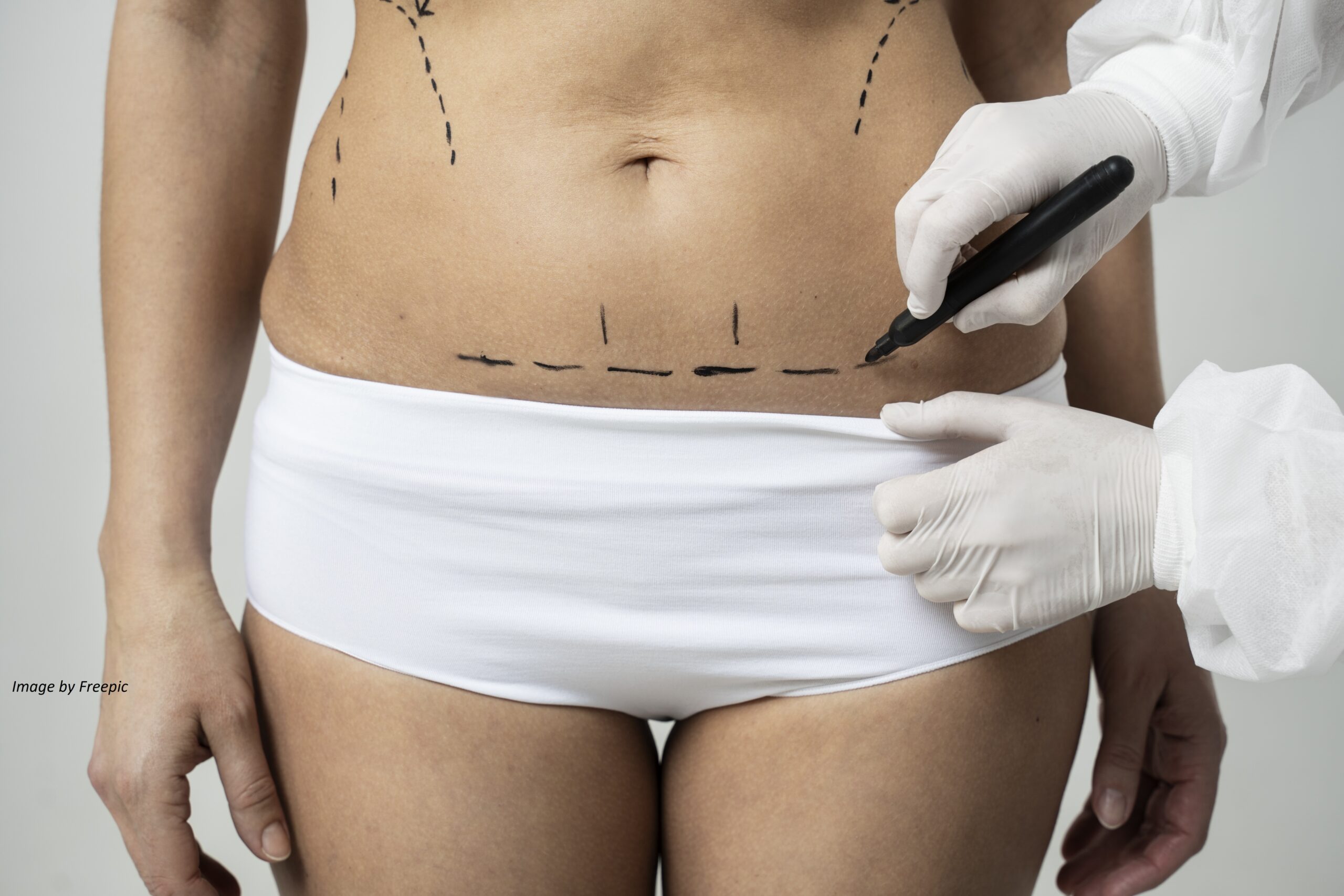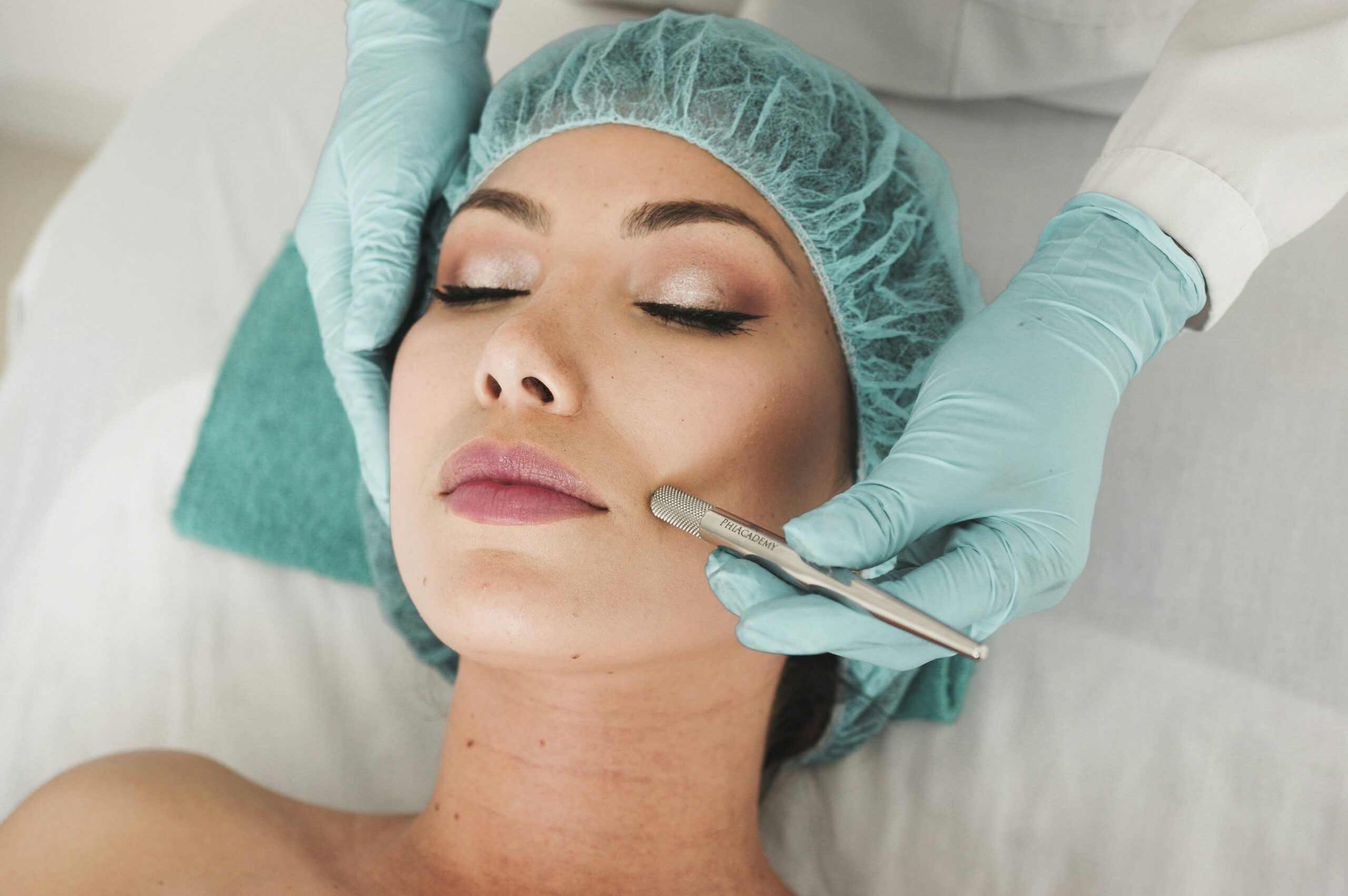
Which country is best for cosmetic surgery: Turkey, South Korea, Brazil, Mexico, Thailand, Dubai or Iran? The answer depends on the procedure, surgeon’s qualifications, treatment costs, accessibility and, most importantly, the availability of safe postoperative care.
Medical tourism can give patients access to different specialists and treatment options. However, a lower advertised price or a country’s popularity does not guarantee better surgical results.
In this updated Tabeebo guide, we compare seven established cosmetic-surgery destinations using current international statistics, medical-tourism safety recommendations and practical criteria for evaluating healthcare providers.
Cosmetic Surgery Worldwide: What the Latest Statistics Show
According to the International Society of Aesthetic Plastic Surgery (ISAPS) Global Survey 2025, published in September 2026, plastic surgeons worldwide performed an estimated:
| Indicator | Global estimate for 2025 |
|---|---|
| Surgical aesthetic procedures | 17.9 million |
| Nonsurgical aesthetic procedures | 17.3 million |
| Total aesthetic procedures | 35.2 million |
| Rhinoplasty procedures | More than 1 million |
| Eyelid surgeries | More than 2.4 million |
The United States recorded the largest combined number of aesthetic procedures, at more than 5.4 million, followed by Brazil with approximately 3.2 million and China with 2.8 million.
Brazil ranked first for surgical procedures specifically, with approximately 2.3 million operations.
Another interesting finding was that the Dominican Republic, Tunisia and Mexico had some of the highest proportions of international patients among participating countries.
What do these statistics tell us? Surgical volume and medical-tourism popularity are not the same thing. A country may perform many cosmetic procedures primarily for domestic patients, while another may serve a higher proportion of international visitors.
Importantly, procedure volume does not measure complication rates, surgical skill or patient satisfaction.
Source: ISAPS Global Survey 2025.
Comparing the Best-Known Cosmetic Surgery Destinations
The following comparison highlights the characteristics international patients commonly consider. It is not a ranking of surgical safety or clinical quality.
| Country | Procedures commonly associated with the destination | Main consideration for international patients |
|---|---|---|
| Turkey | Hair transplantation, rhinoplasty, body contouring | Verify the provider’s health-tourism authorization and surgical team |
| South Korea | Eyelid surgery, facial procedures, rhinoplasty | Assess experience with the patient’s specific facial anatomy and goals |
| Brazil | Liposuction, breast procedures, body contouring | Confirm surgical credentials, facility standards and postoperative support |
| Mexico | Body contouring, rhinoplasty, breast procedures | Convenient access for many North American patients; check follow-up arrangements |
| Thailand | Aesthetic surgery, facial procedures, body contouring | Evaluate facility licensing, recovery accommodation and follow-up |
| UAE (Dubai) | Rhinoplasty, breast and facial aesthetic procedures | Verify professional and facility licensing through the relevant health authority |
| Iran | Rhinoplasty and other aesthetic procedures | Assess qualifications, travel requirements, payment arrangements and continuity of care |
Clinical quality varies between individual surgeons and facilities within every country.
1. Turkey: A Major Destination for Cosmetic Surgery and Hair Transplants
Turkey is frequently considered by international patients seeking rhinoplasty, hair transplantation and body-contouring procedures.
Istanbul is a prominent healthcare destination, while other cities also offer surgical and nonsurgical aesthetic services.
One advantage for some travelers from Europe and the Middle East is geographic accessibility. However, the suitability of a particular provider must be evaluated independently.
What should patients check in Turkey?
Türkiye has an authorization framework for healthcare facilities and intermediaries serving international medical tourists.
Patients can consult the official HealthTürkiye directory of certified healthcare providers when checking relevant authorization.
For hair transplantation, clarify which stages will be performed by the physician and which may be delegated to other qualified professionals.
Patients considering surgery should also understand whether the quoted package includes anesthesia, postoperative appointments, prescribed medications and management of complications.
To compare procedures and understand treatment techniques, see Tabeebo’s hair transplant surgery guide.
2. South Korea: A Destination for Facial Aesthetic Procedures
South Korea has a substantial aesthetic medicine sector and is especially associated with facial procedures, including blepharoplasty and rhinoplasty.
The ISAPS 2025 survey estimated nearly 2 million surgical and nonsurgical aesthetic procedures performed by plastic surgeons in South Korea.
Eyelid surgery was among the country’s most frequently reported surgical procedures.
For international patients, the most important consideration is not whether a particular technique is marketed as advanced, but whether the surgeon has relevant experience with their anatomy, goals and medical history.
Patients should discuss expected changes, possible complications, language support and postoperative follow-up directly with the treating surgeon.
A digital simulation or attractive before-and-after photographs should not be interpreted as a guaranteed result.
3. Brazil: High Surgical Volume and Body-Contouring Experience
Brazil has a well-established cosmetic surgery sector, particularly in procedures involving body contouring and breast surgery.
According to the ISAPS 2025 survey, Brazil performed approximately 2.3 million aesthetic surgical procedures, the highest estimated number among reporting countries.
For patients considering liposuction, abdominoplasty or breast surgery, this reflects a large national surgical market.
However, high surgical volume does not mean that every clinic or practitioner has the same experience or complication rates.
Patients should verify specialist qualifications, hospital privileges and arrangements for managing surgical emergencies.
They should also assess the practical implications of long-distance travel and returning for postoperative reviews.
For more detailed procedure information, read Tabeebo’s liposuction treatment overview.
4. Mexico: Geographic Accessibility for North American Patients
Mexico is an important medical-tourism destination, particularly for patients traveling from the United States and Canada.
Geographic proximity can make consultations and follow-up visits more manageable for some travelers.
The ISAPS Global Survey also identifies Mexico among countries with a relatively high proportion of international aesthetic patients.
Nevertheless, proximity and affordability do not guarantee safe care.
The US Centers for Disease Control and Prevention (CDC) has documented infection outbreaks associated with medical procedures abroad, including incidents involving patients treated in Mexico.
These reports should not be generalized to every healthcare facility in the country. They do, however, highlight the importance of infection control, appropriate licensing, reliable medical records and access to emergency treatment.
5. Thailand: A Broad Range of International Healthcare Services
Thailand is frequently considered for medical tourism, including cosmetic surgery and other elective procedures.
International patients may find facilities offering coordinated services such as medical consultations, accommodation assistance and interpretation.
However, the convenience of a treatment package should not replace clinical evaluation.
Before booking, ask whether the surgeon and the facility hold the appropriate local licenses, whether an anesthesiologist will be involved when necessary, and where complications would be treated.
Long-haul travel can also affect recovery planning.
A cosmetic-surgery trip should be organized around safe recovery, not sightseeing immediately after an operation.
6. United Arab Emirates: Dubai and Regulated Private Healthcare
Dubai offers private healthcare services across multiple aesthetic specialties and attracts patients seeking consultations with internationally trained physicians.
For patients based in the Gulf region, proximity may simplify travel and ongoing postoperative appointments.
An important advantage for evaluating providers in Dubai is the availability of official licensing information.
The Dubai Health Authority (DHA) maintains a Dubai Medical Registry, where patients can investigate registered healthcare professionals and facilities.
Patients should confirm that the practitioner’s active license and specialty correspond to the procedure being considered.
Higher prices, premium interiors or international marketing do not independently establish superior clinical outcomes.
For example, patients considering nasal surgery can first review Tabeebo’s rhinoplasty treatment guide and provider listings.
7. Iran: Rhinoplasty and Other Aesthetic Procedures
Iran is associated with an established practice of rhinoplasty and other cosmetic procedures, particularly in major cities such as Tehran.
For some patients, Iran may be considered because of language familiarity, existing family connections or individual provider recommendations.
However, claims that Iran consistently offers the lowest prices or universally high surgical standards cannot be established without comparable, independently verified information.
Before traveling, international patients should examine the surgeon’s professional registration, the facility’s authorization, the total treatment cost and the availability of follow-up care.
They should also verify current entry requirements, travel advisories, available transport, payment arrangements and medical insurance coverage.
These considerations are particularly important because travel and administrative circumstances can change.
Patients can explore plastic, reconstructive and aesthetic surgeons listed on Tabeebo and independently verify their qualifications with the relevant authorities.
Cosmetic Surgery Costs by Country: How to Make a Fair Comparison
One of the biggest difficulties in comparing cosmetic-surgery destinations is the lack of standardized international pricing.
A rhinoplasty quotation may refer to a straightforward primary operation, while another may involve a complex revision procedure with hospital admission and additional reconstruction.
Similarly, an advertised package may include hotel accommodation but exclude management of complications or revision surgery.
Instead of assuming one country is always cheaper, compare the total cost of equivalent procedures.
What should a complete quotation include?
| Cost component | Questions to ask |
|---|---|
| Surgeon and surgical team | Are all professional fees included? |
| Hospital or clinic | Does the price include operating-room and recovery charges? |
| Anesthesia | Are anesthesiology fees included? |
| Medical tests and medications | Which tests and prescriptions are covered? |
| Travel and accommodation | How many nights are medically required? |
| Follow-up appointments | Are postoperative visits included? |
| Complications | Who pays if further treatment or hospitalization is needed? |
| Additional procedures | What happens if revision surgery becomes necessary? |
For international comparisons, request dated written quotations in a common currency, such as USD or EUR, and confirm the exchange rate and payment conditions.
This is especially important in markets where local-currency prices can change substantially.
The cheapest advertised procedure is not necessarily the least expensive treatment overall.
The Hidden Risk of Flying Too Soon After Cosmetic Surgery
One of the most overlooked aspects of cosmetic medical tourism is postoperative travel.
The CDC’s Yellow Book 2026 explains that both surgery and prolonged air travel can increase the risk of blood clots, including deep vein thrombosis and pulmonary embolism.
Its medical-tourism guidance advises against flying within 10 days after chest or abdominal surgery. It also cites American Society of Plastic Surgeons guidance recommending a 7–10-day interval after certain cosmetic procedures involving the face, eyelids or nose.
These are general recommendations, not guarantees that flying becomes safe on a particular day.
Actual travel clearance depends on the procedure, complications, medical history and assessment by the treating surgeon.
Infections, delayed wound healing and other complications may also require a longer stay than originally planned.
Source: CDC Yellow Book 2026 — Medical Tourism.
How to Choose a Cosmetic Surgeon Abroad: A Practical Checklist
Before booking a procedure overseas, patients should:
- Verify the surgeon’s license and specialty. Confirm the credentials directly with the relevant professional licensing authority.
- Speak with the operating surgeon. Do not rely exclusively on a sales coordinator or travel agent.
- Verify the facility. Confirm that the hospital or clinic is authorized to perform the proposed procedure and has appropriate emergency arrangements.
- Understand the risks. Ask about likely complications, alternatives and realistic outcomes.
- Request a detailed quotation. Clarify which expenses are included and excluded.
- Arrange postoperative follow-up. Know who will examine you after surgery and who will manage complications after you return home.
- Review insurance and travel requirements. Standard travel insurance may exclude complications from elective cosmetic surgery.
- Obtain your medical records. Request operative reports, medication details and other important documents before departure.
International accreditation can provide useful information about facility systems, but accreditation alone does not guarantee an individual patient’s outcome.
The NHS cosmetic surgery abroad guidance provides further practical advice.
Which Country Is Best for Your Specific Procedure?
The most suitable destination may differ depending on the procedure and where the patient lives.
For rhinoplasty: Prioritize surgeons experienced in the relevant nasal anatomy and, where necessary, functional breathing problems. Turkey, South Korea and Iran may be among the countries patients investigate, but surgeon-specific assessment remains essential.
For hair transplantation: Evaluate the physician’s involvement, donor-hair management, follicular harvesting and implantation techniques, and follow-up arrangements. Turkey is one country frequently considered for this procedure.
For liposuction and body contouring: Brazil, Mexico, Turkey and other countries may be considered, but patients should pay particular attention to anesthesia, surgical setting, blood-clot risk and postoperative care.
For facial or eyelid procedures: South Korea and other established aesthetic surgery markets may be relevant. The appropriate choice depends on the surgeon’s expertise and the planned operation.
No destination is automatically the best choice for all patients, even when a procedure is especially common there.
For patients who need extensive surgery or repeated follow-up visits, selecting a qualified provider closer to home may be preferable to traveling internationally.
Frequently Asked Questions
What is the cheapest country for cosmetic surgery?
There is no reliable universal answer. Prices depend on the procedure, surgeon, facility, currency, package inclusions and postoperative care. Compare dated quotations for equivalent treatment plans.
Is cosmetic surgery abroad safe?
Many patients undergo medical procedures abroad, but complications can occur in any country. Safety depends on the individual clinical team, facility, procedure and follow-up arrangements.
Which country performs the most cosmetic surgery?
According to ISAPS estimates for 2025, the United States performed the largest combined number of surgical and nonsurgical aesthetic procedures, while Brazil recorded the highest estimated number of surgical procedures.
How long should I stay abroad after surgery?
The required stay depends on the procedure and recovery. Flying too soon can create additional risks, particularly after major surgery. Discuss an individualized travel plan with your surgeon before booking flights.
How can I compare surgeons in different countries?
Review qualifications, relevant procedure experience, facility affiliation, consultation arrangements and the availability of follow-up care. Tabeebo offers healthcare professional profiles to help patients explore potential providers.
Conclusion: Choose the Right Provider, Not Just the Right Country
Turkey, South Korea, Brazil, Mexico, Thailand, the UAE and Iran offer different options for patients researching cosmetic surgery abroad.
However, the evidence does not support naming one country as universally safest, most affordable or best for every procedure.
The most informed decision combines an appropriate surgeon, a licensed facility, realistic expectations, transparent pricing and a dependable postoperative care plan.
A successful cosmetic-surgery journey begins with medical evaluation—not a discounted travel package.
Tabeebo helps international patients discover and compare doctors, clinics and treatment options, supporting more informed decisions across different healthcare destinations.
Medical and Statistical References
- International Society of Aesthetic Plastic Surgery. (2026). ISAPS Global Survey 2025.
- Centers for Disease Control and Prevention. (2025). Medical Tourism — CDC Yellow Book 2026.
- National Health Service. Cosmetic Surgery Abroad.
- National Health Service. Treatment Abroad Checklist.
- HealthTürkiye. Certified Healthcare Providers and Facilitators.
- Dubai Health Authority. Dubai Medical Registry.
- International Society of Aesthetic Plastic Surgery. Global Statistics and Survey Methodology.
Medical disclaimer: This article is intended for educational purposes. It does not replace individual medical advice, diagnosis, treatment planning or current travel guidance.