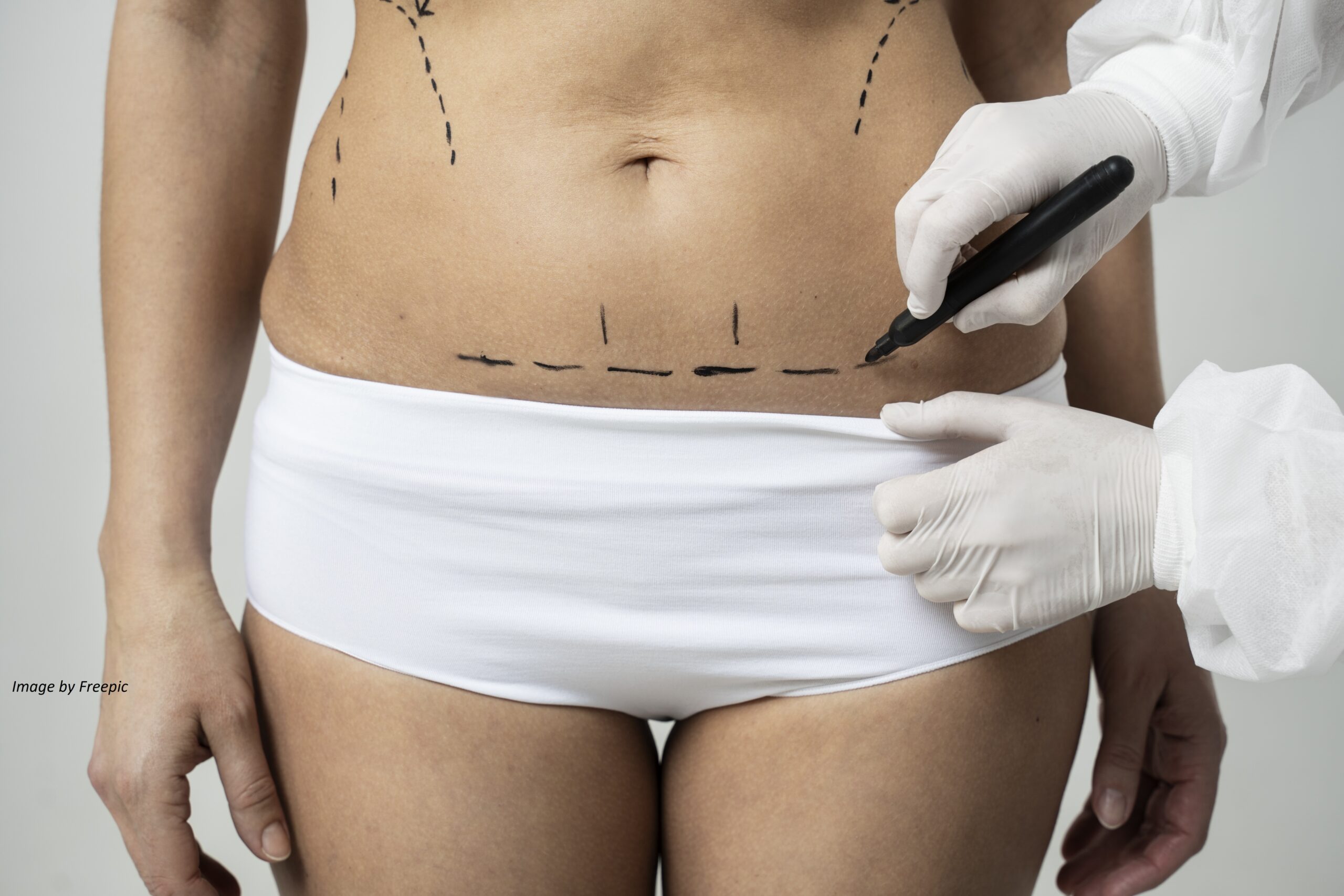
Body contouring has become an increasingly popular option for people who want to reshape specific areas of their bodies, remove stubborn fat deposits or address loose skin after substantial weight loss.
However, terms such as body contouring, body sculpting, liposuction and skin tightening are often used interchangeably, even though they describe procedures with different purposes, results and recovery requirements.
Body contouring is not a weight-loss treatment. Its primary purpose is to change body shape by reducing localized fat, removing excess skin or improving tissue contours.
This Tabeebo guide explains the differences between surgical and non-surgical body contouring, who may benefit, how recovery works and what the latest evidence reveals about patient safety and results.
What Is Body Contouring?
Body contouring refers to a group of procedures designed to reshape specific areas of the body.
These treatments may address:
- Localized fat deposits resistant to lifestyle changes.
- Loose or hanging skin after significant weight loss.
- Changes in abdominal shape following pregnancy.
- Skin laxity associated with aging.
- Unwanted contours around the arms, thighs, abdomen or waist.
The most important distinction is between fat reduction and skin removal.
Liposuction removes fat but generally does not correct substantial loose skin. A tummy tuck or body lift removes excess skin, sometimes together with fat and selected abdominal-wall repair. Non-surgical technologies generally offer more modest, localized changes.
Understanding this distinction can prevent unrealistic expectations and unnecessary procedures.
Types of Body Contouring: Surgical vs. Non-Surgical
| Procedure | Main purpose | Best suited for | Key limitation |
|---|---|---|---|
| Liposuction | Remove localized fat | Stubborn fat with reasonably elastic skin | Does not reliably remove loose skin |
| Tummy tuck | Remove abdominal skin and repair selected abdominal-wall changes | Loose skin after pregnancy or weight loss | Requires surgery and leaves scars |
| Body lift | Remove extensive loose skin | Significant weight loss affecting several areas | Longer recovery and extensive incisions |
| Arm or thigh lift | Remove sagging skin | Loose skin of upper arms or thighs | Visible scarring is possible |
| Cryolipolysis | Reduce small fat bulges through cooling | Selected localized fat deposits | Modest changes; rare serious complications |
| Radiofrequency or ultrasound | Improve selected contour or skin-laxity concerns | Mild localized changes | Results vary by device and indication |
| Magnetic muscle stimulation | Produce muscle contractions | Selected muscle-toning goals | Temporary effects and possible maintenance sessions |
The correct choice depends on whether the main concern is fat, excess skin, muscle-related contour, or a combination.
Surgical Body Contouring Procedures
1. Liposuction: Removing Stubborn Fat
Liposuction uses a thin surgical tube, called a cannula, to remove subcutaneous fat from selected areas.
Common treatment areas include the abdomen, flanks, thighs, upper arms and back.
Different techniques include conventional suction-assisted, power-assisted and ultrasound-assisted liposuction.
Although technologies vary, no technique should be considered universally superior without considering the patient’s anatomy and the surgeon’s experience.
Good candidates typically have localized fat deposits, relatively stable body weight and skin capable of adapting to the changed contour.
Liposuction does not remove visceral fat surrounding internal organs and is not a treatment for obesity.
For a detailed explanation, explore Tabeebo’s liposuction treatment guide.
2. Tummy Tuck (Abdominoplasty)
An abdominoplasty, commonly called a tummy tuck, removes excess abdominal skin and sometimes fat. It may also repair or tighten selected abdominal-wall structures.
This procedure can be particularly relevant after pregnancy or substantial weight loss.
Unlike liposuction, it can address hanging skin that does not retract sufficiently after fat reduction.
However, abdominoplasty involves incisions, anesthesia, scars and a longer recovery period.
Some patients benefit from combining liposuction and abdominoplasty, but this decision must account for operative time and individual risks.
Read more in our tummy tuck and abdominoplasty guide.
3. Body Lift After Major Weight Loss
A body lift involves removing substantial excess skin and reshaping several connected body regions.
A lower body lift may address the abdomen, flanks, buttocks and outer thighs. An upper body lift may involve the back and other upper-body regions.
These procedures are often considered following bariatric surgery or major weight reduction through lifestyle changes or medication.
Excess skin may cause difficulties with clothing, mobility, hygiene and recurrent irritation. Therefore, body contouring can address functional concerns as well as appearance.
Because a body lift is extensive surgery, it may involve longer incisions, drains, more demanding recovery and occasionally staged procedures.
Explore body lift treatment options and our complete body lift surgery guide.
4. Arm Lift and Thigh Lift
An arm lift, or brachioplasty, removes excess skin from the upper arms.
A thigh lift addresses sagging tissue around the thighs and may reduce uncomfortable skin friction.
These procedures can be useful when excess skin persists despite successful weight loss.
They also involve a trade-off: improved contour in exchange for surgical scars, whose position and visibility depend on the procedure.
Learn more about arm lift surgery.
Non-Surgical Body Contouring: What Actually Works?
Non-invasive contouring treatments generally aim to reduce small fat bulges, improve temporary skin firmness or change the appearance of cellulite without surgical incisions.
They are not equivalent to body lifts or liposuction.
Fat Freezing (Cryolipolysis)
Cryolipolysis uses controlled cooling to affect fat cells in targeted areas.
The body gradually clears damaged fat cells over the following months, potentially reducing a localized bulge.
Most patients require time before the change becomes visible, and treatment results are less dramatic than surgical fat removal.
A rare but important complication is paradoxical adipose hyperplasia (PAH), in which the treated fatty area becomes larger rather than smaller.
According to the US Food and Drug Administration (FDA), PAH may develop months after treatment and may require surgery to correct.
Cold-sensitive medical conditions, poor circulation and certain abdominal-wall problems may also make treatment unsuitable.
Radiofrequency, Ultrasound and Laser-Based Treatments
Radiofrequency devices heat selected tissues and may temporarily improve skin firmness or reduce the appearance of cellulite.
Some ultrasound-based technologies target subcutaneous fat using sound energy.
Laser and light-based treatments operate through different mechanisms depending on the device.
These approaches may be appropriate for modest aesthetic concerns, but effectiveness varies by technology, treatment area and patient characteristics.
Potential complications include burns, swelling, changes in pigmentation and, with certain devices, nerve injury.
Non-surgical does not mean risk-free. Patients should confirm the device’s authorization for its intended use and the provider’s training.
What Do the Latest Body Contouring Statistics Show?
The International Society of Aesthetic Plastic Surgery (ISAPS) released its 2025 Global Survey in September 2026.
Its findings included:
- Nearly 17.9 million surgical cosmetic procedures performed by plastic surgeons worldwide during 2025.
- Approximately 5.4 million body and extremity procedures.
- Liposuction ranking as the world’s second most common aesthetic surgical procedure, after eyelid surgery.
These figures describe worldwide aesthetic procedure activity, not the success rate of body contouring.
In the United States, the American Society of Plastic Surgeons (ASPS) reported approximately 317,196 liposuction procedures in 2025, making it the most frequently performed cosmetic surgical procedure in its dataset.
A New Trend: Body Contouring After GLP-1 Weight Loss
Weight-loss medications, including GLP-1-based treatments, have changed the questions many patients bring to plastic surgeons.
In a 2025 ASPS member survey, 82% of responding surgeons reported receiving consultation requests related to GLP-1 use.
This does not mean 82% of GLP-1 patients undergo surgery. It reflects surgeons’ reported consultation experiences.
Patients who have lost substantial weight may still have skin laxity, localized fat or changes in body proportions.
The clinical focus is increasingly on determining whether weight has stabilized and whether the patient is adequately nourished before considering surgery.
Which Body Contouring Procedure Is Right for You?
| Your main concern | Options worth discussing |
|---|---|
| Small, stubborn fat pockets | Liposuction or selected non-invasive fat reduction |
| Hanging abdominal skin | Abdominoplasty |
| Excess skin around several body areas | Body lift or staged skin-removal surgery |
| Sagging upper arms | Brachioplasty |
| Loose skin around the thighs | Thigh lift |
| Mild skin laxity or cellulite | Selected device-based treatments |
| General obesity or ongoing major weight loss | Weight-management care rather than cosmetic contouring |
This table is a starting point, not a substitute for clinical examination.
A qualified surgeon should evaluate skin elasticity, fat distribution, existing scars, abdominal-wall conditions and overall health before recommending a procedure.
Who Is a Good Candidate for Body Contouring?
Suitable candidates generally have realistic expectations, are medically fit for the proposed procedure and understand its limitations.
For major skin-removal surgery, weight stability is particularly important.
Other considerations include smoking or nicotine use, diabetes, previous abdominal surgery, nutritional status, medications and future pregnancy plans.
Patients after bariatric surgery or substantial weight loss may require nutritional assessment. A 2026 review highlighted the importance of identifying inadequate protein, vitamin and mineral intake before body-contouring surgery to support wound healing.
Patients taking GLP-1 medications should disclose them to their surgeon and anesthesia team and follow individualized medication instructions rather than stopping treatment independently.
Body Contouring Recovery: What to Expect
Recovery varies significantly with the treatment type, extent of surgery and individual health.
| Treatment | Typical initial recovery considerations |
|---|---|
| Non-invasive fat reduction | Often little interruption to normal activities, depending on side effects |
| Liposuction | Several days to weeks of swelling and activity modification |
| Tummy tuck | Several weeks of reduced activity; around six weeks for substantial recovery in many cases |
| Arm or thigh lift | Several weeks of wound care and activity restrictions |
| Extensive body lift | Longer recovery, potentially staged operations and extended support |
These are broad expectations, not guaranteed recovery times.
After surgery, patients may need compression garments, wound dressings and temporary drains. Swelling can persist for months, while scars continue maturing much longer.
The ASPS recommends early, appropriate walking after surgery to help reduce the risk of blood clots, together with individualized postoperative instructions.
Patients should seek urgent medical assessment for symptoms such as sudden shortness of breath, chest pain, fainting or marked one-sided leg swelling.
Risks and Complications of Body Contouring
All surgical procedures carry risks.
Possible complications include infection, bleeding, fluid accumulation, poor wound healing, unfavorable scars, changes in sensation, contour irregularities and anesthesia-related problems.
More serious complications include deep vein thrombosis and pulmonary embolism.
Risk varies according to medical conditions, procedure extent, operating time and surgical technique.
Non-surgical devices can also cause complications, including burns, persistent numbness and unexpected changes in contour.
The objective is not to find a supposedly risk-free treatment, but to select an appropriate option after understanding the benefits, alternatives and possible complications.
How Long Do Body Contouring Results Last?
Surgical fat removal or skin excision can create long-lasting changes.
However, results are not immune to aging, weight fluctuations or pregnancy-related changes.
Non-invasive treatments may produce more modest effects and sometimes require repeat sessions.
Maintaining a reasonably stable weight, following postoperative instructions and protecting overall health can help preserve results.
Patients should also expect scars after skin-removal procedures. Although scars often soften and fade, they do not disappear completely.
How Much Does Body Contouring Cost?
Body contouring prices vary substantially depending on the country, procedure, surgeon, facility and complexity of treatment.
The total cost may include surgeon and anesthesia fees, operating-room charges, medical investigations, compression garments, medications and follow-up appointments.
For extensive operations, travel expenses, time off work and potential revision surgery also need consideration.
Instead of comparing only advertised package prices, request a written quotation explaining what is included and how complications and postoperative follow-up will be managed.
For international patients, continuity of care after returning home is especially important.
Frequently Asked Questions
Is body contouring the same as weight loss?
No. Body contouring changes the shape of selected areas. It does not replace medical weight management, bariatric treatment or the health benefits of weight reduction.
Is liposuction better than a tummy tuck?
Neither is universally better. Liposuction primarily targets localized fat, while a tummy tuck removes excess abdominal skin and may address abdominal-wall changes.
Can body contouring remove loose skin without surgery?
Non-invasive devices may improve mild laxity, but they cannot reliably eliminate extensive hanging skin after major weight loss.
Is fat freezing permanent?
Fat cells affected by treatment may be cleared over time, but results vary and remaining fat cells can enlarge with weight gain. Some patients need additional treatment.
When should I consider contouring after weight loss?
Generally, after weight has stabilized and medical and nutritional readiness have been evaluated. The appropriate timing depends on the weight-loss method and planned procedure.
Does body contouring leave scars?
Skin-removal operations leave scars. Liposuction generally produces smaller incision scars, while non-invasive procedures usually do not involve surgical incisions.
Can several procedures be combined?
Sometimes. However, combining operations can increase complexity and risk. A surgeon may recommend staging procedures to prioritize safety.
Conclusion
Body contouring offers different solutions for different concerns, from small localized fat deposits to extensive loose skin after major weight loss.
The most effective choice is not necessarily the newest device or the most aggressive operation. It is the procedure that appropriately addresses the patient’s anatomy and goals while keeping risks acceptable.
Through Tabeebo, you can explore body contouring treatments and compare plastic and reconstructive surgeon profiles to better understand available options.
Medical References
- ISAPS — Global Survey 2025, released September 2026
- ASPS — Plastic Surgery Statistics
- FDA — Non-Invasive Body Contouring Technologies
- ASPS — Body Contouring After Major Weight Loss
- ASPS — Body Contouring Risks and Safety
- ASPS — Body Contouring Recovery
- ASPS — Nutrition Recommendations After Major Weight Loss, August 2026
- NHS — Liposuction
- NHS — Tummy Tuck (Abdominoplasty)
*Medical information updated through November 2026. This article