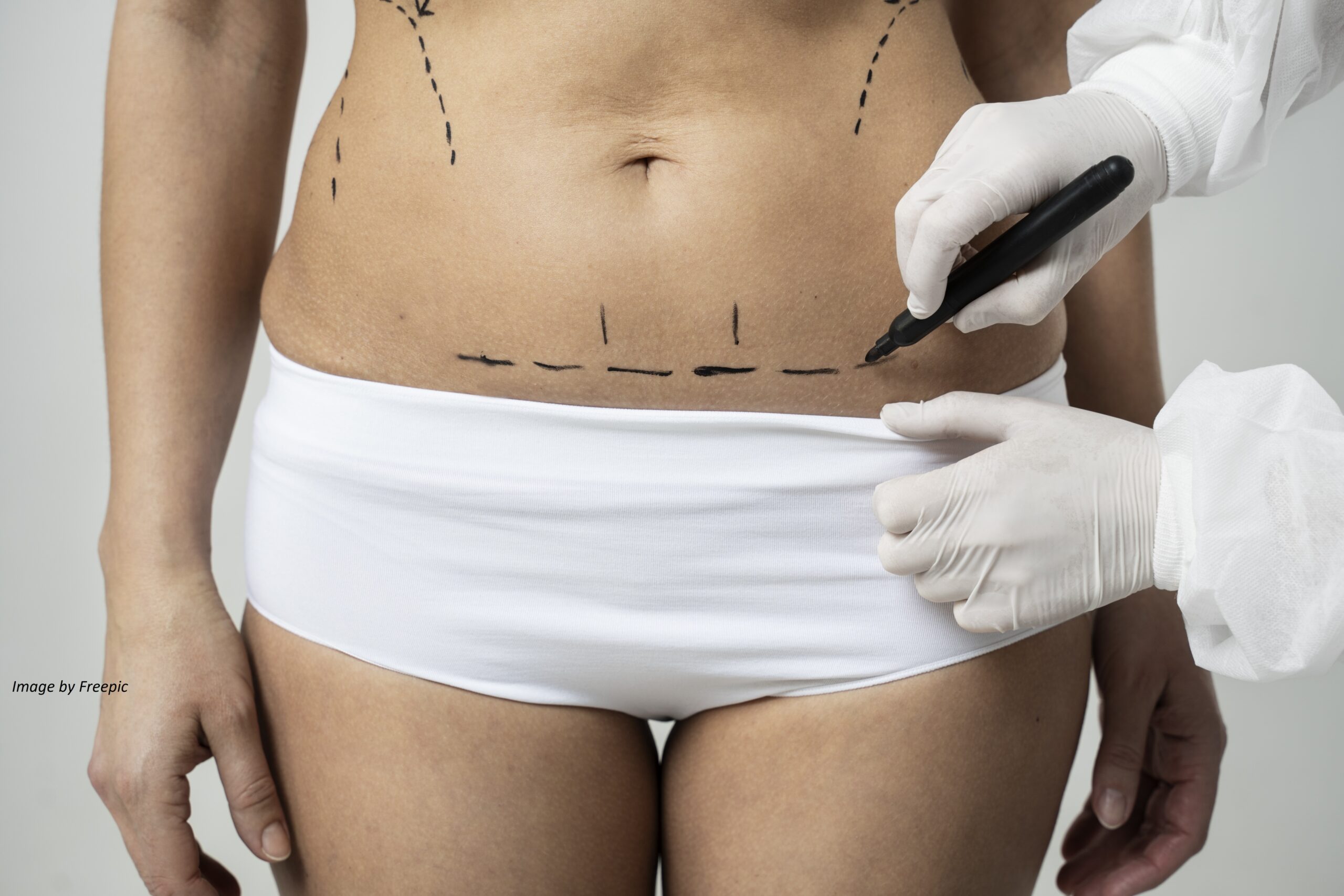
Cosmetic surgery trends in 2026 reveal a shift toward facial rejuvenation, body contouring after major weight loss, breast lifts and treatments intended to produce subtle, natural-looking results.
But the biggest changes are not always the ones dominating social media.
According to the latest global statistics from the International Society of Aesthetic Plastic Surgery (ISAPS), eyelid surgery is now the world’s most commonly reported cosmetic surgical procedure. Meanwhile, US data from the American Society of Plastic Surgeons (ASPS) shows increasing demand for facial fat grafting, facelifts and body-lifting procedures.
New technologies, artificial intelligence and regenerative treatments are also attracting attention. However, many of their advertised benefits still require stronger clinical evidence.
So what are the most popular cosmetic procedures in 2026, which trends are supported by real data, and what might change in 2027?
This updated Tabeebo guide explores eight major developments, separates established treatments from emerging techniques, and explains what patients should know before considering aesthetic surgery.
Cosmetic Surgery Statistics in 2026: What Do the Latest Global Reports Reveal?
The latest available worldwide data comes from procedures performed in 2025, with the findings published on September 29, 2026.
According to the ISAPS Global Survey 2025:
- Approximately 17.9 million surgical cosmetic procedures were performed by plastic surgeons worldwide.
- Approximately 17.3 million nonsurgical aesthetic procedures were reported.
- The combined estimate exceeded 35 million aesthetic procedures.
- Eyelid surgery ranked first among surgical procedures globally.
- Botulinum toxin remained the most common nonsurgical treatment.
- Facial and head surgery showed growth compared with 2024.
These estimates come from participating plastic surgeons and the survey’s statistical methodology. They do not count every aesthetic treatment performed by every healthcare professional worldwide.
Top Five Cosmetic Surgical Procedures Worldwide
| Global ranking | Procedure | Main purpose |
|---|---|---|
| 1 | Blepharoplasty (eyelid surgery) | Modify upper or lower eyelid tissues |
| 2 | Liposuction | Remove localized fat deposits |
| 3 | Breast augmentation | Increase or restore breast volume |
| 4 | Breast lift (mastopexy) | Reposition and reshape sagging breasts |
| 5 | Abdominoplasty (tummy tuck) | Remove excess abdominal skin and reshape the abdomen |
Source: ISAPS Global Survey 2025, released September 2026.
What Changed in the United States?
The ASPS 2025 Procedural Statistics Report, released in September 2026, reported a 7% increase in cosmetic surgical procedures compared with 2024.
Selected changes included:
| Procedure | US year-on-year change |
|---|---|
| Facial fat grafting | +39% |
| Brow/forehead lift | +29% |
| Neck lift | +21% |
| Arm lift | +21% |
| Thigh lift | +20% |
| Eyelid surgery | +19% |
| Facelift | +13% |
| Breast lift | +8% |
| Rhinoplasty | −5% |
These are US changes within the ASPS statistical framework, not worldwide growth rates.
The key trend: Patients appear increasingly interested in restoring contours and addressing tissue changes rather than pursuing a single dramatic alteration.
1. Minimally Invasive Cosmetic Treatments: Still Popular, but Not Risk-Free
The original 2024 trend was the rapid growth of nonsurgical procedures.
In 2026, the picture is more nuanced.
Injectables and energy-based skin treatments remain widely used, but demand is not increasing uniformly across every category.
According to ISAPS, the most frequently reported nonsurgical treatments in 2025 were:
| Treatment | Worldwide procedures reported |
|---|---|
| Botulinum toxin | Approximately 7.3 million |
| Hyaluronic-acid fillers | Approximately 4.7 million |
Other frequently reported procedures included nonsurgical skin tightening and hair removal.
Although injectables remain important, ISAPS reported a substantial decline in hyaluronic-acid filler procedures compared with the preceding survey.
This challenges the assumption that all minimally invasive treatments are experiencing uninterrupted growth.
Botulinum Toxin vs. Dermal Fillers vs. Biostimulatory Treatments
These procedures have different purposes:
Botulinum toxin: Temporarily relaxes selected muscles to soften expression lines.
Hyaluronic-acid fillers: Add or restore volume and may improve certain facial contours.
Biostimulatory injectables: Certain products aim to encourage collagen formation over time rather than producing only immediate volume replacement.
Patients should not assume that newer injectables are automatically safer, more effective or longer-lasting.
Are Cosmetic Injections Safe?
All injections carry risks.
The US Food and Drug Administration (FDA) warns that dermal fillers can cause bruising, infection, swelling and nodules.
Rare but serious complications can occur if filler enters a blood vessel, including tissue damage, stroke and blindness.
Even treatments described as lunchtime procedures or nonsurgical rejuvenation require appropriate professional qualifications and informed consent.
Can Nonsurgical Treatments Replace a Facelift?
Not always.
Injectable treatments may address selected wrinkles or volume changes, while a facelift repositions deeper tissues and addresses more substantial sagging.
The two approaches should not be advertised as interchangeable.
Explore facelift surgery and its limitations to understand when structural surgery may be considered.
2. Personalized Aesthetics and Natural-Looking Results
One of the clearest developments in 2026 is increasing attention to individual facial anatomy, body proportions and long-term results.
The objective for some patients is no longer to follow a particular celebrity’s features or a universally fashionable appearance.
Instead, consultations may emphasize achieving results that complement the patient’s own structure and preferences.
What Does Personalized Cosmetic Surgery Involve?
A personalized assessment may consider:
- Facial bone structure and soft-tissue distribution.
- Skin quality and elasticity.
- Existing scars and previous procedures.
- Age-related anatomical changes.
- Medical history and recovery risks.
- The patient’s expectations and preferences.
- Whether the proposed change can be achieved safely.
For example, two patients seeking rhinoplasty may require very different techniques.
One may need support for the nasal tip, while another may benefit from correcting a structural deviation affecting breathing.
The safest surgical plan should respect individual anatomy rather than attempt to reproduce an identical nose shape in every patient.
Does Natural-Looking Mean Minimal Surgery?
Not necessarily.
A subtle appearance can sometimes require complex surgery, especially when a surgeon must preserve structural support or correct a previous operation.
Similarly, a small incision does not automatically mean a procedure has fewer complications or a shorter recovery.
The appropriate treatment must be determined through medical assessment.
For more information, read the Tabeebo rhinoplasty guide.
3. Body Contouring After Weight Loss: The GLP-1 Effect
One of the most discussed cosmetic surgery developments in 2026 involves changes after substantial weight loss.
Medications in the GLP-1 receptor agonist and related drug classes, including treatments prescribed for obesity or diabetes, have changed the circumstances in which some patients consult plastic surgeons.
After significant weight loss, people may experience loose skin or changes in facial and body volume.
What Does the Research Show?
The ASPS reported that 82% of surveyed member surgeons received consultation requests related to GLP-1 medication use during 2025.
However, this does not prove that GLP-1 medications directly caused the reported increases in specific surgical procedures.
The observation is best understood as a growing clinical conversation about body changes after weight loss.
Procedures Patients May Consider After Major Weight Loss
| Procedure | Main concern addressed |
|---|---|
| Abdominoplasty | Excess abdominal skin and selected abdominal-wall changes |
| Body lift | Loose skin around the torso and lower body |
| Arm lift | Excess upper-arm skin |
| Thigh lift | Excess thigh skin |
| Breast lift | Changes in breast position after volume loss |
| Facelift or neck lift | Selected facial and neck tissue changes |
| Facial fat grafting | Loss of volume in suitable facial areas |
Liposuction vs. Skin-Removal Surgery
This distinction is especially important.
Liposuction removes selected fat deposits. It is not a treatment for generalized obesity and may not correct significant loose skin.
Abdominoplasty or a body lift can remove excess skin and reshape tissues when indicated.
Patients who have lost substantial weight may require tissue-removal procedures rather than additional fat removal.
Read more about liposuction and body contouring.
When Should Surgery Be Considered After Weight Loss?
The appropriate timing depends on weight stability, nutritional status, medical conditions and the individual procedure.
Significant weight loss can sometimes be associated with nutritional deficiencies or other factors that influence wound healing.
A surgeon may recommend postponing elective body contouring until the patient’s health and weight have stabilized sufficiently.
Not everyone who loses weight needs or wants surgery.
4. Breast Surgery Trends: More Lifts, Restoration and Individualized Implant Choices
Breast surgery continues to account for a substantial share of global aesthetic operations.
However, the 2026 trend is not simply toward larger implants.
Patients may consider different approaches depending on their desired size, breast position, tissue quality and changes following pregnancy, aging or weight loss.
What Changed in 2025?
ISAPS reported approximately 4.7 million breast procedures worldwide, representing a 5.7% increase compared with the previous survey.
The US ASPS data showed:
- Breast augmentation and implant revision together exceeded 300,000 procedures.
- Breast lifts increased 8%.
- Breast reductions increased 7%.
These are different statistical categories and should not be combined into a single global growth estimate.
Breast Augmentation vs. Breast Lift
| Procedure | Main purpose | Important limitation |
|---|---|---|
| Breast augmentation | Increase or restore breast volume | Implants require long-term monitoring |
| Breast lift | Improve breast position and contour | Does not substantially increase volume alone |
| Breast reduction | Reduce breast size and weight | Leaves scars and may affect sensation |
| Implant revision | Modify or replace existing implants | Carries additional surgical risks |
| Fat-transfer augmentation | Add modest volume using the patient’s fat | Some transferred fat may not survive |
The appropriate choice depends on anatomy and goals.
A breast lift may be suitable when the main concern is sagging, while an implant may be considered when additional volume is desired.
Some patients require neither.
Breast Implant Safety in 2026
Breast implants are not lifetime devices, and complications can include capsular contracture, rupture, changes in sensation and the need for future surgery.
The American Society of Plastic Surgeons also identifies an uncommon lymphoma called breast implant-associated anaplastic large cell lymphoma (BIA-ALCL), which has been linked particularly to textured implants.
Patients should discuss the proposed implant, its surface, potential risks and recommended monitoring.
Explore breast augmentation and breast lift surgery on Tabeebo.
5. Regenerative Aesthetics: PRP, Fat Grafting and Exosomes
Regenerative medicine was highlighted in Tabeebo’s original 2024 article.
In 2026, interest remains strong, but the difference between established procedures and experimental treatments has become especially important.
Facial Fat Grafting
Fat grafting transfers a patient’s own fat from one body area to another.
It can be used to restore selected facial volumes or improve contours in appropriate cases.
The ASPS recorded a 39% increase in facial fat-grafting procedures in the United States during 2025, the largest percentage increase among the surgical procedures it tracked.
However, the amount of transferred fat that survives can vary, and patients may require additional treatment.
Fat grafting should not be described as a guaranteed form of skin regeneration.
Platelet-Rich Plasma (PRP)
PRP is prepared from the patient’s own blood and contains a concentrated platelet component.
It is investigated and used for several indications, including selected skin and hair concerns.
The quality of evidence varies by condition, preparation method and treatment protocol.
Consequently, PRP should not be presented as a universally proven anti-aging therapy.
Exosomes and Stem-Cell Treatments
Some cosmetic clinics promote exosome products for skin rejuvenation, hair restoration and tissue repair.
But the FDA’s consumer warning on regenerative medicine states that there are no FDA-approved exosome products.
Products may be marketed using terminology that sounds scientifically advanced without adequately demonstrating safety, effectiveness or regulatory authorization.
Experimental regenerative treatments should not be advertised as routine, clinically proven alternatives to established procedures.
Patients should ask whether a product is authorized for its intended use in the country where treatment is offered.
6. Holistic Cosmetic Surgery: Mental Health, Recovery and Patient Expectations
An increasingly important part of aesthetic care is recognizing that a technically successful procedure does not always produce the emotional outcome a patient expects.
A responsible cosmetic consultation should consider both physical goals and psychological well-being.
Why Expectations Matter
A patient may expect surgery to solve a problem involving self-confidence, relationships or social acceptance.
Although a cosmetic procedure can improve satisfaction with a particular feature, it cannot guarantee emotional well-being or eliminate underlying psychological difficulties.
Patients should have the opportunity to discuss their motivations without pressure.
Where appropriate, a clinician may recommend further psychological assessment, particularly when expectations are unrealistic or there are concerns about significant body-image distress.
What Does Holistic Care Include?
A comprehensive care plan can address:
- Medical suitability and existing health conditions.
- Realistic expected results.
- Smoking and other factors affecting healing.
- Nutrition and postoperative recovery.
- Psychological preparedness.
- Pain management and activity restrictions.
- Long-term maintenance and possible revisions.
An elective procedure should be chosen because the patient understands and wants it—not because a trend suggests that a particular feature needs correcting.
7. Technology and AI in Cosmetic Surgery: What Is Established and What Is Emerging?
Technology continues to influence cosmetic surgery in areas such as planning, imaging and clinical documentation.
However, technological sophistication should not be confused with proven clinical superiority.
Three-Dimensional Imaging and Simulation
Some surgical practices use 3D imaging to help patients and surgeons discuss possible changes in facial or body contours.
These systems can improve communication and planning in selected circumstances.
But a simulated result is a visualization, not a guarantee of what the patient’s body will look like after healing.
Artificial Intelligence
Potential AI applications include:
- Assisting with clinical documentation.
- Organizing measurements and imaging data.
- Supporting selected surgical-planning workflows.
- Identifying patterns in clinical records.
- Improving administrative coordination.
Clinical AI tools must be appropriately evaluated for accuracy, bias, privacy and patient safety.
A system that produces attractive before-and-after simulations is not necessarily clinically validated.
Laser and Radiofrequency Treatments
Energy-based devices are used for certain skin and soft-tissue indications.
Some treatments may improve selected concerns involving texture, pigmentation or mild laxity.
However, they cannot reliably reproduce the structural effects of a facelift or major skin-removal surgery.
FDA Warning About RF Microneedling
On October 15, 2025, the FDA issued a safety communication on radiofrequency microneedling.
It highlighted reported complications including:
- Burns.
- Scarring.
- Unwanted fat loss.
- Disfigurement.
- Nerve damage.
- Injuries requiring additional treatment or surgery.
The warning does not mean every RF microneedling procedure is unsafe, but it does establish that the treatment should not be marketed as entirely risk-free or suitable for home use.
Does Newer Technology Mean Better Results?
Not automatically.
Patients should ask whether a proposed device or technique has demonstrated better outcomes for their specific condition, rather than assuming an expensive or heavily advertised technology is superior.
8. Changing Beauty Standards, Diversity and Demographic Trends
The original 2024 article described growing acceptance of diverse body types and personalized beauty.
That remains an important discussion, but it should not be confused with evidence that everyone is becoming more likely to undergo cosmetic surgery.
Cosmetic Surgery Is Not Just a Younger-Person Trend
The ASPS 2025 statistics reported different patterns across age groups.
| US age group | Change in cosmetic surgery procedures |
|---|---|
| Ages 18–25 | −9% |
| Ages 26–35 | −5% |
| Ages 36–45 | Approximately stable |
| Ages 46–55 | +8% |
| Ages 56–65 | +15% |
| Ages 66 and older | +24% |
These figures challenge the assumption that all recent growth in aesthetic surgery is driven by younger adults.
However, the data describes procedures within a particular US reporting system and should not be generalized automatically to other countries.
Cosmetic Surgery Among Men
Globally, the ISAPS 2025 survey identified eyelid surgery as the most frequently reported cosmetic surgical procedure among male patients, followed by gynecomastia surgery and rhinoplasty.
Meanwhile, treatment goals and preferences continue to vary widely between individuals.
The appropriate approach is to provide care based on anatomy, health, preferences and informed consent—not assumptions linked to gender, age or ethnicity.
What Are the Biggest Cosmetic Surgery Trends for 2027?
Looking ahead, the most important potential developments are best understood as research and market directions, not guaranteed predictions.
1. Further Evaluation of Weight-Loss-Related Surgery
As more people reach weight-maintenance phases after substantial weight loss, demand may continue for consultations about excess skin and changes in body contours.
However, future surgical volumes cannot be predicted reliably from consultation activity alone.
2. More Individualized Facial Rejuvenation
Surgeons may increasingly combine structural assessment, tissue repositioning and selected volume-restoration procedures.
This does not mean every patient benefits from combined surgery.
3. Greater Scrutiny of Regenerative Claims
As PRP, exosome-related products and other regenerative treatments attract commercial attention, regulatory scrutiny and stronger clinical trials will be important.
Patients should expect evidence of safety and effectiveness rather than accepting claims based only on biological theories.
4. More Research into Long-Term Outcomes
Surgical success should be assessed through complications, patient-reported outcomes, reoperation rates and long-term function—not only immediate before-and-after photographs.
5. Improved Digital Planning
Three-dimensional imaging and AI-based systems may support patient consultations and documentation, but their contribution to clinical results must be validated.
6. Greater Focus on Safety in Medical Tourism
Patients considering surgery abroad may increasingly seek information about professional licensing, surgical facilities, anesthesia, complications and follow-up care.
Choosing a lower-cost destination should never mean sacrificing access to appropriate medical care.
How to Choose a Cosmetic Procedure Safely in 2026
Before considering any surgical or nonsurgical aesthetic treatment, compare the medical benefits and risks.
| Question | Why it matters |
|---|---|
| What problem am I trying to address? | Helps identify whether treatment is necessary or suitable |
| Is this surgery, an injectable treatment or a device procedure? | Determines the type and severity of potential risks |
| What evidence supports the expected result? | Separates clinical findings from marketing claims |
| What qualifications does the provider hold? | Establishes relevant professional competence |
| Is the facility appropriately authorized? | Important for surgical and anesthesia safety |
| What are the likely complications? | Supports informed consent |
| Will I need maintenance or revision treatment? | Clarifies long-term expectations and costs |
| How long is recovery likely to take? | Helps plan work, travel and daily activities |
| What alternatives exist? | Avoids unnecessary or overly aggressive intervention |
Choosing Surgery Abroad
For patients considering treatment in Turkey, the UAE or another destination, the same standards should apply.
Verify professional licenses, the actual operating facility, emergency resources and who will provide postoperative care after returning home.
A procedure’s popularity in a destination does not establish its clinical quality or safety.
Frequently Asked Questions About Cosmetic Surgery Trends
What is the most popular cosmetic surgery in the world in 2026?
According to the latest ISAPS global survey, covering procedures performed in 2025 and published in September 2026, blepharoplasty (eyelid surgery) ranked first, followed by liposuction and breast augmentation.
What is the fastest-growing cosmetic procedure?
It depends on the population and period studied. In the United States, facial fat grafting increased 39% in 2025, according to ASPS. This should not be described as the fastest-growing procedure worldwide.
Are facelifts becoming more popular?
The ASPS reported a 13% increase in facelift procedures in the United States during 2025. Individual regional and global trends may differ.
Are breast implants becoming less popular?
Not universally. Breast augmentation remains among the most commonly performed operations worldwide. Some patients prefer smaller implants, breast lifts or other options, but there is no single worldwide preference applicable to everyone.
What is a GLP-1 makeover?
It is a marketing term sometimes used for combinations of face or body procedures considered after substantial weight loss. It is not a standardized medical operation or a treatment that everyone using weight-loss medication needs.
Can fat transfer replace dermal fillers?
Fat transfer and fillers have different techniques, risks and degrees of predictability. The most appropriate option depends on the anatomical area and treatment goals.
Are exosome treatments approved for cosmetic rejuvenation?
The FDA states that no exosome products are FDA-approved in the United States. Regulatory status elsewhere must be checked individually, and marketing claims should not be confused with evidence of effectiveness.
Is radiofrequency skin tightening completely safe?
No procedure is risk-free. The FDA has warned about serious complications reported with certain uses of RF microneedling.
Can AI accurately predict plastic surgery results?
AI and 3D visualization may assist with planning or communication, but a simulated appearance is not a guaranteed surgical outcome.
Will cosmetic surgery trends in 2027 be the same as in 2026?
Not necessarily. Demographics, clinical evidence, regulation, technology and patient preferences may change. Forecasts should be distinguished from confirmed procedure statistics.
Explore Cosmetic Surgery Treatments on Tabeebo
Tabeebo helps patients discover and compare medical professionals, clinics and hospitals across different specialties and locations.
Explore the cosmetic surgery treatment directory to learn about available procedure categories.
For more detailed information, visit:
Tabeebo is a healthcare discovery platform. A professional’s listing does not guarantee a particular treatment result.
Before arranging any elective procedure, confirm the provider’s qualifications, the clinical indication, risks, total costs and postoperative arrangements.
Conclusion: The Future of Cosmetic Surgery Is More Evidence-Driven
Cosmetic surgery in 2026 is characterized by growing attention to facial restoration, body contouring after weight loss, individualized breast surgery and more refined treatment planning.
The latest ISAPS and ASPS reports demonstrate that traditional procedures such as eyelid surgery, liposuction, breast augmentation and facelifts remain important despite the attention given to emerging technologies.
At the same time, regenerative treatments, AI-based planning and energy devices require careful evaluation of their actual benefits and potential harms.
The most meaningful progress in cosmetic surgery is not simply the introduction of more procedures or devices.
It is giving patients better evidence, realistic expectations, safer treatment options and reliable information with which to make informed choices.
Medical and Scientific References
- ISAPS — Global Survey 2025, Published September 29, 2026
- ASPS — 2025 Procedural Statistics Report, Published September 1, 2026
- ASPS — 2025 Plastic Surgery Statistics
- ASPS — Looking Into the Future: Plastic Surgery Trends for 2026
- ASPS — Plastic Surgery at Every Age
- FDA — Dermal Fillers: Benefits and Risks
- FDA — Warning About RF Microneedling, October 2025
- FDA — Consumer Alert on Stem-Cell and Exosome Products
- ASPS — Breast Implant-Associated Lymphoma and Implant Safety
- ASPS — 2027 Plastic Surgery Trend Predictions
Research and safety information reviewed November 20, 2026. This article is educational and does not replace individualized medical assessment by a qualified healthcare professional.