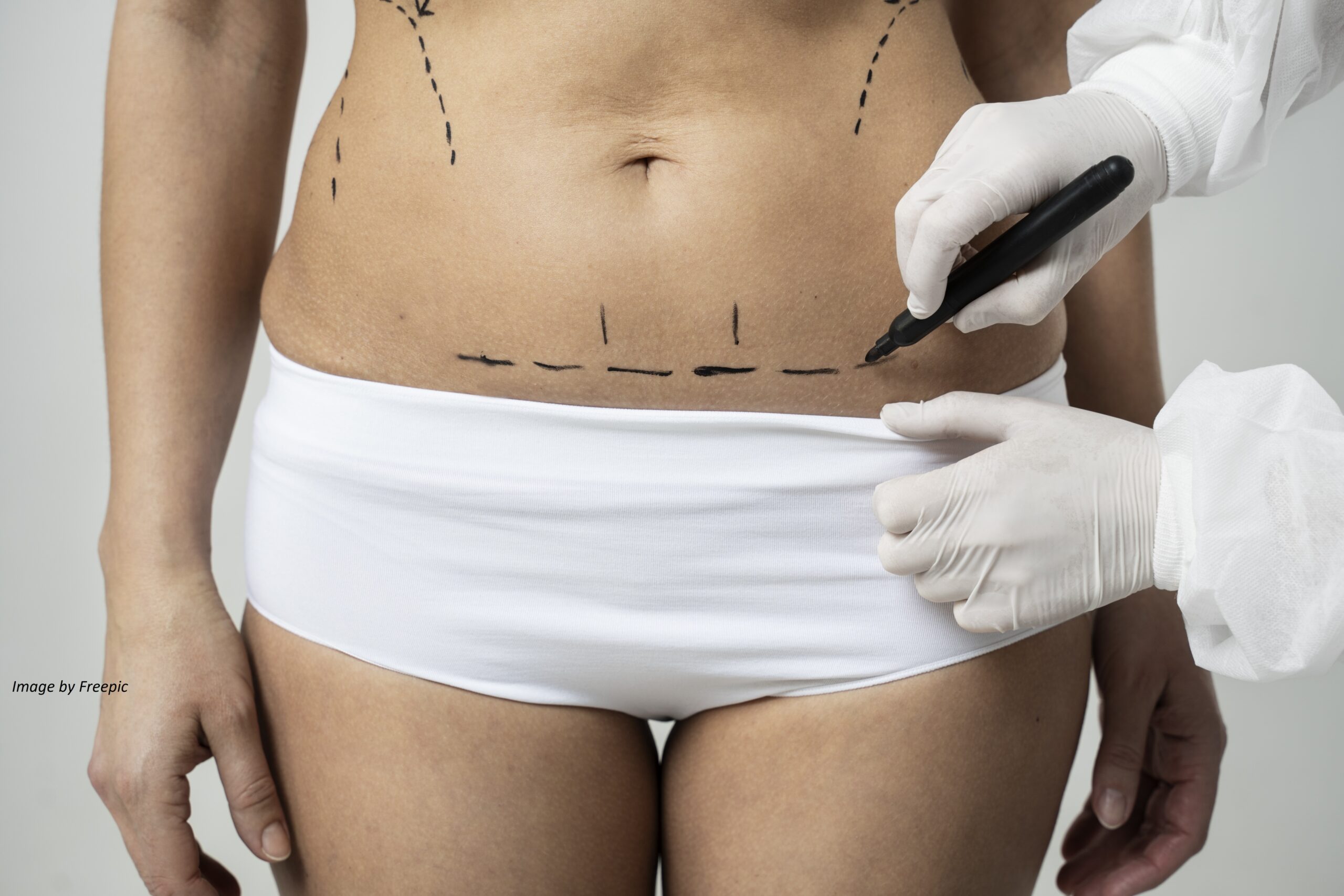
Knee replacement surgery, also known as knee arthroplasty, is an orthopedic procedure designed to reduce severe joint pain and improve movement by replacing damaged joint surfaces with artificial components.
It is commonly considered for people with advanced knee osteoarthritis whose pain, stiffness and mobility problems substantially affect daily life despite appropriate nonsurgical treatment.
But when is knee replacement necessary? Is partial replacement better than total replacement? Does robotic surgery improve outcomes? And how long does an artificial knee last?
This updated guide explains what patients need to know, incorporating clinical guidelines and research published through November 2026.
What Is Knee Replacement Surgery?
A knee replacement involves removing damaged cartilage and small amounts of underlying bone from selected joint surfaces and replacing them with an artificial implant.
The main components commonly include metal surfaces attached to the thighbone and shinbone, along with a durable polyethylene bearing.
Depending on the patient’s anatomy, the surgeon may also resurface the back of the kneecap.
The goal is to reduce pain and improve daily function. The procedure does not necessarily recreate the exact sensation or movement of a healthy natural knee.
Types of Knee Replacement: Total vs. Partial vs. Revision
| Procedure | What is replaced? | Typical indication |
|---|---|---|
| Total knee replacement (TKR/TKA) | Damaged surfaces across the major knee compartments | Widespread advanced arthritis |
| Partial knee replacement (PKR/UKA) | A selected compartment | Arthritis confined to an appropriate part of the knee |
| Patellofemoral replacement | Joint surface between kneecap and thighbone | Selected isolated patellofemoral arthritis |
| Revision knee replacement | Some or all components from a previous replacement | Infection, loosening, instability or other implant problems |
Total Knee Replacement
A total knee replacement treats the affected surfaces of the joint using a prosthesis that restores smoother movement.
It is often considered when arthritis involves more than one compartment or when the joint has significant deformity.
Partial Knee Replacement
A partial replacement preserves more of the original knee structure.
It may offer a shorter early recovery in appropriately selected patients, but requires suitable ligaments and arthritis limited to the intended area.
Is Partial Knee Replacement Better?
A 10-year follow-up of the randomized TOPKAT trial, published in 2026, found broadly comparable clinical outcomes and reoperation rates between partial and total replacement.
By treatment received, revision occurred in 6% of the partial-replacement group and 4% of the total-replacement group. By randomized treatment allocation, revisions were approximately 5% in each group.
Partial replacement also appeared more cost-effective in the trial.
However, wider registry studies sometimes report higher revision rates for certain partial implants. Differences in patient selection, implant design and surgeon experience matter.
Neither technique is universally better.
When Is Knee Replacement Necessary?
Patients may be referred for assessment when they experience:
- Persistent pain interfering with walking, sleep or everyday activities.
- Significant stiffness or reduced knee movement.
- Difficulty climbing stairs or getting up from a chair.
- Advanced joint damage associated with osteoarthritis.
- Progressive deformity, such as bowing or instability.
- Insufficient relief from appropriate nonsurgical treatment.
According to NICE guidance on osteoarthritis, referral should reflect the effect of symptoms on quality of life and the response to treatment—not age or an X-ray score alone.
Older age or a higher body mass index should not automatically prevent referral, although individual surgical risks must be discussed.
Can Knee Replacement Be Avoided? Nonsurgical Alternatives
Not every patient with knee arthritis needs surgery.
| Treatment | Potential role |
|---|---|
| Therapeutic exercise | Improve strength, flexibility and function |
| Weight management | Reduce symptoms where excess weight is contributing |
| Topical anti-inflammatory medication | Relieve pain in suitable patients |
| Oral anti-inflammatory medication | Selected short-term symptom control |
| Walking aids | Reduce discomfort and improve stability |
| Corticosteroid injections | Short-term symptom relief in selected cases |
| Physiotherapy | Improve strength, balance and movement |
NICE recommends tailored exercise and weight management as core treatments.
It recommends topical NSAIDs for knee osteoarthritis and advises against routinely offering intra-articular hyaluronan injections.
Corticosteroid injections may be considered in selected circumstances for short-term relief.
Should Surgery Be Delayed for More Treatment?
The 2023 ACR/AAHKS guideline conditionally recommends against unnecessary delay for additional nonsurgical treatment when a patient with advanced symptomatic arthritis has already tried appropriate treatment and has chosen surgery.
However, improving medical conditions such as uncontrolled diabetes or addressing smoking-related risks may justify delaying an elective operation.
The decision should be individualized.
How Is Knee Replacement Surgery Performed?
The operation generally lasts around one to two hours, although the time can vary.
Step 1: Preoperative Assessment
The surgical team reviews symptoms, imaging, medical history, medications and the patient’s overall health.
Blood tests and other investigations may be required.
Step 2: Anesthesia
The operation may be performed under general anesthesia or spinal anesthesia, sometimes with additional regional pain-control techniques.
Step 3: Preparing the Joint
The surgeon exposes the knee and removes damaged surfaces while carefully planning alignment and ligament balance.
Step 4: Implant Placement
Metal and polyethylene components are placed to create new load-bearing surfaces.
Depending on the implant, fixation may be cemented or cementless.
Step 5: Closure and Early Rehabilitation
The surgical wound is closed, and an early-mobility and rehabilitation plan begins when medically appropriate.
Patients should understand exactly which implant is planned and why it has been selected.
Robotic Knee Replacement: Is It Better Than Conventional Surgery?
Robotic-assisted surgery uses planning and guidance technology to help position implants and prepare bone.
It may improve certain measurements of alignment accuracy.
But does that translate into less pain or better function?
Landmark 2026 Randomized Trial
A September 2026 trial published in The Lancet randomized 339 patients at ten UK hospitals to robotic-assisted or conventional total knee replacement.
At 12 months, the average Forgotten Joint Score was:
| Group | Mean score |
|---|---|
| Robotic-assisted | 49.2 |
| Conventional | 50.2 |
The difference was not statistically significant.
The robotic procedure was more costly and did not produce a clinically meaningful improvement in patient-reported outcomes in this trial.
A separate 2026 meta-analysis of randomized trials found better radiographic alignment in some measures but broadly similar clinical outcomes.
Robotic technology can assist a surgeon; it does not guarantee a better outcome.
How Long Does a Knee Replacement Last?
Many artificial knee joints function well for 15–20 years or longer.
The 2026 UK National Joint Registry report provides important long-term evidence.
For one common cemented, cruciate-retaining, fixed-bearing total-knee configuration, the estimated revision rate at 20 years was approximately 5.22%.
This does not mean every knee implant has a 94.78% survival probability in every patient.
The result applies to a particular implant configuration and registry population, with the outcome defined as revision surgery.
It also does not guarantee that a person will be entirely free of pain or stiffness.
Age, activity, body weight, implant design, infection and surgical technique can influence longevity.
Knee Replacement Recovery Timeline
Recovery is gradual.
According to the NHS recovery guidance:
| Period | Typical milestone |
|---|---|
| First 24–48 hours | Assisted standing, walking and early movement |
| Days 1–4 | Some patients return home when medically stable and mobile |
| Weeks 1–2 | Wound care, swelling control and supervised exercises |
| Weeks 3–6 | Walking and daily independence gradually improve |
| Weeks 6–12 | Many return to work or routine activities, depending on their demands |
| Months 3–12 and beyond | Further gains in strength, mobility and confidence |
Full recovery may take several months or longer. The often-advertised six-week recovery period is not a guarantee of complete healing.
Why Physiotherapy Matters
Rehabilitation helps restore knee extension, bending, walking, balance and muscle strength.
Exercises should follow the program provided by the treating physiotherapist and surgeon.
Some discomfort is expected, but increasing activity too quickly may worsen swelling or pain.
Driving should resume only when it is medically safe, leg control is sufficient and medications do not impair alertness.
Risks and Complications of Knee Replacement Surgery
Although many patients recover without major complications, knee replacement remains a significant operation.
Possible risks include:
- Deep vein thrombosis (DVT).
- Pulmonary embolism.
- Surgical-site or deep prosthetic-joint infection.
- Bleeding.
- Nerve, blood-vessel or ligament injury.
- Persistent stiffness or pain.
- Implant instability or loosening.
- Fracture around the implant.
- Need for revision surgery.
Warning Signs After Surgery
| Symptom | Recommended action |
|---|---|
| Increasing knee redness, warmth, drainage or fever | Urgent medical assessment |
| New calf pain or marked leg swelling | Prompt assessment for possible clot |
| Chest pain or sudden difficulty breathing | Emergency medical care immediately |
| Severe uncontrolled pain or sudden loss of function | Urgent assessment |
| Wound opening or persistent bleeding | Contact the surgical team urgently |
The NHS complications guide emphasizes early recognition of infection and blood clots.
Expected Results: Will I Walk Normally Again?
Many patients experience substantial improvements in pain and walking ability, but results vary.
The 2026 American Joint Replacement Registry reported that 65% of knee-replacement patients with linked preoperative and approximately one-year patient-reported scores met a specified threshold for substantial clinical benefit.
That percentage does not describe all operations in the registry, and it is not a guaranteed personal success rate.
Some patients continue to experience pain, stiffness, limitations with kneeling or dissatisfaction with certain movements.
Low-impact activities such as walking, cycling and swimming are commonly encouraged after suitable recovery. High-impact activities should be discussed individually.
How Much Does Knee Replacement Surgery Cost?
The final cost depends on:
- Country and hospital.
- Surgeon and anesthetist fees.
- Total versus partial or revision surgery.
- Implant type and brand.
- Tests and preoperative assessment.
- Hospital stay and medication.
- Physiotherapy and follow-up.
- Insurance coverage and complications.
There is no reliable single international average cost.
For patients seeking treatment abroad, a quotation must identify whether the implant, hospitalization, anesthesia and rehabilitation are included.
Avoid comparing basic surgical fees with complete hospital packages.
How to Choose a Knee Replacement Surgeon
When selecting an orthopedic surgeon, ask:
- How much experience do you have with my type of knee replacement?
- Is total or partial replacement more appropriate for my condition?
- Which implant do you recommend, and what long-term data support it?
- What results and complications should I realistically expect?
- Would robotic assistance offer any meaningful benefit for my case?
- How will blood clots and infections be prevented?
- What physiotherapy and follow-up will I need?
- What happens if revision surgery becomes necessary?
Frequently Asked Questions
What is the best age for knee replacement?
There is no universally best age. Symptoms, joint damage, general health and expected benefits matter more than age alone.
Is partial knee replacement less invasive?
It treats a smaller part of the knee in suitable cases and may allow earlier recovery, but it is not appropriate for everyone.
Can knee replacement cure arthritis permanently?
It replaces damaged surfaces and can substantially relieve symptoms. It does not eliminate arthritis elsewhere or guarantee a pain-free knee.
Can I kneel after knee replacement?
Some patients can, but others experience discomfort or reduced confidence. Ask your surgeon when kneeling is safe.
How long will my artificial knee last?
Many implants last 15–20 years or longer, but individual longevity cannot be guaranteed.
Is robotic knee replacement worth the extra cost?
The 2026 RACER-Knee trial did not find a meaningful patient-reported benefit at 12 months. Its value should be discussed for your specific case.
Can I travel abroad after surgery?
Travel requires medical clearance and a plan for blood-clot prevention, wound assessment and rehabilitation. Long journeys soon after surgery may increase risks.
Find Knee Replacement Specialists on Tabeebo
Tabeebo helps patients explore orthopedic professionals and compare specialties, locations and publicly available services.
You can visit the knee replacement treatment directory, explore knee surgeons and compare orthopedic surgeons.
Before committing to surgery, verify the specialist’s qualifications, the facility’s standards, the implant proposed and the rehabilitation plan.
Conclusion
Knee replacement can significantly improve quality of life for patients with advanced arthritis who continue to experience severe pain and restricted mobility.
However, choosing surgery involves more than selecting an implant or the newest technology.
The best treatment is the one that matches the patient’s joint damage, medical risks, functional goals and ability to complete rehabilitation.
Medical References
- UK National Joint Registry — 2026 Annual Report
- AAOS — American Joint Replacement Registry, 2026
- TOPKAT — Ten-Year Total vs. Partial Knee Replacement Trial
- RACER-Knee — 2026 Robotic vs. Conventional Randomized Trial
- 2026 Systematic Review of Robotic Knee Replacement
- NICE — Osteoarthritis Diagnosis and Management
- ACR/AAHKS — Timing of Knee Replacement
- NHS — Preparing for Knee Replacement
- NHS — Recovery After Knee Replacement
- NHS — Knee Replacement Complications
Medical information reviewed November 20, 2026. This article is educational and does not replace individualized assessment by an orthopedic surgeon.