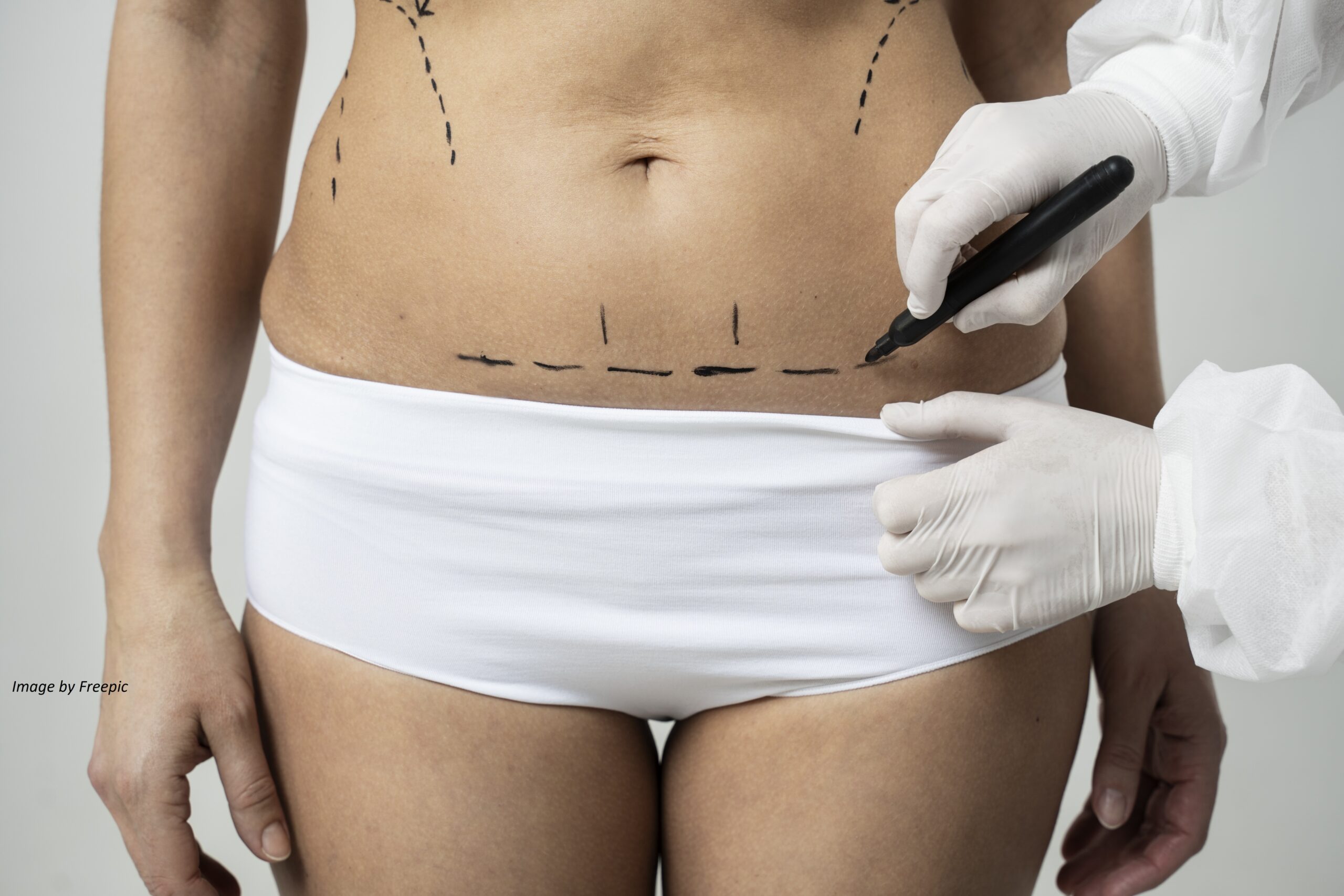
What is the difference between CO2 and fractional laser treatment? Is laser hair removal permanent? Can lasers improve acne scars, pigmentation, wrinkles and tattoos? And are laser procedures safe for every skin tone?
Laser technology is used across several areas of modern medicine, from dermatology and cosmetic procedures to ophthalmology, dentistry, urology and selected cancer treatments.
However, not all lasers work in the same way.
A device designed to reduce unwanted hair is fundamentally different from a laser used to resurface skin, correct vision or break up a kidney stone.
And while laser procedures can provide meaningful benefits, the word “laser” does not automatically mean a treatment is safer, more effective or less invasive than the alternatives.
In this comprehensive Tabeebo guide, we explain laser types, their medical and cosmetic applications, the differences between devices, possible complications, recovery and relevant scientific developments through November 2026.
What Is Laser Therapy and How Does It Work?
The word LASER stands for Light Amplification by Stimulated Emission of Radiation.
Medical lasers produce controlled light energy with specific physical properties, including wavelength and pulse duration.
When laser energy reaches tissue, it may be absorbed by substances known as chromophores.
In dermatology, important chromophores include:
- Melanin: The pigment that gives skin and hair their colour.
- Haemoglobin: A component of red blood cells.
- Water: A principal target of several resurfacing and surgical lasers.
Absorbed energy can create controlled heating, remove tissue or stimulate a healing response.
Some ultra-short-pulse lasers also use photomechanical effects to disrupt pigment particles.
The outcome depends on the laser’s settings, the target tissue, the patient’s characteristics and the operator’s training.

Main Types of Medical and Aesthetic Lasers
| Laser technology | Main characteristic | Selected applications |
|---|---|---|
| CO2 | Strong absorption by tissue water | Ablative resurfacing and selected surgical procedures |
| Er | Controlled removal of superficial tissue | Skin resurfacing and certain scar treatments |
| Alexandrite 755 nm | Strong interaction with melanin | Hair reduction and selected pigment treatments |
| Diode | Several wavelengths, commonly around 800–810 nm | Hair reduction |
| Nd 1064 nm | Relatively deeper penetration and lower epidermal melanin absorption | Hair reduction in darker skin and selected vascular treatments |
| Pulsed dye laser (PDL) | Targets haemoglobin | Vascular birthmarks and certain redness-related conditions |
| Q-switched and picosecond systems | Very short energy pulses | Tattoo removal and selected pigment disorders |
The device’s wavelength is only one factor. Pulse duration, fluence, cooling, treatment area and skin type also influence results.
Ablative Lasers
Ablative lasers, including CO2 and Er devices, remove controlled amounts of skin tissue to promote resurfacing and healing.
They may be used for selected wrinkles, acne scars, sun damage and skin-texture concerns.
Potential benefits must be balanced against recovery time and risks such as infection, pigment changes and scarring.
Non-Ablative Lasers
Non-ablative lasers deliver energy without broadly removing the skin’s outer surface.
Depending on the device, they may stimulate collagen remodelling or target vascular and pigment-related abnormalities.
They often produce less surface disruption than ablative systems, but results may be more gradual and multiple sessions can be necessary.
Fractional Lasers
Fractional treatment describes how energy is delivered—not a separate laser wavelength.
Fractional devices treat microscopic zones while leaving surrounding tissue relatively intact.
Both ablative and non-ablative lasers can operate in fractional modes.
For example, fractional CO2 resurfacing combines a CO2 wavelength with fractional energy delivery.
Q-Switched and Picosecond Lasers
These systems produce short pulses designed for selected pigment-related treatments.
Picosecond pulses are shorter than traditional nanosecond pulses.
However, newer technology does not guarantee better outcomes for every condition.
Treatment selection should be based on the clinical indication, pigment characteristics, skin type and available comparative evidence.
Laser Hair Removal: Is the Result Permanent?
Laser hair removal uses light absorbed by melanin in hair to damage susceptible follicles and reduce future growth.
It generally works best on darker, coarser hair.
Very light blonde, white, grey and some red hair contain less pigment and respond less reliably.
How Many Sessions Are Needed?
The American Academy of Dermatology (AAD) reports that many patients need approximately two to six treatments or more, depending on the treatment area and individual characteristics.
Some patients experience major hair reduction lasting months or years, while others need maintenance treatments.
Hair growth can also be influenced by hormones, especially on the face.
Long-term hair reduction is a more realistic general expectation than guaranteed removal of every hair forever.
Learn more through Tabeebo’s laser hair removal treatment page.
Source: AAD — Laser Hair Removal FAQs.
Alexandrite vs. Diode vs. Nd:YAG: Which Laser Is Best?
Choosing a hair-removal device depends on skin colour, hair characteristics and the clinician’s experience.
| Laser | Potential strength | Important consideration |
|---|---|---|
| Alexandrite 755 nm | Often effective for dark hair on lighter skin | Greater caution may be needed in darker or recently tanned skin |
| Diode | Flexible device configurations | Outcomes depend on the particular system and settings |
| Long-pulsed Nd 1064 nm | Often considered for darker skin types | Appropriate technique, cooling and parameter selection remain essential |
There is no single device that is best for every combination of skin and hair.
Are Lasers Safe for Darker Skin?
Laser treatment can be appropriate for people with darker skin, but it requires careful selection and monitoring.
A clinical review published in the Journal of the American Academy of Dermatology in August 2026 examined laser and energy-device use in Fitzpatrick skin types IV–VI.
The researchers highlighted increased risks of post-inflammatory hyperpigmentation, hypopigmentation, blistering and scarring when treatment parameters are unsuitable.
They emphasized individualized settings, sun protection and experience treating the patient’s skin type.
The findings reinforce an important principle: a specific laser may be appropriate for darker skin, but no device is risk-free simply because it has a favourable wavelength.
Source: Dreifus et al., 2026 — Laser and Energy-Based Device Use in Skin of Color.
Laser Skin Resurfacing and Facial Rejuvenation
Laser resurfacing can help improve selected concerns involving skin texture, fine lines, scars and certain signs of photoaging.
The results vary by device, treatment intensity, skin characteristics and healing response.
CO2 Resurfacing
CO2 lasers are commonly used in ablative skin resurfacing.
They may produce meaningful improvement in selected texture or scar problems but can require greater recovery time and careful aftercare.
Er Resurfacing
Er technology can remove superficial tissue with controlled energy delivery.
Its suitability depends on the target problem and treatment depth.
Non-Ablative Fractional Treatment
Non-ablative fractional devices are often selected when less surface disruption is desired.
However, treatment may require multiple sessions, and the improvements may be more modest.
No laser can stop biological ageing or guarantee permanently youthful skin.
For more information, see Tabeebo’s laser skin resurfacing page.
Can Lasers Remove Acne Scars?
Certain laser procedures can improve the visibility of some acne scars, particularly depressed scars associated with changes in skin texture.
They work partly by encouraging tissue remodelling and collagen production.
However, acne scars differ considerably.
- Depressed scars may respond to resurfacing or combinations with other procedures.
- Raised scars and keloids may require different approaches, including injections or other treatments.
- Red scars may benefit from selected vascular lasers.
Dermatologists sometimes combine laser therapy with subcision, microneedling, fillers or other treatments.
The objective is generally scar improvement, not guaranteed complete removal.
Source: AAD — Acne Scars: Consultation and Treatment.
Laser Treatment for Active Acne: What Does the Evidence Say?
Active acne and acne scarring are separate clinical problems.
Laser and light-based therapies are being studied for specific forms of active acne, and some patients may benefit.
However, the evidence does not support presenting one laser as a universal solution for blackheads, whiteheads, papules, cysts and nodules.
The AAD’s updated 2024 acne guidelines found insufficient evidence to make broad recommendations for several procedural approaches, including lasers and other light-based treatments.
Established acne medications and individualized dermatological care remain important.
Source: AAD — Updated Guidelines for Acne Management.
Laser Treatments for Pigmentation and Melasma
Some lasers can target selected pigmented lesions, but a diagnosis is essential before treatment.
Not all brown patches or spots have the same cause.
Melasma is particularly complex because it tends to recur and can be worsened by sunlight, visible light and inflammation.
Treatment commonly begins with appropriate sun protection and, where indicated, prescribed topical medication.
Lasers or light-based procedures may be considered as additional treatments in selected patients.
However, poorly chosen laser settings can worsen pigmentation.
Patients with melasma may benefit from a broad-spectrum sunscreen and, in some cases, tinted products containing iron oxides to help protect against visible light.
A changing mole or suspicious lesion should be medically evaluated before cosmetic removal, rather than destroyed without an appropriate diagnosis.
Source: AAD — Melasma: Diagnosis and Treatment.
Laser Tattoo Removal: Can Every Colour Be Removed?
Tattoo-removal lasers deliver energy that disrupts pigment particles, allowing the body to clear some of the fragments over time.
Common technologies include Q-switched and picosecond systems.
Success depends on factors such as:
- Ink colour and composition.
- Tattoo depth and age.
- Whether the tattoo is professional or amateur.
- Skin type.
- Laser wavelength and settings.
- Number of treatments and healing response.
Multiple sessions are usually needed, and complete clearance cannot always be achieved.
What Do the 2025–2026 Studies Show?
A 2025 systematic review and meta-analysis included 20 randomized trials and one retrospective comparison involving 971 patients.
Picosecond and nanosecond lasers produced broadly comparable results for certain endogenous pigmentation conditions, although picosecond systems showed advantages in selected outcomes.
A separate 2026 systematic review of Nd tattoo removal found that meaningful clearance of black and blue tattoos was possible, usually through several sessions.
However, the evidence did not establish consistent superiority for every picosecond system across every tattoo type.
The appropriate technology depends on the specific tattoo; the newest device is not automatically the best choice.
Explore Tabeebo’s tattoo removal treatment page.
Sources: 2025 Comparative Meta-Analysis and 2026 Nd Tattoo Removal Review.
Vascular Lasers: Treating Redness and Visible Blood Vessels
Pulsed dye lasers and certain other devices can target haemoglobin in superficial blood vessels.
Possible indications include selected:
- Vascular birthmarks.
- Superficial visible vessels.
- Persistent redness-related conditions.
- Redness associated with some scars.
The correct treatment depends on the lesion’s diagnosis, depth and other clinical features.
Some patients require several sessions.
Temporary bruising, swelling or pigment changes can occur.
Medical Applications of Lasers Beyond Cosmetic Dermatology
Lasers are also used in specialized medical procedures.
Ophthalmology: LASIK and Retinal Laser Treatment
LASIK is a refractive surgical procedure that reshapes the cornea for selected patients with particular vision problems.
But it is not appropriate for everyone.
Possible risks include dry eye, glare, halos, reduced night-vision quality and, rarely, serious visual complications.
In retinal medicine, laser photocoagulation can be used in selected conditions such as diabetic retinopathy.
The goal is often to reduce the risk of further sight loss rather than restore vision already lost.
Sources: FDA — LASIK Risks and NHS — Laser Treatment for Diabetic Retinopathy.
Urology: Laser Treatment for Kidney and Ureteral Stones
For selected urinary stones, a urologist may use ureteroscopy and laser lithotripsy.
A thin instrument is passed through the natural urinary tract so the clinician can access and fragment the stone.
This often avoids an external skin incision but remains an endoscopic medical procedure.
It should not be described as entirely noninvasive.
It is also different from extracorporeal shockwave lithotripsy (ESWL), which uses shockwaves rather than laser light.
Source: European Association of Urology — Ureteroscopy.
Dentistry: Laser Procedures for Gum and Soft-Tissue Problems
Dental lasers may be used for selected soft-tissue procedures and certain periodontal applications.
However, the evidence does not establish that all laser gum treatments are superior to conventional periodontal treatment.
The American Dental Association’s guideline emphasizes scaling and root planing as an evidence-based initial nonsurgical treatment for chronic periodontitis.
The benefit of adding particular laser techniques depends on the clinical indication and supporting evidence.
Source: ADA — Nonsurgical Treatment of Periodontitis.
Oncology: Lasers in Selected Cancer Treatments
Medical lasers can be used to remove or destroy certain abnormal tissues and may support specific procedures involving tumors.
They can also play a role in photodynamic therapy (PDT), in which a photosensitizing medication is activated by a suitable light source.
These are specialized, local treatments for selected indications.
They do not replace conventional cancer care generally and are not appropriate for every tumor.
Source: NCI — Lasers to Treat Cancer.
Can Lasers Treat Vaginal Laxity or Urinary Incontinence?
Some clinics advertise lasers or other energy-based devices for vaginal rejuvenation, menopausal symptoms and urinary leakage.
These claims need particular caution.
According to the American College of Obstetricians and Gynecologists’ guidance reviewed in November 2025, the FDA has not approved laser or other energy-based treatments for vaginal cosmetic procedures, menopausal symptoms, urinary incontinence or sexual problems on the basis of these claims.
Potential complications include burns, scarring, painful intercourse and persistent pain.
Therefore, marketing terms such as nonsurgical vaginal rejuvenation should not be taken as evidence of established safety or effectiveness.
People experiencing these symptoms should first seek an appropriate evaluation from an obstetrician-gynecologist or another qualified specialist.
Source: ACOG — Vaginal Laser Therapy, 2025.
Laser vs. IPL vs. Radiofrequency: What Is the Difference?
These technologies are often grouped together in aesthetic medicine, but they work differently.
| Technology | How it works | Key distinction |
|---|---|---|
| Laser | Delivers light with defined wavelength characteristics | Can target selected tissue structures |
| IPL | Uses broad-spectrum intense pulsed light | Not technically a laser |
| Radiofrequency (RF) | Uses electromagnetic energy to heat tissue | Does not use laser light |
| Microneedling | Creates controlled microscopic mechanical injuries | Not laser-based; can be combined with RF |
These technologies are not interchangeable.
Their safety and effectiveness depend on the indication, settings and practitioner.
Are Fotona, Candela, Cynosure or Lumenis Lasers Better?
Fotona, Candela, Cynosure and Lumenis are manufacturers associated with various medical and aesthetic energy-based devices.
A brand name alone does not determine clinical superiority.
Different models from the same manufacturer may use entirely different wavelengths and technologies.
When comparing devices, consider:
- The exact model and its intended use.
- Device authorization in the country of treatment.
- Available wavelengths and operating modes.
- Suitability for the patient’s skin type and condition.
- Cooling systems and protective equipment.
- The clinician’s training and experience.
- The evidence supporting the specific treatment.
The best device is the one appropriately selected and safely operated for the patient’s actual condition—not necessarily the newest or most heavily advertised brand.
What Are the Possible Side Effects of Laser Therapy?
The risks depend on the type and intensity of treatment.
Common, Usually Temporary Effects
- Redness.
- Swelling.
- Tenderness or a warm sensation.
- Temporary discomfort.
- Bruising after selected vascular treatments.
- Peeling or crusting after some resurfacing procedures.
More Significant Complications
- Burns and blisters.
- Infection.
- Post-inflammatory hyperpigmentation.
- Hypopigmentation.
- Scarring.
- Eye injury without appropriate protection.
- Worsening of certain skin conditions.
- Cold sore reactivation in susceptible patients.
Changes in skin colour are not always temporary.
Severe or worsening pain, extensive burns, fever, infected wounds or visual symptoms after treatment should prompt medical evaluation.
Preparing for Laser Treatment
The clinician should assess the treatment area, skin type, symptoms, medical history and expected outcome.
Before a session:
- Avoid deliberate tanning and disclose recent sun exposure.
- Tell the clinician about medicines, previous scarring, herpes outbreaks and existing skin conditions.
- Follow instructions on hair removal before laser hair treatment, including avoiding plucking or waxing when advised.
- Discuss any topical medications or skincare products that may need adjustment.
- Do not stop prescribed medication without appropriate medical advice.
- Confirm that suitable eye protection and safety measures will be used.
The instructions for laser resurfacing may differ substantially from those for hair removal or vascular treatment.
Aftercare and Recovery
Aftercare should reflect the specific treatment rather than one universal set of instructions.
Common recommendations include gentle cleansing, protecting the skin from sunlight, avoiding irritating products and following wound-care directions.
Do not pick at crusts or blisters.
| Procedure | General recovery expectations |
|---|---|
| Laser hair removal | Mild redness or swelling for hours to a few days |
| Non-ablative facial laser | Often limited downtime, depending on settings |
| Vascular laser treatment | Possible swelling, redness or bruising |
| Tattoo removal | Temporary redness, crusting or blistering |
| Ablative skin resurfacing | Surface healing may take approximately one to two weeks or longer |
These are estimates, not guarantees.
More intensive resurfacing procedures may cause redness that persists well beyond initial skin healing.
How Much Does Laser Treatment Cost?
Laser-treatment prices vary according to the procedure, country, treatment area, device, clinician and number of sessions.
The price of one hair-removal session may not represent the total cost if several visits or maintenance treatments are necessary.
Similarly, tattoo removal and scar resurfacing often require individualized treatment plans.
For medical travelers, costs can also include consultation, accommodation, travel and post-treatment follow-up.
Before booking, request a clear quotation explaining which services are included and how complications would be managed.
Safety and clinical suitability should take priority over low promotional prices.
How to Choose a Qualified Laser Specialist
The appropriate specialist depends on the procedure.
A dermatologist experienced in laser medicine may be suitable for skin resurfacing, hair removal and selected pigment or scar treatments.
An ophthalmologist is responsible for laser eye procedures, while urologists and other specialists use lasers for different medical indications.
When comparing providers, check relevant qualifications, professional registration, experience with the specific device and access to appropriate safety equipment.
On Tabeebo, you can explore dermatologists and the laser treatments directory.
A provider’s appearance in a directory does not guarantee that every laser service or device is available. Confirm the specific service directly with the clinic.
Frequently Asked Questions
Is Laser Hair Removal Permanent?
It can provide long-term hair reduction, but complete and permanent elimination of every hair is not guaranteed. Maintenance sessions may be needed.
Is Fractional Laser the Same as CO2 Laser?
No. CO2 describes a laser wavelength and technology, while fractional describes a pattern of energy delivery. CO2 lasers can operate in fractional mode.
Is Laser Treatment Safe for Dark Skin?
It can be appropriate with suitable technology and expertise, but darker skin may carry a higher risk of pigment changes or burns with poorly chosen settings.
Can Lasers Completely Remove Acne Scars?
They can improve the appearance of selected scars, but complete removal cannot be promised.
Can Laser Treatment Make Melasma Worse?
Yes. Melasma can worsen following inflammation or heat from inappropriate treatment. A dermatologist should guide therapy.
Are Picosecond Lasers Always Better for Tattoos?
No. Comparative outcomes depend on ink characteristics, skin type and laser settings. Research does not establish universal superiority.
Is IPL a Laser?
No. IPL uses broad-spectrum pulsed light rather than a laser’s more narrowly defined wavelengths.
Are Laser Treatments Painful?
Some cause mild discomfort, while others may require topical or local anesthesia. Pain and recovery vary substantially by procedure.
Conclusion: The Right Laser Depends on the Right Diagnosis
Laser technology has become valuable in both medical and aesthetic care.
Its applications range from long-term hair reduction and selected scar treatments to eye surgery, stone fragmentation and specialized cancer procedures.
But laser treatment is not one universal procedure, and no device is automatically safe or effective for every condition.
Research published in 2025–2026 reinforces the importance of individualized treatment selection, realistic expectations and extra precautions for patients with darker skin.
The most appropriate next step is to confirm the diagnosis, discuss alternatives, and select a properly qualified professional with experience in the intended treatment.
Tabeebo helps patients explore medical procedures and compare available healthcare provider information before arranging individualized care.
Medical and Scientific References
- AAD — Laser Hair Removal FAQs
- Dreifus et al. (2026) — Laser and Energy-Based Device Use in Skin of Color
- AAD — Acne Scars: Consultation and Treatment
- AAD — Updated Guidelines for Acne Management (2024)
- AAD — Melasma: Diagnosis and Treatment
- AAD — Laser Tattoo Removal
- Wu et al. (2025) — Picosecond vs. Nanosecond Lasers: Meta-Analysis
- 2026 Systematic Review — Nd Tattoo Removal
- FDA — Risks of LASIK
- European Association of Urology — Ureteroscopy
- American Dental Association — Periodontitis Treatment Guideline
- NCI — Lasers to Treat Cancer
- ACOG — Vaginal Laser Therapy, November 2025
- FDA — Frequently Asked Questions About Lasers
Medical disclaimer: This article provides general educational information and does not replace individualized medical assessment, diagnosis or procedure selection by a qualified healthcare professional.