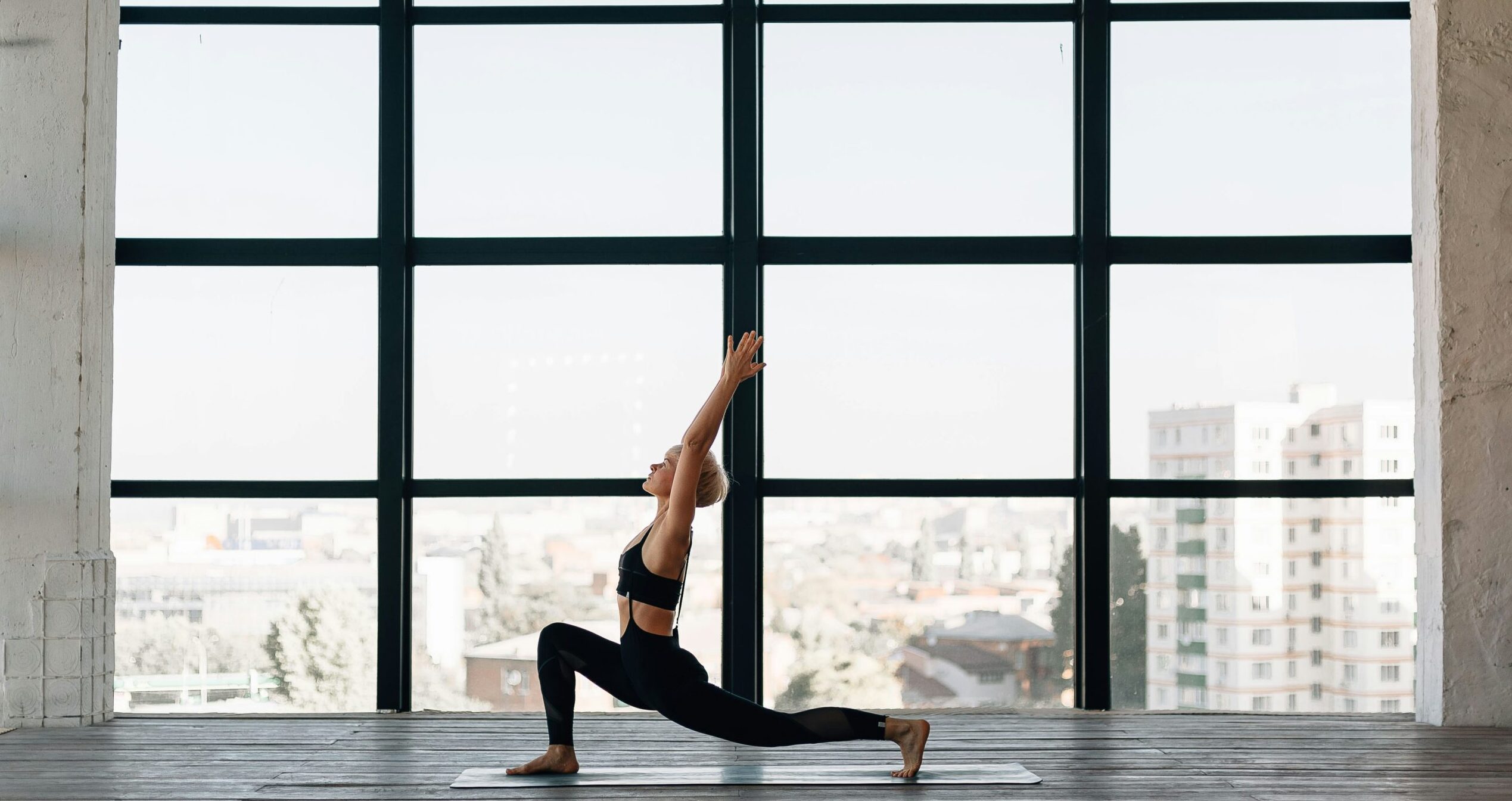
Tai Chi, also known as Tai Chi Chuan or Taijiquan, is a traditional Chinese mind-body practice that combines slow, flowing movements, controlled breathing, postural awareness and mental focus.
Originally developed as a martial art, Tai Chi is now practiced around the world as a form of exercise, relaxation and complementary rehabilitation.
Its gentle movements make it attractive to beginners, older adults and people looking for ways to improve balance without high-impact exercise.
But what are the scientifically proven benefits of Tai Chi? Can it prevent falls, relieve arthritis pain or reduce stress? How often should you practice, and is it better than yoga?
In this updated Tabeebo guide, we explore Tai Chi’s history and major styles, examine clinical research published through 2026, compare Tai Chi with other mind-body practices and explain how to begin safely.
What Is Tai Chi and How Does It Work?
Tai Chi uses coordinated sequences of movement performed with controlled weight shifting, upright posture and attention to breathing.
Unlike many high-intensity workouts, the goal is not to move as quickly as possible.
Instead, practitioners develop awareness of body position, movement control and the transition between postures.
A typical session may include:
- Slow movements of the arms and legs.
- Gradual transfer of body weight between the feet.
- Controlled turning and stepping.
- Gentle knee and hip flexion.
- Relaxed, natural breathing.
- Mental focus on movement and alignment.
These elements challenge balance and motor coordination while encouraging relaxation.
Tai Chi is often described as meditation in motion, although it remains a physical practice rather than simply seated meditation.
The National Institutes of Health (NIH) recognizes Tai Chi as a mind-body practice that may be useful for selected health and rehabilitation goals.
A Brief History of Tai Chi
Tai Chi developed from Chinese martial arts traditions influenced by concepts such as yin and yang, harmony, movement and balance.
Although legends connect its origins with much earlier historical figures, the precise historical development is complex.
UNESCO identifies the recognized Taijiquan tradition with mid-17th-century Wenxian County in Henan Province, China.
In December 2020, UNESCO added Taijiquan to the Representative List of the Intangible Cultural Heritage of Humanity.
Over time, the practice evolved into several traditions and styles. Today it is taught both as a martial art and as a form of exercise for health and wellbeing.
Source: UNESCO — Taijiquan Intangible Cultural Heritage.
Types of Tai Chi: Yang, Chen, Wu and Sun Styles
Several major styles of Tai Chi are practiced worldwide.
| Style | Main characteristics | Suitability considerations |
|---|---|---|
| Yang | Slow, continuous movements and relatively open postures | Frequently used in recreational and beginner classes |
| Chen | Combines slow movements with faster actions, changes of tempo and, in some forms, lower stances | May require greater physical conditioning depending on the class |
| Wu | Smaller movements and distinctive body alignment | May appeal to learners preferring compact movements |
| Sun | Agile stepping and relatively upright postures | Some adapted programs are used for older adults and people with joint concerns |
The best style is not necessarily the most traditional or technically demanding.
For a beginner, the instructor’s ability to adapt the exercises is often more important than the style’s name.
A simplified, medically appropriate program may be preferable for someone with reduced mobility or balance problems.
What Are the Main Health Benefits of Tai Chi?
1. Better Balance and Fall Prevention
Among Tai Chi’s potential health benefits, improving balance in older adults has some of the strongest scientific support.
During Tai Chi, participants repeatedly shift their center of gravity, control their stance and move between different positions.
These movements challenge the systems involved in postural stability and coordination.
What Do Clinical Studies Show?
The NIH’s National Center for Complementary and Integrative Health (NCCIH) summarizes a major 2019 systematic review of exercise for fall prevention.
In that review:
- Seven studies involving 2,655 people suggested that Tai Chi reduced the rate of falls by approximately 19%, although the evidence for this outcome was of low certainty.
- Eight studies involving 2,677 people found that Tai Chi reduced the number of people experiencing at least one fall by approximately 20%, with high-certainty evidence.
These percentages represent relative differences between study groups, not an individual’s guaranteed reduction in risk.
Other forms of balance and functional exercise also reduced falls, so Tai Chi is not the only effective option.
A meta-analysis published in 2026, covering 21 randomized controlled trials, also reported improvements in balance-related outcomes among older adults.
Sources: NCCIH — Tai Chi: What You Need to Know and Dong et al. — 2026 Balance and Fall Prevention Meta-Analysis.
2. Reduced Knee Osteoarthritis Pain
Tai Chi has been investigated as a complementary exercise for people living with knee osteoarthritis, a condition that can cause joint pain, stiffness and difficulty walking.
Its controlled movements may support leg strength, joint mobility, body awareness and confidence in movement.
However, Tai Chi does not reverse cartilage degeneration or cure osteoarthritis.
A New Randomized Trial
The RETREAT trial, published online in JAMA Internal Medicine in October 2025, investigated a 12-week online Tai Chi program in 178 adults with knee osteoarthritis.
At 12 weeks, the researchers reported:
- A greater improvement in knee pain in the Tai Chi group compared with an education-only control.
- A greater improvement in self-reported physical function.
- 73% of the Tai Chi group achieved a clinically important improvement in pain, compared with 47% of the control group.
The program included online exercise instruction and support for participation. Therefore, the findings apply to the structured intervention studied rather than every informal Tai Chi session.
The 2026 VA/DoD clinical guideline also suggests Tai Chi or yoga for knee osteoarthritis, with a weak recommendation reflecting the overall evidence and remaining uncertainty.
Sources: RETREAT Trial — JAMA Internal Medicine and VA/DoD Osteoarthritis Clinical Practice Guideline, 2026.
3. Stress Reduction and Psychological Wellbeing
Tai Chi integrates movement with attention and breathing, which may help some participants feel calmer and more focused.
Research has explored effects on:
- Perceived stress.
- Anxiety symptoms.
- Depressive symptoms.
- Psychological wellbeing.
- Health-related quality of life.
Some studies report improvements, but the certainty of evidence varies according to the population and the outcomes measured.
The US Department of Veterans Affairs’ updated evidence map, published in 2025, reviewed systematic research on Tai Chi and Qigong across 21 adult health conditions.
Several reviews found benefits for outcomes related to mental health, but differences in study quality and interventions limit the strength of conclusions.
Tai Chi may complement mental-health care, but it should not be presented as a substitute for psychotherapy or prescribed treatment of a diagnosed psychiatric condition.
4. Sleep Quality
Some studies suggest Tai Chi may improve subjective sleep quality in certain groups, including people experiencing chronic symptoms or stress.
Possible contributors include relaxation, regular activity and improved daily routines.
However, sleep benefits are not established equally across all populations.
For chronic insomnia, evidence-based treatments such as cognitive behavioral therapy for insomnia (CBT-I) remain important, and Tai Chi should not automatically replace them.
5. Flexibility, Coordination and Mobility
The regular movement of joints during Tai Chi may help maintain or improve functional mobility.
Benefits may include:
- More controlled walking and turning.
- Better awareness of body position.
- Improved coordination.
- Greater confidence in everyday movement.
- Gradual improvements in lower-limb function.
These effects depend on the exercise intensity, frequency, individual capabilities and consistency of practice.
6. Parkinson’s Disease and Neurological Rehabilitation
Some research suggests Tai Chi may improve selected balance and mobility outcomes in people with mild-to-moderate Parkinson’s disease.
The NIH notes evidence suggesting benefits for balance and fall-related outcomes, although confidence in the findings varies.
Tai Chi may be considered alongside standard neurological treatment, physiotherapy and other rehabilitation exercises.
It should not replace Parkinson’s medications or individualized fall-prevention measures.
For patients with neurological conditions, medical and rehabilitation guidance is particularly important before beginning a program.
7. Blood Pressure and Cardiovascular Health
Tai Chi has also been studied among people with hypertension.
Some research suggests that regular practice may contribute to modest reductions in blood pressure, particularly when compared with limited activity or usual care.
The 2025 VA evidence map identified reviews showing comparatively strong support for improvements in hypertension-related outcomes.
However, findings do not mean that Tai Chi can replace blood-pressure medication or that it prevents heart attacks or strokes.
Patients should continue prescribed treatment and use Tai Chi as a potential component of a broader physical activity plan.
8. Bone Health and Osteoporosis
Research has explored whether Tai Chi may help maintain bone health in certain populations, including postmenopausal women.
A VA evidence map found favorable evidence for postmenopausal bone-density outcomes in selected reviews of Tai Chi and Qigong.
These findings should not be interpreted as proof that Tai Chi cures osteoporosis or prevents every fragility fracture.
Tai Chi may be one part of a comprehensive plan that includes appropriate resistance exercise, nutrition, fall prevention and prescribed osteoporosis treatment.
Tai Chi Benefits: How Strong Is the Evidence?
| Health outcome | Current interpretation |
|---|---|
| Balance in older adults | Supported by multiple reviews and trials |
| Fall prevention | Evidence of reduced falls in community-dwelling older adults |
| Knee osteoarthritis pain and function | Supported as a complementary exercise |
| Stress and mood | Promising, with variation in research quality |
| Sleep | Possible benefits in selected populations |
| Parkinson’s-related balance | Promising but requires individualized assessment |
| Hypertension | Potential benefit as an adjunct to standard care |
| Osteoporosis | Some favorable bone-health findings; fracture prevention not guaranteed |
| Weight loss | Not established as a superior standalone weight-loss strategy |
| Cure for chronic diseases | Not demonstrated |
Source overview: Veterans Affairs — Evidence Map of Tai Chi and Qigong, 2014–2024.
Tai Chi vs. Yoga: What Is the Difference?
Tai Chi and yoga are both mind-body practices, but they differ in movement patterns, origins and training methods.
| Feature | Tai Chi | Yoga |
|---|---|---|
| Origin | Chinese martial arts tradition | Indian philosophical and physical traditions |
| Typical movements | Continuous, flowing sequences | Combination of held postures and movement |
| Breathing | Coordinated naturally with movement | May include specific breathing practices |
| Balance training | Repeated stepping and weight shifts | Depends on style and poses |
| Physical intensity | Often low to moderate, depending on style | Ranges from gentle to vigorous |
| Equipment | Usually none | A mat or props may be useful |
| Adaptability | Standing and seated programs available | Chair-based and adapted programs available |
Which Is Better for Balance?
Tai Chi specifically emphasizes coordinated stepping and weight transfer.
Yoga can also improve strength, flexibility and balance, depending on the exercises.
There is no universal winner for every age group or condition. A person’s physical limitations, preferences and the quality of instruction matter.
Which Is Better for Stress?
Both may promote relaxation and mental focus.
Neither has been established as universally superior for psychological wellbeing.
For a broader comparison, read Exploring Yoga: Origins, Practices and Health Benefits on Tabeebo.
Tai Chi vs. Qigong: Are They the Same?
Tai Chi and Qigong share elements of movement, breathing and attention, but they are not identical.
Qigong is a broader family of practices that may include relatively simple repeated exercises, breathing patterns and meditation.
Tai Chi typically uses structured sequences of movements developed from martial arts traditions.
Some simplified health programs combine elements of both.
From a scientific perspective, it is important not to assume that research findings for every Qigong program automatically apply to all styles of Tai Chi.
Learn more about their cultural and medical context in Tabeebo’s guide to Traditional Chinese Medicine.
How to Start Tai Chi: A Beginner’s Guide
You do not need expensive equipment or previous martial arts experience to begin.
However, proper instruction can help beginners develop safe posture and movement technique.
Step 1: Choose an Appropriate Class
Look for beginner-friendly instruction, ideally from a qualified teacher who can adapt exercises for different abilities.
If you have joint disease, a neurological condition or a history of falls, seek a class experienced in working with those needs.
Step 2: Begin With Posture and Breathing
Stand with a comfortable distance between the feet and keep the knees relaxed.
Avoid locking the knees or holding your breath.
Maintain a comfortable upright posture without forcing your spine or joints into unnatural positions.
Step 3: Practice Gentle Weight Shifting
With support nearby, gradually move some body weight from one leg toward the other.
The movement should remain controlled and pain-free.
People with poor balance should perform these exercises with supervision rather than standing unsupported.
Step 4: Learn a Short Form
Many beginner programs teach simplified sequences, such as an eight-form or 24-form routine.
A shorter form may make it easier to concentrate on technique without memorizing too many movements.
Step 5: Build Consistency
Begin with manageable sessions and increase duration as technique and confidence improve.
Regularity is more important than attempting advanced movements immediately.
How Often Should You Practice Tai Chi?
There is no single scientifically established schedule that is ideal for everyone.
Many studies use programs lasting 8–24 weeks, often involving sessions of approximately 30–60 minutes, two or three times per week.
For a healthy beginner, a practical starting approach could be:
| Stage | Example practice schedule | Main objective |
|---|---|---|
| Weeks 1–2 | 10–15 minutes, 2–3 days weekly | Learn posture and comfortable movement |
| Weeks 3–4 | 15–25 minutes, 3 days weekly | Improve coordination and familiarity |
| Weeks 5–8 | 25–40 minutes, 3 days weekly | Practice a simple sequence consistently |
| Weeks 9–12 | 30–45 minutes, 3–4 days weekly, as tolerated | Develop balance and movement confidence |
This is an illustrative beginner routine, not a clinically validated prescription.
Participants in rehabilitation programs may require a different schedule.
For general health, Tai Chi can complement walking, aerobic activity and resistance training rather than replace them all.
Is Tai Chi Safe for Seniors and People With Medical Conditions?
Tai Chi is generally considered a low-impact activity, and serious adverse events have not commonly been reported in clinical research.
However, low impact does not mean zero risk.
Possible problems include transient muscle soreness, joint discomfort, dizziness or loss of balance.
People who may need medical or physiotherapy advice before starting include those with:
- Recent surgery or fractures.
- Uncontrolled cardiovascular symptoms.
- Severe osteoporosis or high fracture risk.
- Significant balance impairment or repeated falls.
- Advanced joint disease.
- Neurological conditions affecting movement.
- Persistent pain or unexplained dizziness.
Can Tai Chi Be Practiced While Sitting?
Yes. Some adapted programs allow participants to perform upper-body movements and breathing exercises from a chair.
Seated Tai Chi can improve accessibility for people who cannot stand safely.
However, seated practice may not provide the same standing-balance challenge as traditional forms, so results should not be assumed to be identical.
For patients needing an individualized movement program, Physical Therapy on Tabeebo provides information about rehabilitation services and related professionals.
Common Tai Chi Mistakes to Avoid
Moving too quickly: Tai Chi is not a speed competition. Rushing movements can reduce control.
Forcing deep knee bends: Low stances are not necessary for beginners and may aggravate some joint problems.
Holding the breath: Breathing should remain comfortable rather than excessively controlled.
Training without support despite poor balance: People at risk of falling should begin with appropriate supervision or stable support.
Expecting immediate results: Improvements usually require consistent practice, and the magnitude of benefits varies.
Replacing medical treatment: Tai Chi may complement medical care, but it does not replace medication, rehabilitation or clinical evaluation when these are necessary.
Tai Chi as Complementary Medicine: What Does That Mean?
Tai Chi is commonly categorized as a mind-body or complementary health practice.
This means it may be used alongside conventional healthcare.
It is not a substitute for a medical diagnosis or a treatment with demonstrated benefits for a serious condition.
For example, someone with knee osteoarthritis may use Tai Chi as part of a plan involving education, exercise, weight management when appropriate, physiotherapy and prescribed treatment.
Tai Chi’s potential contribution should be evaluated according to the person’s health goals and the available scientific evidence.
Frequently Asked Questions About Tai Chi
What is Tai Chi good for?
Tai Chi has evidence supporting benefits for balance, fall prevention and knee osteoarthritis-related symptoms. Other potential benefits include improvements in mood, sleep and selected aspects of mobility, though evidence strength varies.
Is Tai Chi good for people over 60?
It can be an appropriate low-impact activity for many older adults, particularly when exercises are adapted to individual abilities and balance limitations.
Can Tai Chi reduce the risk of falling?
Research suggests it can reduce falls in some community-dwelling older adults. It is not guaranteed to prevent falls and should be combined with other appropriate risk-reduction measures.
Can Tai Chi help with knee arthritis?
Yes. Clinical trials and guidelines support Tai Chi as a complementary exercise for selected people with knee osteoarthritis. It does not reverse joint degeneration.
Is Tai Chi better than walking?
They offer different benefits. Tai Chi emphasizes balance, coordination and controlled movement, while walking is an accessible aerobic activity. Many people benefit from combining them.
Can Tai Chi help with anxiety and stress?
Some studies report improvements in stress and psychological wellbeing, but Tai Chi is not a replacement for professional mental-health treatment when needed.
Does Tai Chi help with weight loss?
Tai Chi involves physical activity, but it has not been established as a superior standalone strategy for significant weight loss.
How long does it take to see results?
Some exercise programs report changes within 8–12 weeks, but the timeline depends on the outcome, practice frequency, baseline health and individual response.
Is Tai Chi difficult for beginners?
Basic movements can be accessible, while mastering longer forms requires time and coordination. A simplified beginner class is often an appropriate starting point.
Can I learn Tai Chi at home?
Yes, basic instruction may be accessible online. However, people with significant pain, poor balance or medical limitations benefit from supervised guidance.
Is Tai Chi a type of meditation?
Tai Chi incorporates attention and meditative awareness, but it also involves coordinated physical movement.
Can Tai Chi replace physiotherapy?
Not generally. It may be included in rehabilitation, but individualized physiotherapy remains important when managing injury, neurological impairment or specific functional problems.
Conclusion: Is Tai Chi Worth Trying?
Tai Chi offers an accessible combination of movement, concentration and controlled breathing.
Among its potential benefits, improved balance and reduced falls in older adults are particularly well supported. Research also suggests that it can help some people manage knee osteoarthritis symptoms and improve certain aspects of wellbeing.
However, it is important to distinguish realistic benefits from unsupported promises. Tai Chi cannot be described as a cure for chronic diseases or as a universal substitute for medical treatment.
For beginners, the best approach is to choose suitable instruction, begin with manageable movements and practice consistently.
Through Tabeebo, you can explore information about rehabilitation services and healthcare professionals if you need advice about adapting physical activity to a medical condition.
Medical and Scientific References
- NIH/NCCIH — Tai Chi: What You Need to Know.
- UNESCO — Taijiquan, Intangible Cultural Heritage, 2020.
- Dong et al. — Effects of Tai Chi on Balance and Fall Prevention, 2026.
- Zhu et al. — RETREAT Randomized Clinical Trial, JAMA Internal Medicine, 2025/2026.
- VA/DoD — Non-Surgical Management of Hip and Knee Osteoarthritis, 2026.
- US Department of Veterans Affairs — Evidence Map of Tai Chi and Qigong, 2014–2024.
- NCCIH — Five Tips About Tai Chi for Health.
- Cheng et al. — Exercise Modalities and Fall Prevention in Older Adults, 2026.
Medical disclaimer: This article is for educational purposes and does not replace individualized medical advice. Consult a qualified healthcare professional when adapting exercise to a medical condition, recent injury or significant mobility limitation.