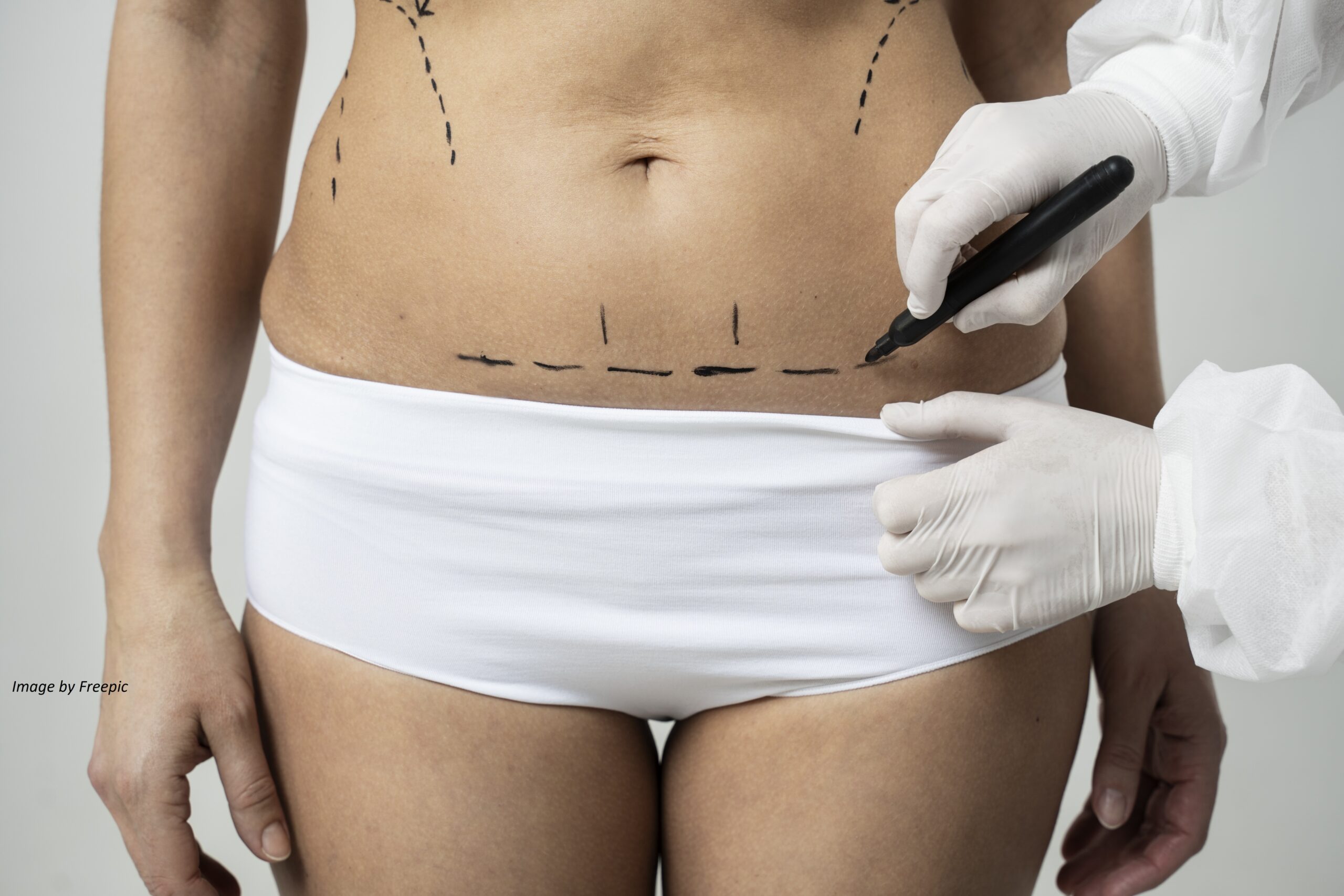
Gynecological health and female genital cosmetic surgery are closely related subjects, but they are not the same. Gynecological healthcare involves diagnosing and treating conditions affecting reproductive and pelvic health. Cosmetic procedures generally aim to change the appearance of genital tissues, although some operations may address diagnosed injuries or functional problems.
Procedures such as labiaplasty, vaginoplasty and perineorrhaphy have different purposes, risks and recovery requirements. Meanwhile, treatments marketed as vaginal rejuvenation do not necessarily have strong scientific evidence supporting their advertised benefits.
This comprehensive FAQ explains 20 common questions, supported by clinical guidance and research available through November 2026.
Comparison of Common Gynecological and Genital Cosmetic Procedures
| Procedure | Main purpose | Important consideration |
|---|---|---|
| Labiaplasty | Reshape or reduce labial tissue | Can cause scarring or altered sensation |
| Vaginoplasty | Reconstruct or surgically modify vaginal tissues | Indications and techniques vary |
| Perineorrhaphy | Repair tissue between the vaginal opening and anus | May address childbirth-related injuries |
| Clitoral hood reduction | Remove selected tissue from the clitoral hood | Sensory and nerve-related risks |
| Pelvic-floor physiotherapy | Improve pelvic-floor function | Nonsurgical treatment for selected symptoms |
| Vaginal laser or radiofrequency | Marketed for tightening and rejuvenation | Clinical benefits remain uncertain |
| Vaginal moisturizers or estrogen | Treat selected dryness and menopause-related symptoms | Requires assessment of the underlying cause |
1. What Are the Most Common Gynecological Health Problems?
Women may experience menstrual irregularities, painful periods, endometriosis, uterine fibroids, ovarian cysts, vaginal infections, pelvic pain and urinary incontinence.
Symptoms such as abnormal bleeding, persistent pelvic pain, unusual discharge or discomfort during intercourse deserve appropriate evaluation.
These conditions should not automatically be treated through cosmetic surgery. A gynecologist can identify the underlying problem and recommend medical, rehabilitative or surgical options when indicated.
Explore obstetrics and gynecology specialists on Tabeebo.
2. What Is Female Genital Cosmetic Surgery?
Female genital cosmetic surgery refers to elective procedures intended to alter the appearance of the vulva or vaginal region.
Examples include labiaplasty, clitoral hood reduction, labia majora augmentation and certain types of vaginal surgery.
It is important to distinguish cosmetic treatment from reconstructive surgery undertaken after childbirth injuries, trauma or for a diagnosed functional condition.
The American College of Obstetricians and Gynecologists (ACOG) emphasizes that normal genital anatomy varies widely in size, color and symmetry. Such variation does not necessarily require treatment.
3. What Is Labiaplasty, and Who Might Consider It?
Labiaplasty is surgery that reshapes or reduces labial tissue, most commonly the labia minora.
Some patients seek evaluation because of persistent rubbing, discomfort during exercise or difficulties with clothing. Others have appearance-related preferences.
However, prominent or asymmetrical labia are often normal anatomical variations rather than medical abnormalities.
What Does the Research Show?
A 2024 systematic review identified 86 eligible studies, with 53 contributing quantitative results.
The pooled patient satisfaction estimate after labiaplasty was 94% (95% confidence interval: 93–95%).
This represents reported satisfaction among studied patients, not a guaranteed 94% surgical success rate. Study design, patient selection and follow-up limitations affect interpretation.
Read Tabeebo’s labiaplasty treatment guide.
4. What Is Vaginoplasty, and Does It Improve Vaginal Tightness?
Vaginoplasty describes surgical procedures that reconstruct or modify vaginal tissues. The specific operation may be designed to address congenital differences, injury or selected anatomical concerns.
Some elective procedures are promoted for vaginal tightening after childbirth or aging.
However, perceived vaginal laxity may relate to pelvic-floor muscle function, prolapse, tissue changes or other conditions.
Surgery is not automatically the best treatment, and improved sexual satisfaction cannot be guaranteed.
A specialist should first establish the underlying diagnosis and discuss nonsurgical approaches where appropriate.
Learn more in the vaginoplasty guide.
5. What Is Perineorrhaphy, and How Is It Different from Vaginoplasty?
Perineorrhaphy reconstructs or repairs the perineum, the area between the vaginal opening and anus.
It may be performed after childbirth-related tears, episiotomy injuries or other tissue damage.
Unlike vaginoplasty, which may involve structures within the vaginal canal, perineorrhaphy specifically addresses perineal tissues.
These procedures may occasionally be combined, but each requires its own medical justification and assessment.
Explore perineorrhaphy.
6. Are Laser, Radiofrequency and PRP Vaginal Rejuvenation Treatments Effective?
Treatments marketed as nonsurgical vaginal rejuvenation include laser devices, radiofrequency systems and platelet-rich plasma (PRP) injections.
Some providers claim these treatments improve tightness, lubrication, sexual function or urinary symptoms.
However, advertising claims are not equivalent to demonstrated clinical benefits.
A 2026 systematic review of 36 studies involving 1,709 participants evaluated fractional CO₂ laser treatments for genitourinary symptoms of menopause.
Some short-term outcomes appeared favorable, but improvements were smaller in sham-controlled comparisons, and evidence about long-term effectiveness remained limited.
The 2025 AUA/SUFU/AUGS guideline does not support routine energy-based treatments for menopause-related genitourinary symptoms outside clinical research.
Potential risks include burns, scarring, pain and tissue injury.
7. What Should I Consider Before a Genital Cosmetic Procedure?
Before choosing surgery, patients should discuss:
- Whether the concern is cosmetic, functional or caused by an underlying medical condition.
- Whether the anatomy falls within normal variation.
- The benefits supported by research and the limits of the evidence.
- Possible complications and the risk of revision surgery.
- Recovery time, total cost and postoperative care.
- Their own preferences without pressure from partners or social expectations.
An individualized consultation is especially important when the main concern involves sexual function or body image.
8. What Are the Risks of Genital Cosmetic Surgery?
Possible complications include bleeding, infection, wound separation, scarring, tissue adhesions, asymmetry, persistent discomfort and altered genital sensation.
Some patients may experience painful intercourse or require additional treatment.
The risk varies with the type and extent of surgery, general health, healing and surgical technique.
Even experienced surgeons cannot eliminate every complication.
9. How Long Does Recovery Take After Labiaplasty, Vaginoplasty or Perineorrhaphy?
Recovery depends on the procedure and individual circumstances.
| Procedure | General recovery considerations |
|---|---|
| Labiaplasty | Up to two weeks away from work; tissue healing may continue for months |
| Perineorrhaphy | Several weeks of activity restrictions; longer for extensive repairs |
| Vaginoplasty | Recovery depends on the exact reconstruction and surgical extent |
| Clitoral hood reduction | Requires careful healing and sensory monitoring |
According to the UK National Health Service, patients undergoing labiaplasty should generally avoid sexual activity for at least four weeks and strenuous exercise for approximately four to six weeks.
These timelines are not universal medical clearance.
10. Can Genital Cosmetic Surgery Affect Sexual Function?
Yes, but changes can be positive, neutral or negative.
A 2026 systematic review of 11 studies reported moderate improvements in some sexual-function scores after female genital cosmetic surgery, primarily labiaplasty.
However, most studies were observational and lacked untreated control groups. Consequently, they cannot establish that surgery directly caused the improvements.
Potential harms include persistent pain or altered sensitivity.
Surgery should not be advertised as a guaranteed way to improve sexual pleasure.

11. Is a Brazilian Butt Lift (BBL) the Same as Genital Cosmetic Surgery?
No. This question appears in the original article, but Brazilian butt lift and buttock implants are body-contouring procedures, not gynecological treatments.
A BBL generally involves transferring fat into the buttocks, whereas buttock augmentation with implants uses prosthetic devices.
These procedures have different anatomical targets and risks and should be evaluated separately from labiaplasty, vaginoplasty and other genital operations.
12. Are There Nonsurgical Options for Vaginal Laxity After Childbirth?
Yes, depending on the cause.
For pelvic-floor weakness, urinary leakage or selected postpartum symptoms, supervised pelvic-floor muscle training may be appropriate.
The NICE guideline on pelvic-floor dysfunction recommends supervised training for at least three months as a first-line treatment for stress or mixed urinary incontinence.
A pelvic-floor assessment can also identify situations where muscle relaxation, rather than further strengthening, is necessary.
Laser and radiofrequency procedures should not automatically be treated as substitutes for evidence-based rehabilitation.
13. Who Is a Suitable Candidate for Genital Cosmetic Surgery?
Appropriate candidates are adults who have received an individualized assessment, understand the limits of available evidence and can make an informed decision.
A surgeon should evaluate medical history, current symptoms, expectations, possible body-image concerns and the availability of safer alternatives.
The November 2026 clinical guideline on elective labiaplasty examined 20 eligible studies and emphasized patient selection, counseling and informed consent.
There is no single genital appearance that requires surgical correction.
14. Can Labiaplasty or Clitoral Hood Reduction Improve Sexual Satisfaction?
Some patients report greater comfort or improved body confidence after surgery, particularly when pre-existing discomfort is addressed.
Nevertheless, removing tissue does not guarantee increased sensitivity or sexual satisfaction.
Clitoral hood reduction involves a nerve-sensitive area and can alter sensation. The possibility of pain, scarring and sensory changes must be clearly explained.
Sexual health concerns may also involve hormones, pelvic-floor function, relationships, psychological factors or underlying medical conditions.
15. What Should I Expect During Postoperative Care?
After surgery, follow the treating surgeon’s instructions for cleansing, pain control, clothing, wound inspection and physical activity.
Swelling, bruising and discomfort may be expected initially. However, severe bleeding, fever, worsening pain, foul-smelling discharge or wound separation require prompt medical attention.
Avoid sexual activity, intense exercise and other restricted activities until medically cleared.
Postoperative follow-up should be included in the treatment plan.
16. Is Permanent Loss of Genital Sensation Possible?
Yes. Changes in sensation can be temporary or persistent.
The genital region contains sensitive nerves, and surgery involving the labia or clitoral hood can affect them.
The available studies do not establish a reliable, universal probability of permanent sensory loss for every procedure.
Patients should discuss the anatomical structures involved and how the surgeon plans to minimize sensory injury.
17. What If My Main Concern Is Vaginal Dryness or Pain During Intercourse?
Dryness and discomfort can arise from menopause-related hormonal changes, dermatological conditions, infections, pelvic-floor dysfunction or other causes.
The 2025 AUA/SUFU/AUGS guideline supports treatments for genitourinary syndrome of menopause, including vaginal moisturizers and low-dose vaginal estrogen in appropriate patients.
Other prescription options may be considered depending on the clinical situation.
Cosmetic surgery should not be the default treatment for vaginal dryness or painful intercourse.
18. What Are the Latest Advances in Cosmetic Gynecology?
Recent work increasingly emphasizes standardized assessment and measurable patient-reported outcomes rather than the introduction of new cosmetic devices alone.
Key developments include:
- The 2026 labiaplasty guideline, evaluating 20 eligible studies.
- Research into changes in sexual function and genital self-image.
- Sham-controlled evaluations of vaginal lasers.
- Greater attention to patient counseling, anatomical variation and long-term safety.
Stem-cell injections, PRP and other regenerative treatments marketed for vaginal rejuvenation remain inadequately established for many proposed uses.
19. How Much Does Genital Cosmetic Surgery Cost, and Does Insurance Cover It?
Prices vary by country, procedure, surgical complexity, anesthesia, facility and postoperative care.
As a published reference, the UK NHS patient information cites approximately £4,000 for labiaplasty in the UK. This is a general informational estimate, not a confirmed November 2026 clinic quotation.
Insurance often excludes procedures performed solely for appearance. Some medically necessary reconstructive operations may be eligible for coverage, depending on the insurer and local rules.
Request a written quotation that separately identifies surgical fees, anesthesia, facility charges, medication and follow-up.
20. How Can I Choose a Qualified Gynecological or Reconstructive Surgeon?
Verify that the physician has the appropriate recognized specialty, a current professional license and experience with the specific procedure.
Ask about surgical methods, complications, realistic outcomes, postoperative support and how revisions are handled.
Be cautious about guarantees of increased sexual pleasure, permanent rejuvenation or risk-free treatment.
A second medical opinion may help when the indication is uncertain.
Compare Women’s Health Specialists on Tabeebo
Tabeebo helps patients discover and compare healthcare providers.
Start with the obstetrics and gynecology specialist directory or explore aesthetic genital plastic surgery.
Relevant treatment guides include labiaplasty, vaginoplasty and perineorrhaphy.
Before arranging any elective procedure, confirm the provider’s qualifications, clinical indications, risks and follow-up arrangements.
Medical References
- ACOG — Elective Female Genital Cosmetic Surgery
- Géczi et al., 2024 — Labiaplasty Systematic Review
- Doğan et al., 2026 — Evidence-Based Labiaplasty Guideline
- Sexual Function After Genital Cosmetic Surgery — 2026 Review
- Fractional CO₂ Laser — 2026 Systematic Review
- AUA/SUFU/AUGS — 2025 Genitourinary Syndrome of Menopause Guideline
- NICE — Pelvic-Floor Dysfunction Recommendations
- NHS — Labiaplasty, Risks and Recovery
Medical information reviewed against published guidance available through November 2026. This article is educational and does not replace individualized medical assessment.